
THE APEX TIMES
Luis Robert Jr. homer keeps pace, standing out as Mets trade-deadline reshuffle exception
With Atlanta featuring prominently in the aftermath of the Trade Deadline, Robert’s continued pop has given the season a fresh reminder that even after roster churn, one player’s form can remain a steady point of interest.
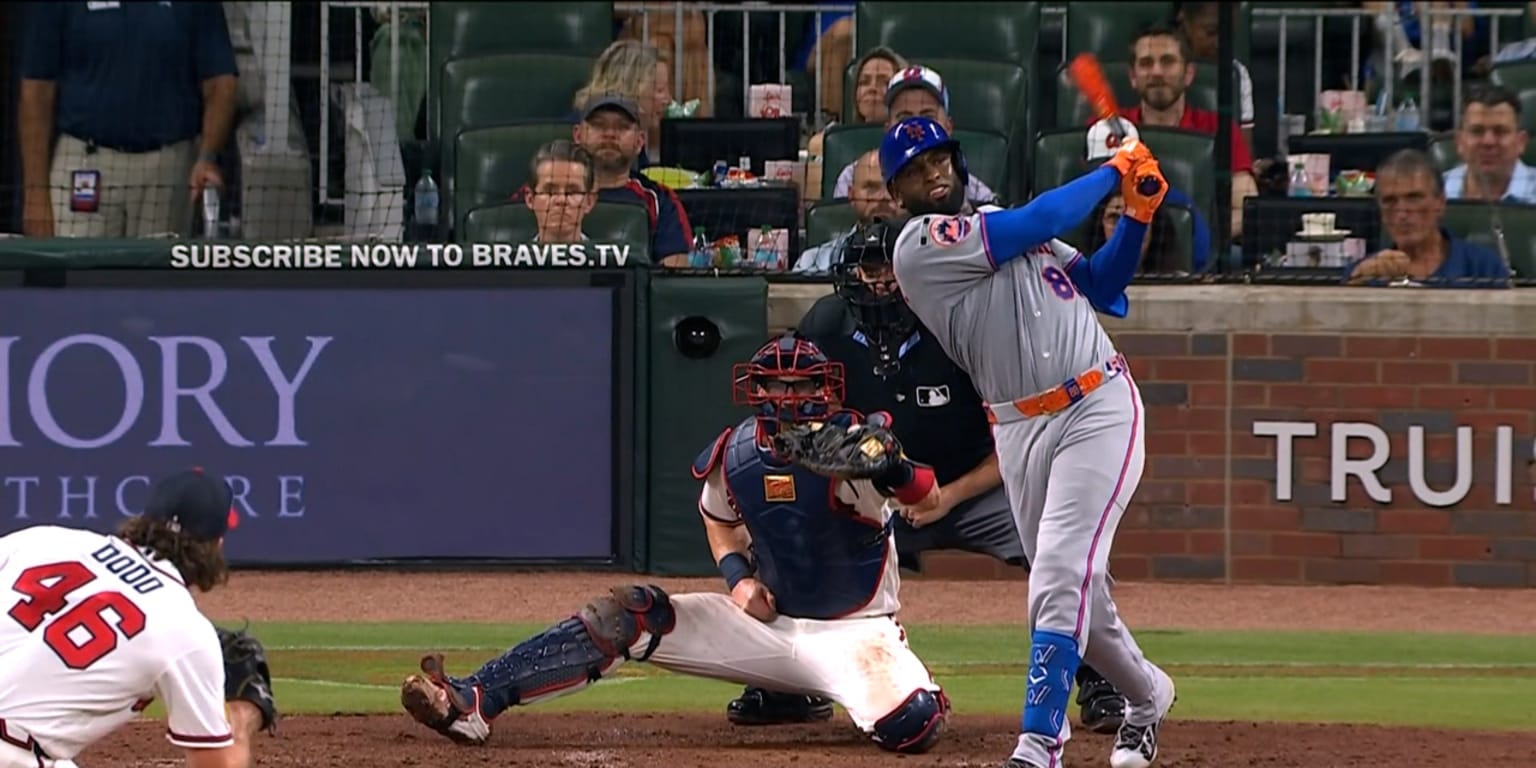
Luis Robert Jr. added to a current stretch of power by going deep again, keeping his hot run moving with what MLB’s game coverage described as his second home run in six games. The moment landed in the middle of a larger story unfolding across the National League, where Trade Deadline movement reshaped expectations around several veteran bats.
The backdrop to Robert’s latest homer was the way the Mets’ roster outlook changed once the Trade Deadline concluded. According to MLB’s report, the “dust” of the deadline left nearly every prominent Mets player who was viewed as likely to be a free agent this offseason with a new organization, creating the kind of offseason uncertainty that can be hard to separate from immediate on-field impact.
In that reshuffle, Robert was presented as the notable exception, described as the lone holdover. That framing matters because it positions him as one of the few familiar figures amid a landscape where teams often turn over the majority of their near-term tradeable or expiring assets. For fans, it also explains why a single homer can feel louder when the larger roster narrative has been so volatile.
The report’s emphasis on Robert continuing to deliver shows how a player can still influence the present even when club-building conversations are dominated by what happens in September and October. A steady run of extra-base hits can shift how a lineup is managed game-to-game, especially when teams are juggling pitching matchups and late-season health considerations.
Robert’s current form, as characterized by MLB, is specifically tied to the frequency of his power: two home runs over a six-game span. That type of production can be valuable in tight stretches, because it compresses the margin for error. Even without discussing the broader statistical profile beyond the homer count, the simple fact of repeated long balls underscores that he is not just getting on base, but turning at-bats into damage.
For Atlanta and for Robert himself, the immediate question becomes whether this surge holds as opposing scouting adjustments catch up. Power hitters often draw quicker attention after a small cluster of big swings pays off, and MLB’s coverage suggests he has earned that attention through recent results.
As the regular season moves deeper into its final phase, what to watch next is continuity: whether Robert can keep the same baseline of home-run threat beyond the six-game window, and whether the team’s lineup alignment continues to feature him in key plate-appearance moments amid an otherwise deadline-altered roster landscape.
Why It Matters
- Trade Deadline seasons often produce an offseason story first and an on-field story second, but Robert’s current power run keeps the present in focus.
- When a club’s longer-term roster outlook changes quickly, individual form can become a more reliable indicator of who still carries weight in the lineup.
- A repeatable home-run stretch can affect how opposing pitchers sequence at-bats and how teams protect scoring opportunities later in games.
- Robert’s status as the exception among deadline-reorganized Mets-linked narratives highlights how unusual situations can stay meaningful even after widespread turnover.
Key Facts
- Luis Robert Jr. hit a home run that extended his hot stretch.
- MLB’s coverage described it as his second home run in six games.
- MLB reported that, after the Trade Deadline, most prominent Mets players expected to be free agents this offseason joined new teams.
- Robert was identified as the lone holdover in that Mets-to-offseason narrative.
- The homer and the deadline context were tied together in MLB’s Atlanta-focused matchup coverage.