
THE APEX TIMES
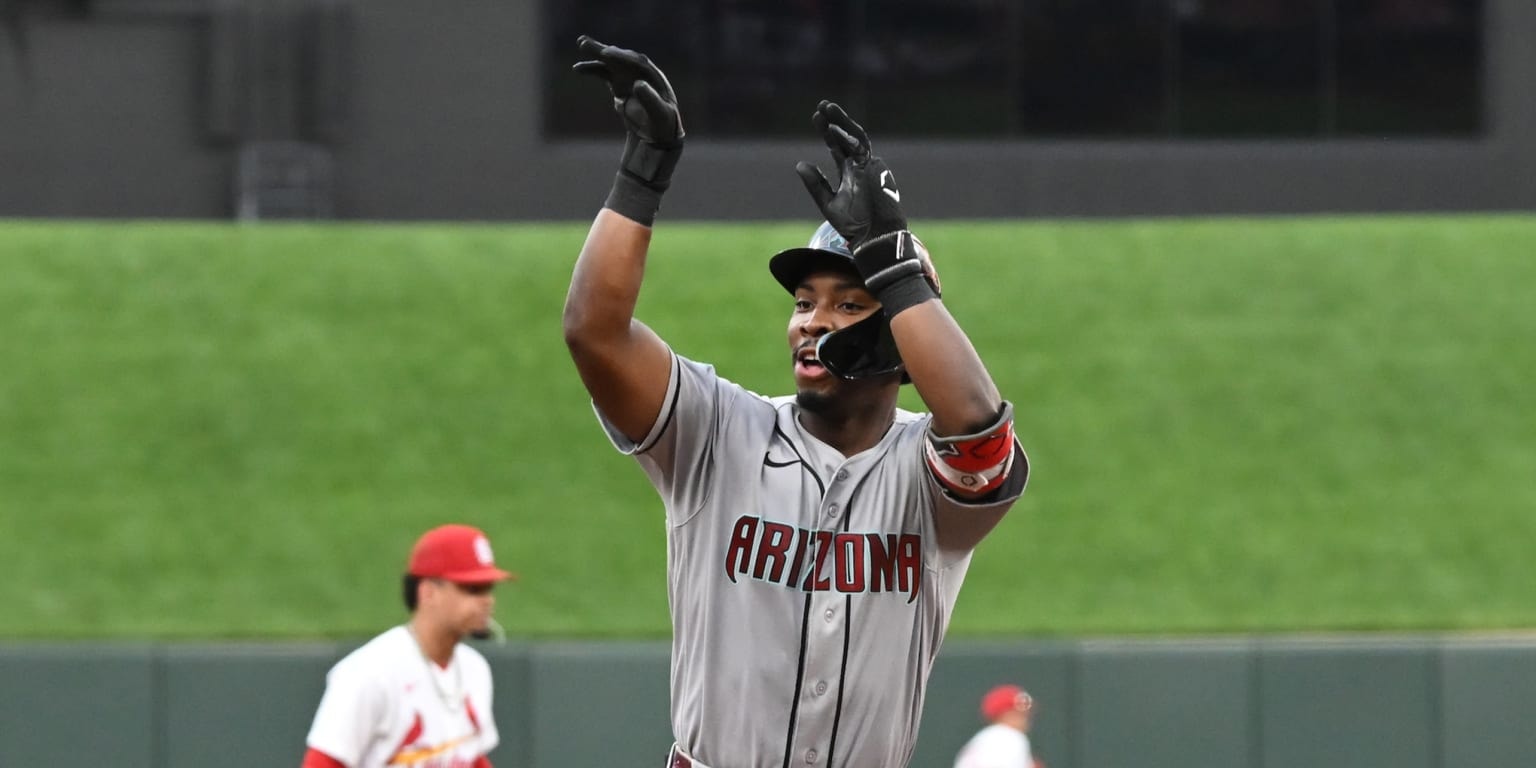
LuJames Groover delivers first career homer as Diamondbacks spark offense at Busch Stadium
Torey Lovullo pointed to the need for a clearer offensive identity. A rookie’s first blast helped the D-backs find traction in St. Louis.
The Diamondbacks arrived at Busch Stadium acknowledging what has been missing at times on offense, then watched a rookie provide an immediate spark. In Wednesday night’s matchup in St. Louis, LuJames Groover delivered his first career home run, a moment that helped the Arizona lineup create separation from an opponent that had been holding the D-backs at bay.
Manager Torey Lovullo framed the issue the way teams often do when production is inconsistent. Prior to the game, he said the club was “struggling offensively,” adding that Arizona was working to change it by building awareness of what its identity is at the plate. The emphasis, as he described it, was simple: get more runners on base, make sure “the right people are up,” and then turn that opportunity into extra bases, including “crooked numbers.”
Groover’s homer landed right in the middle of that message. A first career blast does more than pad a scoreline, especially when it comes from a rookie who has to establish credibility in tight, high-leverage moments. It also gives an offense a reference point it can build on, particularly when the conversation has been about approach rather than only outcomes.
The D-backs’ approach in games like this typically carries a clear theme. When a team manages to reach base with regularity, it can pressure the defense and force pitching decisions that favor the hitter when a key spot arrives in the order. Lovullo’s comments suggested that the organization is focused on aligning its in-game sequencing with its broader philosophy, rather than treating each at-bat in isolation.
Arizona’s offensive struggles have left managers searching for answers that work repeatedly. Groover’s homer served as a single, concrete example of the kind of impact that can swing momentum. For a club trying to tighten its run production, moments like these can help the lineup settle into a more confident rhythm: earlier baserunners, more pitches committed to hittable locations, and fewer at-bats that end with empty contact.
Still, one home run does not rewrite a season. What comes next matters just as much. The question for the Diamondbacks is whether the offensive plan Lovullo described leads to continued traffic on the bases and consistent quality at-bats after the first spark fades. If Groover can follow this start with sustained contributions, it could reinforce the team’s ability to distribute production beyond just one or two established bats.
For the rest of this stretch, watch how Arizona responds to the balance between patience and aggression, particularly with runners on. Also watch how the lineup manager uses the “right people up” concept as the order shifts through subsequent innings and games, because a first-career homer is most valuable when it’s treated as the beginning of a trend rather than a one-off headline.
Why It Matters
- A rookie’s first homer can change how an offense approaches the rest of a game, especially when the team has been dealing with inconsistencies.
- Lovullo’s comments point to a process-driven identity shift. Groover’s homer tests whether that process can translate into run production.
- If the D-backs can pair baserunners with key-spot hitting, it raises their reliability in future matchups rather than relying on isolated innings.
Key Facts
- LuJames Groover hit his first career home run during a Diamondbacks game at Busch Stadium in St. Louis.
- Diamondbacks manager Torey Lovullo said before the game that the team was “struggling offensively.”
- Lovullo described the focus as creating awareness of the team’s offensive identity, including getting runners on base and having the right hitters coming up.
- Lovullo said the goal is to turn those opportunities into extra-base damage and “crooked numbers.”
- The matchup took place on Wednesday night in St. Louis.