
THE APEX TIMES
Luke Fickell points to cultural shift as Wisconsin seeks a stronger fit with its “Wisconsin” identity
The Badgers’ head coach says the program has grown in embracing state pride and the program’s traditional approach, an acknowledgment aimed at answering long-running questions about tone and identity during his early tenure.
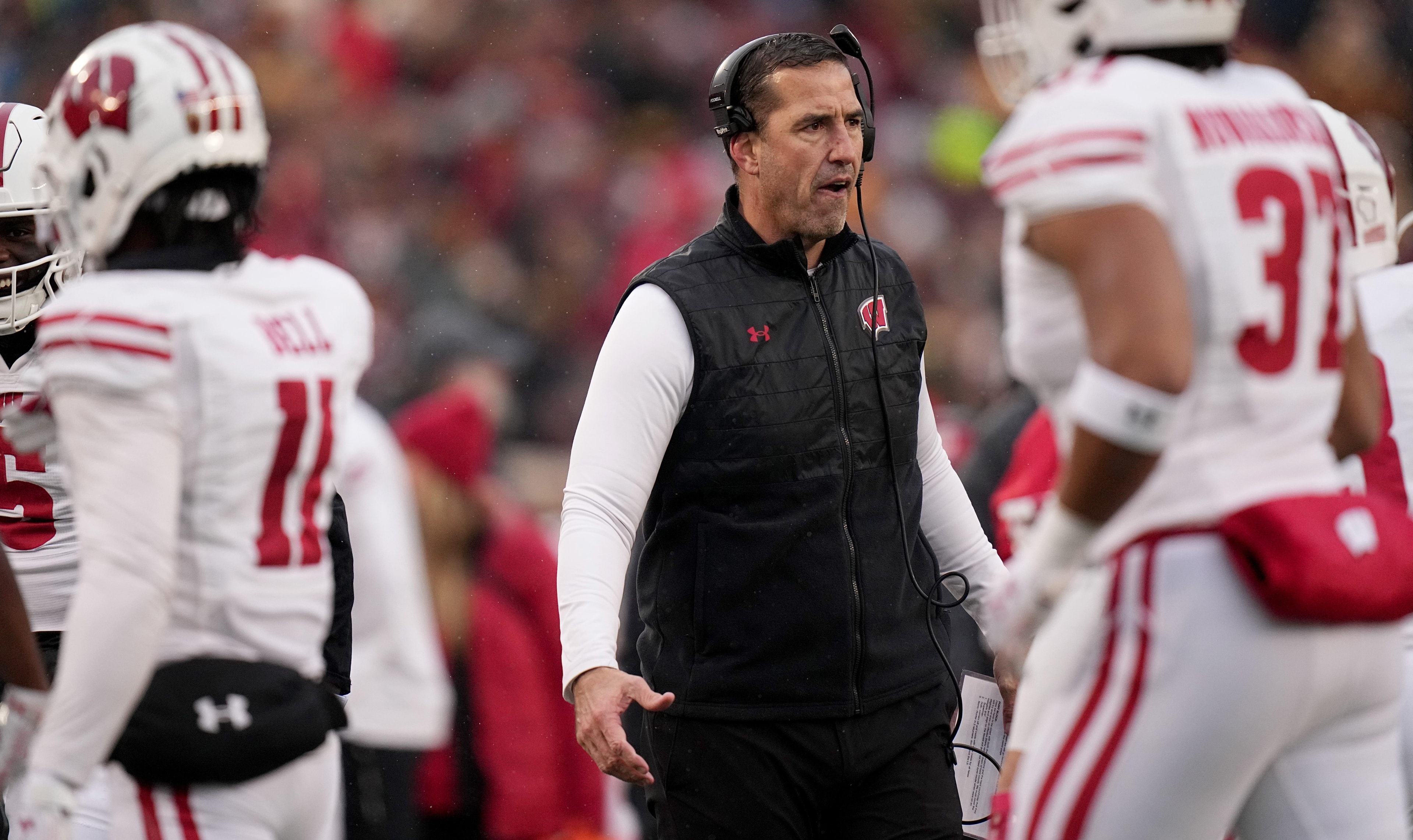
Luke Fickell says he has seen the criticisms directed at his Wisconsin start, and he is leaning into a broader message now as the Badgers continue building under his leadership. In comments highlighted by Yahoo Sports, Fickell acknowledged the program’s need to align more tightly with Wisconsin roots, saying, “We’ve done a hell of a lot better.”
For much of the early portion of Fickell’s tenure, the public debate around Wisconsin often centered less on talent and more on fit. The refrain, as described in the reporting, was that the coach’s approach had not fully embodied the “Wisconsin” way that fans and program history have come to expect. That theme matters in college football because the identity of a program is not just branding. It shapes everything from recruiting messaging and development priorities to how teams respond when games become uncomfortable.
Fickell’s acknowledgment indicates a deliberate effort to address that gap in expectations. Rather than treating the program’s early struggles as purely schematic or personnel-related, the framing points to culture and comfort, what a team believes it is supposed to be on Saturdays, and how it communicates that belief to players who are weighing a future in Madison. In that sense, his comments read as a coaching philosophy reset, aimed at ensuring that Wisconsin football looks and feels like Wisconsin football.
The Big Ten setting adds another layer. The conference’s style has historically rewarded teams that are prepared, physical, and consistent week to week. When a program’s identity gets questioned, it can become a recruiting headwind, because prospects and families often want clarity on what they will join. A coach’s willingness to publicly address that concern can also influence internal buy-in, since team leaders tend to mirror how the head coach defines success beyond the scoreboard.
It is also worth noting that acknowledging growth does not, by itself, resolve the underlying problems that prompted the criticism. College football supporters tend to measure culture changes by outcomes, particularly on the field and late in games. Even so, Fickell’s message suggests the program is trying to do more than chase improvement through tactics. It is trying to align the day-to-day work to the expectations that have defined Wisconsin for decades, including discipline, toughness, and a distinctive football temperament.
As the Badgers move through the season, what to watch is whether the identity Fickell is emphasizing shows up in repeatable habits. That includes how the team handles adversity, how it plays in close moments, and how it sustains performance across a full calendar of preparation. If the cultural adjustment described in the reporting translates into steadier play, it would reframe the early-tenure questions as part of a transition period that was necessary for the program to land on a more stable foundation.
Why It Matters
- Program identity affects recruiting and development, not just game-day strategy.
- In the Big Ten, consistent execution and a clear football temperament can be decisive over a long season.
- Publicly addressing fit and culture can strengthen internal buy-in as the program closes the gap between expectations and performance.
Key Facts
- Wisconsin head coach Luke Fickell acknowledged criticism about whether he had embraced the program’s “Wisconsin” identity during his early years.
- The highlighted quote from Fickell says, “We’ve done a hell of a lot better.”
- The reporting frames the discussion as a cultural shift, not just tactical adjustments, aimed at aligning the team with Wisconsin roots.
- The comments come as the Badgers continue building under Fickell in the Big Ten.