
THE APEX TIMES
Manaea takes a long-ball hit in the 6th as Mets continue their Chicago tune-up
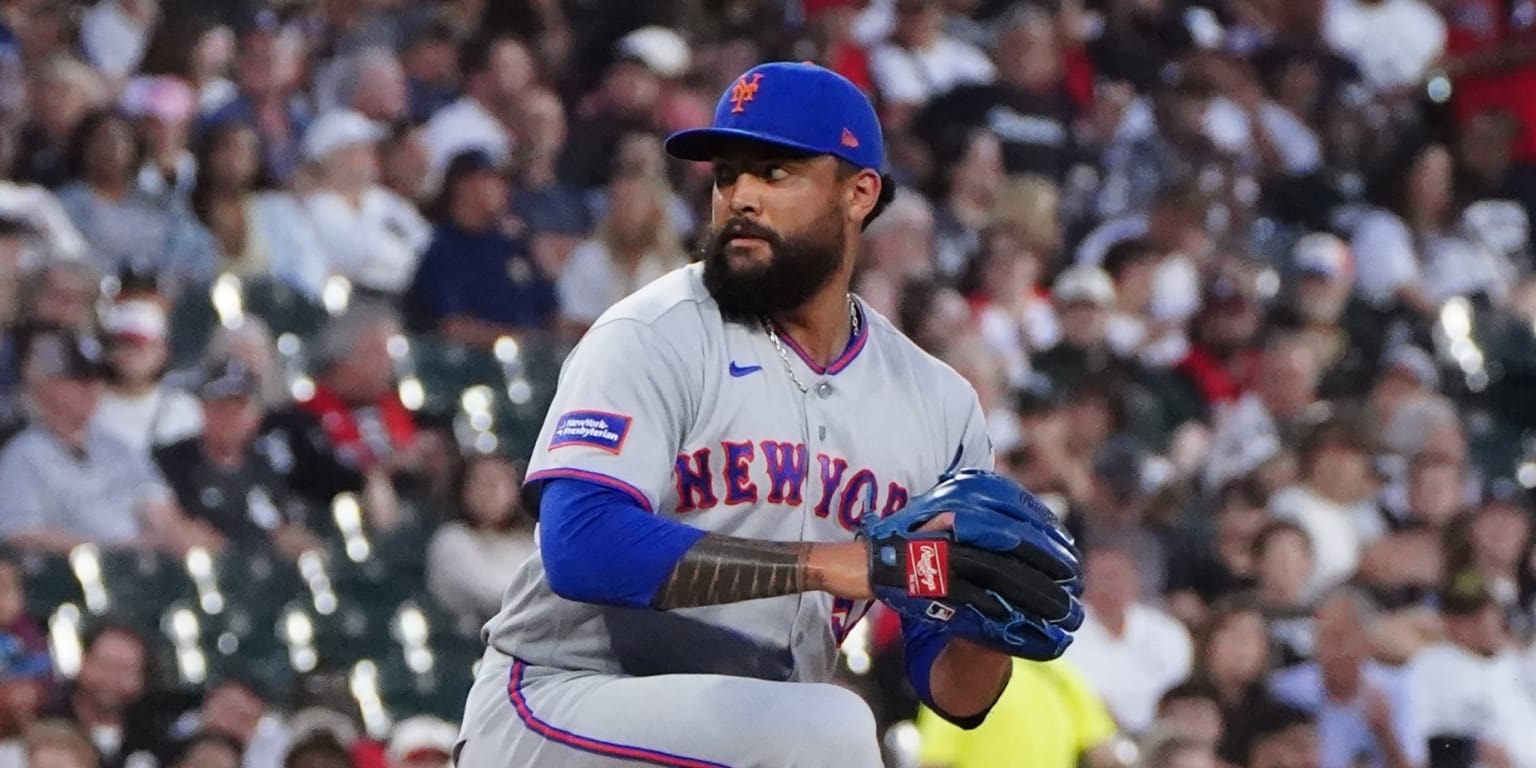
Sean Manaea and Jefry Yan both surrendered home runs in separate innings, a reminder that the final days of spring give pitchers only limited windows to sharpen command.
Sean Manaea’s spring continued to run into the same evaluation question he addressed earlier in camp, how effective a Major League starter can be if the mid-90s fastball velocity he once relied on never fully reappears. In the Mets’ matchup in Chicago, the left-hander was stung by a long home run in the sixth inning, the kind of mistake that can carry extra weight late in March when pitchers are trying to lock in shape, sequencing, and location against live swings.
The Mets also saw the same theme resurface after Manaea’s outing shifted away from the early innings. Jefry Yan, working later, surrendered a home run of his own in the ninth. For a team building toward Opening Day, those late-inning runs can feel small in the standings, but they matter in the individual process. They are tangible reminders that even when a pitcher makes a good pitch earlier, the margin for error tightens as hitters time their approaches to what the pitchers are throwing and how they are repeating their deliveries.
Manaea’s spring narrative has centered on his insistence that effectiveness does not hinge on one number alone. He has previously pointed to the ability to generate results with command, movement, and pitch credibility, even if raw velocity changes. That message faces a practical test every time he is on the mound, because hitters in spring training, especially in a setting like Chicago, are not just reacting. They are looking for patterns, and they are rewarded quickly when a fastball stays too straight or hangs long enough for the swing to connect.
The home runs in the sixth and ninth also offer a window into what the Mets likely want to see before camp ends. In these games, managers and coaches look for repeatable mechanics under stress, clean work through the middle innings, and a clear path to the next matchup. A long ball can happen for many reasons, including sequencing and batter quality, but it typically leaves a clearer track than a single line drive that falls into an outfielder’s range. The Mets will take note of when the ball was hit, what pitch was involved, and whether the pitch was a miss that could be corrected or a miss that revealed a deeper issue.
Yan’s ninth-inning home run becomes another data point in that same picture. Late relief appearances in spring are often about feel and execution rather than endurance. Pitchers trying to earn roles are expected to show that they can manage hitters with two strikes, that they can throw with conviction at the top of the strike zone, and that they can get swings that match the plan rather than the batter’s adjustment. A home run in that frame suggests either a pitch did not finish where it needed to, or that the hitter’s timing caught up to a location Yan used too often or too predictably.
As spring approaches its end, the Mets’ focus will shift from experimentation to consistency. The club’s pitching decisions will increasingly depend on how pitchers perform when the game is less forgiving and the at-bats are more specific. Manaea and Yan will both carry these two instances into the closing days, with the broader takeaway that command, pitch shape, and inning-to-inning intent remain the core of starting and late-inning effectiveness. The next step to watch is whether either pitcher can turn those long-ball moments into quick corrections, tightening release and improving the quality of contact allowed moving forward.
Why It Matters
- Late-spring home runs matter because they reveal how pitchers handle live timing and execution when the margin narrows.
- For Manaea, the long-ball outcome is a direct test of his “effectiveness without peak velocity” argument under Major League caliber swings.
- For Yan, the ninth inning is a high-leverage audition window, where teams look for command and pitch credibility even in shorter outings.
Key Facts
- Sean Manaea surrendered a long home run in the sixth inning in a Mets game played in Chicago.
- Jefry Yan surrendered a home run in the ninth inning.
- The matchup was framed by spring training context, with the end of camp approaching.
- Manaea’s spring has included discussion of how he can remain effective even without his prior mid-90s fastball velocity.