
THE APEX TIMES
Marcus Epps describes how “big brother” leadership shapes the Eagles’ young safety Andrew Mukuba
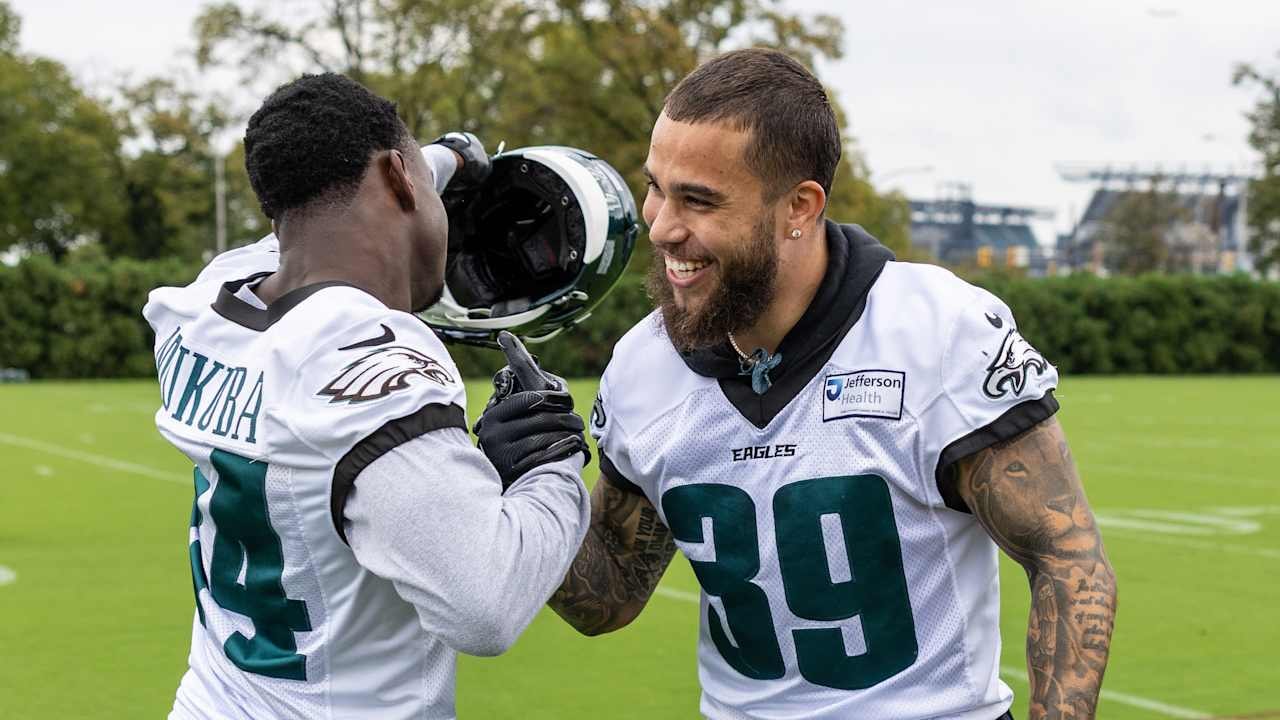
In a new reflection from Eagles camp, veteran Marcus Epps credited veteran-to-young mentorship as a key ingredient behind smooth transitions for younger players, pointing to second-year defender Andrew Mukuba as an example.
Philadelphia opened its 2026 preseason narrative with a message that is as old as the NFL itself, but still difficult to manufacture on purpose: when veterans take younger teammates seriously, development becomes steadier, and roles start to settle in faster. In comments published by the Eagles, safety Marcus Epps talked about the “big brother/little brother” dynamic he has seen repeatedly in the team’s locker room and how that approach helped create the kind of continuity that coaches and coordinators want to see from day one.
Epps’ emphasis centered on the example of Andrew Mukuba, a second-year player. The thrust of the Eagles’ camp story was not about measuring Mukuba in a highlight reel, but about describing what it looks like when a veteran’s care is consistent and practical. Epps framed the best mentorship as selfless, recurring, and grounded in day-to-day communication rather than one-time advice. In his view, that is what turns offseason learning into in-season production, because younger players understand the expectations around preparation, effort, and execution.
That perspective carries weight for teams because the NFL is built on adjustment. Even talented second-year players have to compress a learning curve that began the moment they left college, especially for schemes, terminology, and the timing of communication with teammates. Epps suggested that seamless transitions do not happen by accident. The “career growth” part of his message implies a longer runway for young defenders, but it also implies that veterans shorten the distance by showing younger teammates the way and normalizing the process.
The Eagles’ leadership theme is also notable because it speaks to how teams try to manage confidence. A veteran who has “seen it all,” in the terms of the article, can offer calm when a young player is still sorting out speed, physicality, or game-plan execution. Epps tied that emotional stability to on-field outcomes, arguing that when the right people care enough to guide others, younger players can move through transitions with less friction.
Epps’ comments on Mukuba did not hinge on specific statistical accomplishments, roster changes, or disciplinary matters. Instead, the story is structured around culture and responsibility. That matters in a league where teams can spend entire offseasons acquiring skill sets but still struggle to get the roster to operate as a single unit if the coaching and peer-development lines do not connect.
For fans, the practical question going forward is whether that mentorship translates into clearer roles and more reliable execution from Mukuba as camp and preseason progress. If the “big brother” model is working as described, you would expect the second-year player to look more comfortable in the communication layer, the timing of coverage or run-fit responsibilities, and the habits that decide whether a young defender is ready when opportunities show up.
The Eagles’ camp narrative, then, is less about a single play and more about the mechanism behind player development. It also offers a reminder that the NFL’s most productive teams often rely on leadership that is quiet but constant, with veterans treating mentorship like a duty rather than an option.
Why It Matters
- Mentorship can reduce a second-year player’s adjustment time, which is often where development either stabilizes or stalls.
- Locker-room leadership is one of the hardest competitive advantages to replicate quickly, especially as roster turnover creates new responsibility gaps.
- If Mukuba benefits from that guidance as described, the Eagles can expect more consistent execution in the communication and assignment details that often decide defensive efficiency.
Key Facts
- The Eagles published a camp reflection from veteran safety Marcus Epps about leadership and mentorship with younger players.
- Epps described a recurring “big brother/little brother” element in the Eagles locker room.
- The comments specifically referenced Andrew Mukuba as a second-year player Epps appreciates.
- Epps emphasized that veteran mentorship is selfless, practical, and helps create smoother transitions for younger players.