
THE APEX TIMES
Mariners’ 10-run surge lifts Bryce Miller as he delivers an 8-inning gem against the Nationals
A pitching rhythm that looked built for extra work turned into a long outing for Seattle’s Bryce Miller, and the Mariners’ offense made sure the evening did not need a comeback-style finish.
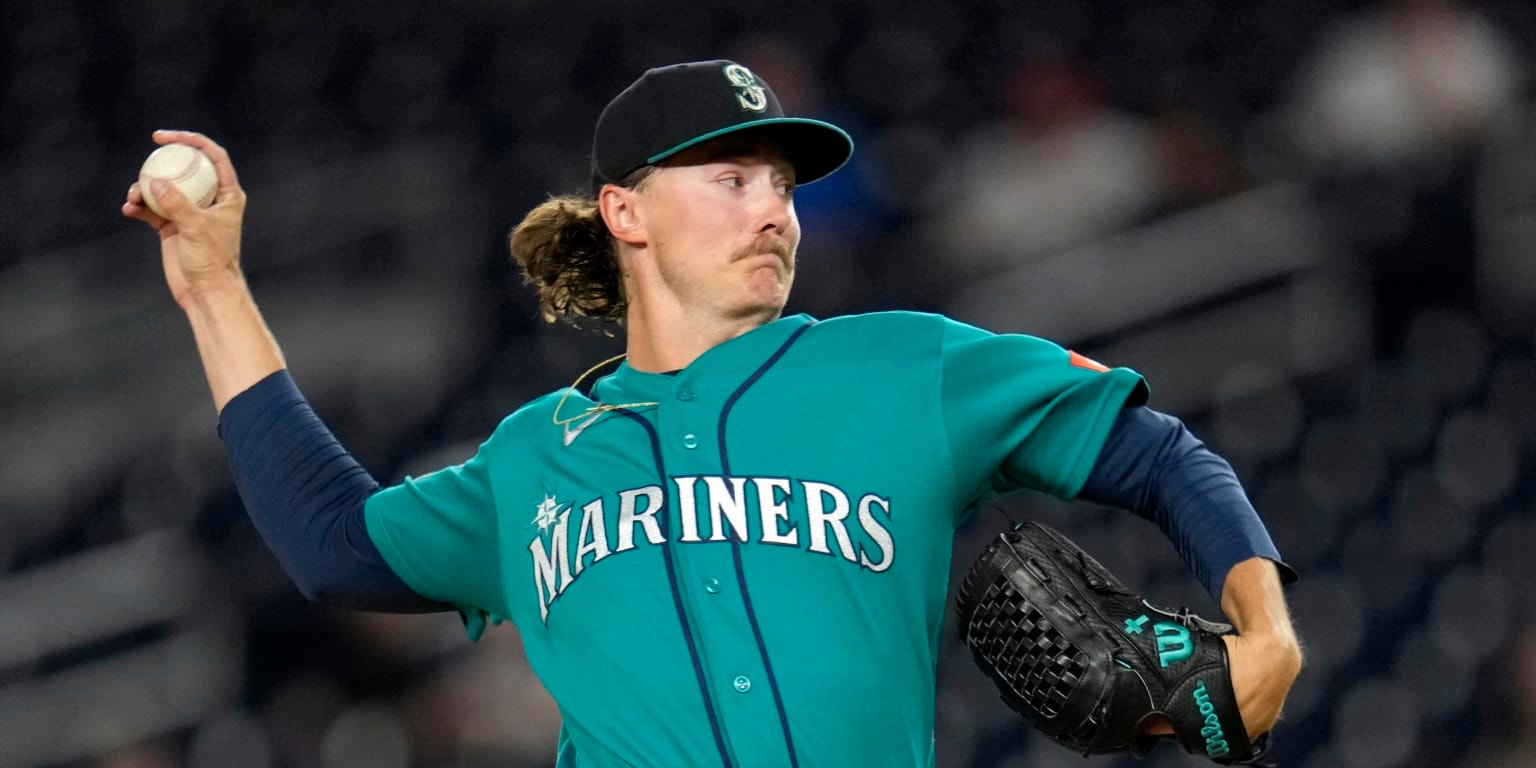
The Mariners took Friday night’s visit to Nationals Park and turned it into a controlled statement, with Bryce Miller providing the starting-pitching backbone for an 8-inning outing and Seattle’s bats adding the kind of burst that closes doors in September-sized baseball games, even when the calendar says otherwise. By the time the game tilted firmly in Seattle’s favor, it was clear the story was not going to be about bullpen management or survival pitching. It was going to be about whether Miller could stay in rhythm long enough for the Mariners to take ownership, and he did.
Miller, Seattle’s affable right-hander, worked through Washington’s lineup deep into the night, pushing the core “one more” idea all the way through his outing. According to the team’s game account, he told manager Dan Wilson, “I’ve got one more,” as he paced in the dugout while still wanting to keep going. It is a small line, but it captures the mindset of a starter trying to convert early command into sustained control.
The Mariners’ offense then supplied the margin. The team’s run production included a 10-run outburst, the sort of stretch that changes the structure of an opponent’s game plan. When a team adds that many runs in a condensed period, it forces the defense to play from behind and pressures pitchers to reach for strike zones that are normally only used when the score is tied or close. For Miller, that matters because it reduces the number of innings where each pitch carries the same weight of a fragile lead.
Seattle’s ability to manufacture offense and sustain it also helped reinforce a key pitching strategy: keep letting your starter work with a clean, comfortable runway. Starters can pace themselves differently when the game’s leverage swings away from them, and Miller’s “gem” label in the game recap reflects that he was effective for long enough to give Seattle options later without turning the game into a bullpen sprint.
From Washington’s perspective, the night became an example of how quickly a pitching performance can get swallowed by run variance. Even when a starter avoids traffic and limits damage early, innings can unravel when the plate approach finally hits, especially with runners turning over into the next at-bat. Once Seattle’s bats turned the page, the Nationals were left with fewer opportunities to make the game competitive through late-inning plate discipline.
For the Mariners, the win carries more than one night’s worth of scoreboard meaning. Getting an 8-inning, starter-driven result keeps the bullpen rested and preserves leverage arms for the next turn of the rotation. It also serves as a reminder of what Seattle wants from its rotation in meaningful stretches: long outings that turn starts into stability rather than a series of short resets.
What to watch next is whether Miller’s pitch-to-pitch rhythm carries forward into his next scheduled start and whether Seattle can repeat the offensive pattern that created the 10-run swing. Against a team like Washington, where games can swing sharply with timing and sequencing, the Mariners’ ability to turn sustained contact into multiple innings of damage may be the difference between a one-game highlight and a longer run of momentum.
Why It Matters
- A starter reaching 8 innings reduces bullpen strain and helps teams manage the leverage innings over the following days.
- A 10-run burst is a major momentum swing that can change how an opponent’s remaining pitching staff is deployed.
- For Seattle, pairing an extended start with a big offensive swing reinforces the team’s ability to win in different ways, not just through close-game execution.
- For Washington, the result highlights how quickly multi-run innings can erase otherwise manageable stretches against a starter working for length.
Key Facts
- Bryce Miller pitched for the Mariners and delivered an 8-inning outing in a win over the Nationals at Nationals Park.
- Miller’s outing was described as a career high in innings, marking the longest work of his career.
- Seattle produced a 10-run outburst during the game, creating the margin needed to support Miller’s long start.
- The Mariners’ game account reported that Miller told manager Dan Wilson, “I’ve got one more,” while he was still lobbying to stay in the game.