
THE APEX TIMES
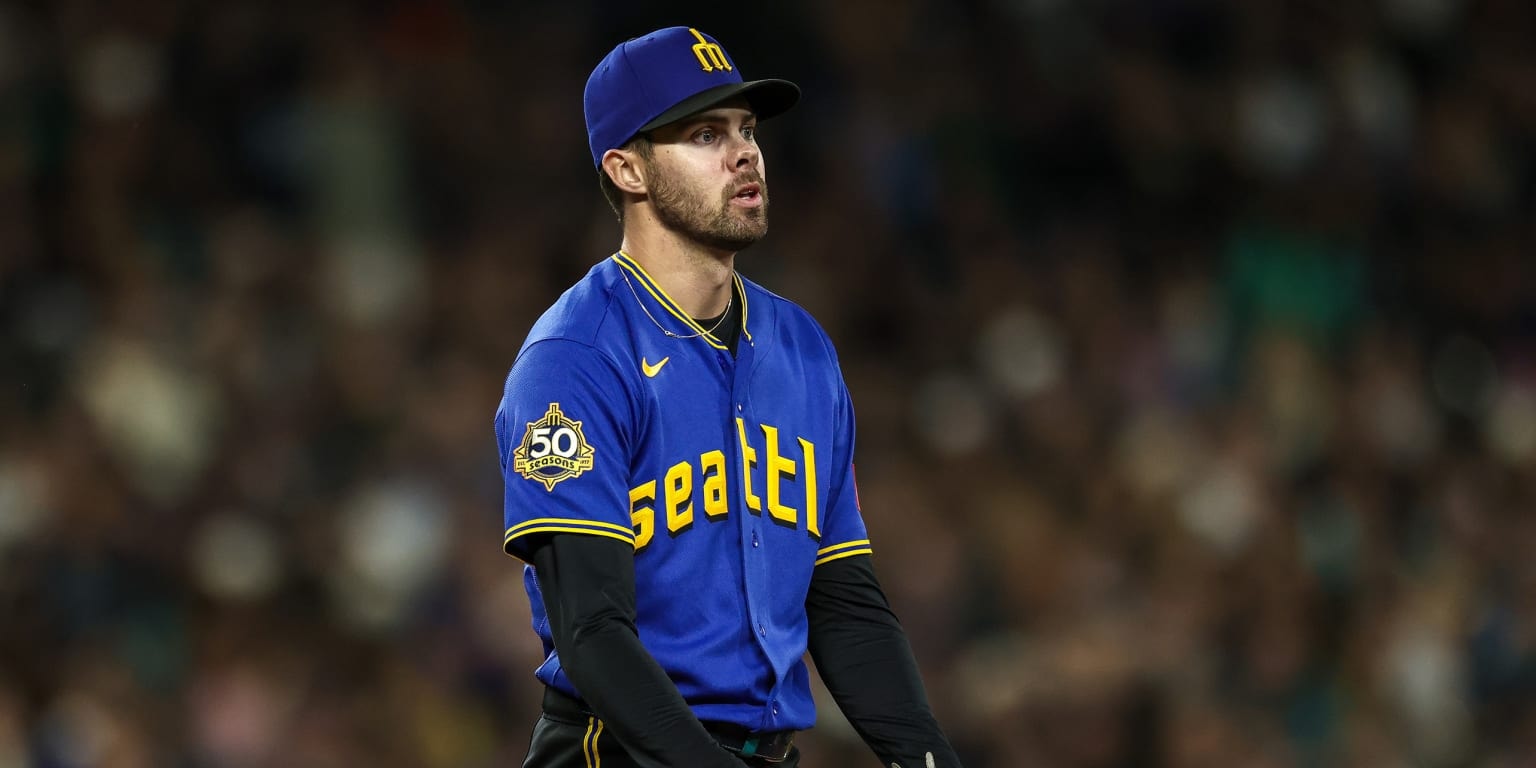
Mariners’ Matt Brash placed on injured list again with right lat strain
Baltimore provided the latest health update for Seattle as the right-hander landed on the injured list for a second time this season, sidelined by a right lat strain. The move reshapes the Mariners’ short-term pitching plans while they monitor how quickly Brash can ramp back into throwing.
What Seattle lost on the mound is not just innings, it is a specific pitching profile. The Mariners placed right-hander Matt Brash on the injured list with a right lat strain, marking the second time this season he has needed a trip to the IL for an ailment tied to how his upper body performs when he brings his arm through on pitches.
In the club’s official update, Brash was described as dealing with soreness that ultimately required the formal roster move. The team framed the issue as a lat strain rather than a more general setback, which matters for his path back because the lat muscle is central to both power generation and stable mechanics for many throwing pitchers.
Seattle’s immediate challenge is integrating bullpen work and available starting rotations around Brash’s absence. Without a pitcher like Brash, the Mariners have to redistribute workload among relievers and adjust how they sequence innings, especially in games where they would normally rely on him for late leverage or high-velocity matchups.
The timing of another IL trip carries additional weight because it suggests the Mariners cannot simply “wait it out” with bullpen sessions and spot starts. Lat injuries typically demand careful progression, and teams often take a conservative approach with throwing plans to avoid turning soreness into a longer-term injury. Even when a player is eager to return, the organization still needs to see that the condition holds under increasing intensity.
For a team building around pitching depth, the roster move also changes how managers balance right-left matchups and handedness through upcoming matchups. When a primary rotation or bullpen piece is removed, the choices become fewer, and the margin for error narrows, particularly against opponents that can exploit specific pitch types or arm slots.
From Brash’s perspective, the second IL placement this year creates a clear storyline: whether he can finish a rehab cycle without setbacks and ultimately return with consistent command and velocity. Seattle will likely emphasize that return to form is more than passing a medical check, it is sustaining performance across multiple outings.
What to watch next is not just whether Brash is eligible to begin a throwing progression, but what that progression looks like and how the Mariners’ staff manages the innings around it. If Seattle gets through the interim period with manageable bullpen usage, it strengthens the odds of a smoother return. If workload spikes, it could push more strain onto the rest of the staff and prolong the downstream effects of the IL move.
Why It Matters
- A second IL stint for Brash alters Seattle’s pitching mix during a period where roster stability matters for bullpen management.
- Lat strains can require careful, step-by-step throwing progression, which can influence how soon a returning pitcher can handle meaningful innings.
- Removing a key arm increases the importance of depth among relievers and may shift late-inning matchups.
- The Mariners’ ability to limit bullpen workload in Brash’s absence can affect performance across a stretch of games that follow.
Key Facts
- The Seattle Mariners placed right-hander Matt Brash on the injured list with a right lat strain.
- This marks the second time Brash has landed on the IL this season.
- The IL move was communicated in an MLB and team update on June 10, 2026.
- A lat strain affects the core muscle used in pitching power and mechanics, increasing the importance of a cautious rehab progression.
- Brash’s absence forces Seattle to reshuffle bullpen and potential rotation usage in the short term.