
THE APEX TIMES
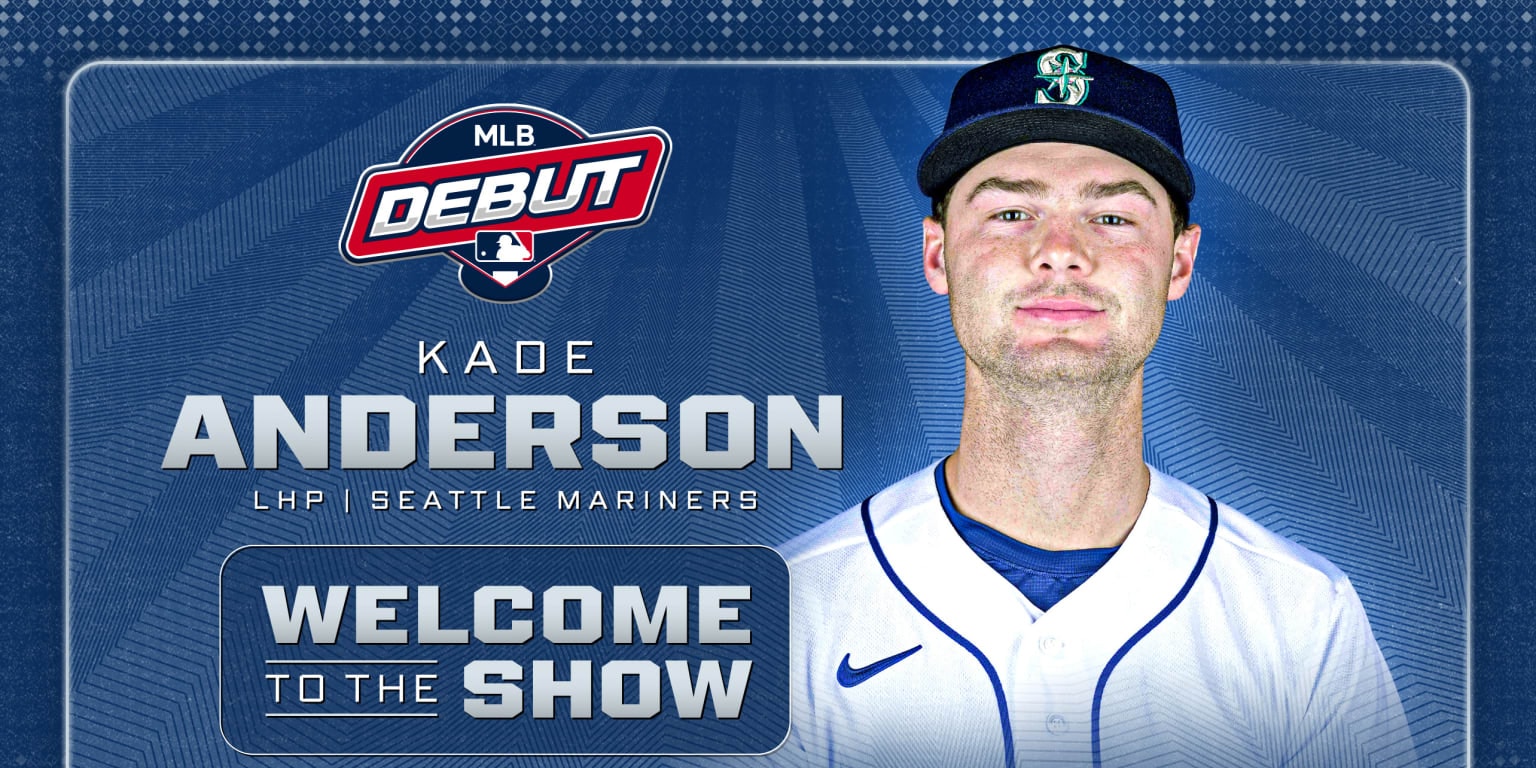
Mariners prospect Kade Anderson builds on Minor League dominance, positioning for a shot at The Show
After an emphatic first full season of professional work, the 22-year-old right-hander is being framed as Seattle’s next pitching add, following a No. 3 overall draft pick and a rapid rise through the system.
The Mariners’ long-term pitching plan just got a little clearer as Kade Anderson continues to separate himself at the Minor League level. In an MLB preview, the organization’s prospect pipeline is described through Anderson’s start-by-start performance, with the emphasis on how easily he has been able to overpower hitters in his first extended stretch of professional games.
Anderson, 22, was selected No. 3 overall and arrived in Seattle’s system last year. The draft pedigree matters, but the more notable element in the team’s official outlook is the way he has reportedly translated that status into results, making the step from amateur dominance to professional command feel, at times, almost routine.
According to the Mariners’ write-up, Anderson made 18 Minor League starts and looked prepared for the speed and competitiveness that come with playing higher-level lineups. The story highlights that he has not merely accumulated innings, he has controlled games. That is the sort of profile teams tend to associate with pitchers who can compress the time it takes to adjust to Major League hitters.
The report also ties Anderson’s confidence to his earlier development, including the way he was identified as the best pitcher in his Draft class. Before becoming a Mariners prospect, he had established himself in top college competition, which is part of the narrative the organization is using to explain why his pro success is not just luck or short-term sequencing.
From a team-building standpoint, what Anderson represents is a believable pathway from prospect to impact arm. Seattle has had to balance competing objectives in recent seasons, but the broader organizational priority is always the same: acquire pitching talent early enough that it can mature into playoff-relevant depth. A pitcher who is showing advanced feel in the upper Minor Leagues gives the Mariners a lever they can pull when a Major League roster needs reinforcements, whether through promotion timing or long-term bullpen and rotation planning.
Still, the next step, from Minor League dominance to Major League consistency, is where the sport usually forces adjustments. Minor League results often travel, but not always in a straight line. The organization’s preview frames Anderson as ready to “take aim in The Show,” yet the ultimate measure will be how quickly he can repeat his delivery, command different strike zones, and manage the deeper, more patient approach Major League hitters bring.
For fans in the Pacific Northwest, the immediate watch item is not one specific statistic, but the progression: whether Anderson’s command and effectiveness seen across his 18-start body of work carry over as the Mariners consider the appropriate promotion window. If he continues to look like the pitcher Seattle invested in as the No. 3 overall pick, his path could turn from prospect chatter into a near-term rotation or leverage-bullpen conversation.
Why It Matters
- A prospect with Anderson’s reported Minor League control and effectiveness gives Seattle a clearer option for upgrading pitching talent as the season moves toward meaningful games.
- No. 3 overall draft status creates expectations, and early professional dominance can accelerate a player’s timeline into Major League consideration.
- If Anderson’s profile translates, it strengthens both the rotation depth plan and the bullpen leverage plan, two roster areas that often determine playoff ceilings.
- For the Mariners, converting a high draft pick into an impact arm can shift how aggressively the team needs to chase pitching through the trade market.
Key Facts
- Kade Anderson is a 22-year-old right-handed pitching prospect in the Seattle Mariners system.
- Anderson was drafted No. 3 overall by the Mariners last year.
- MLB’s Mariners preview describes Anderson as the top pitcher in his Draft class before turning professional.
- The organization’s outlook points to Anderson making 18 Minor League starts.
- The Mariners’ official preview characterizes Anderson’s Minor League performance as overpowering and a sign of readiness for Major League baseball.