
THE APEX TIMES
Mariners tumble in a late, extra-inning heartbreaker as their road to August stability slips again
Seattle’s latest close game ended in extra innings, extending a difficult stretch as the Mariners’ season continues to circle around the same question, can they turn late leads and tough breaks into wins.
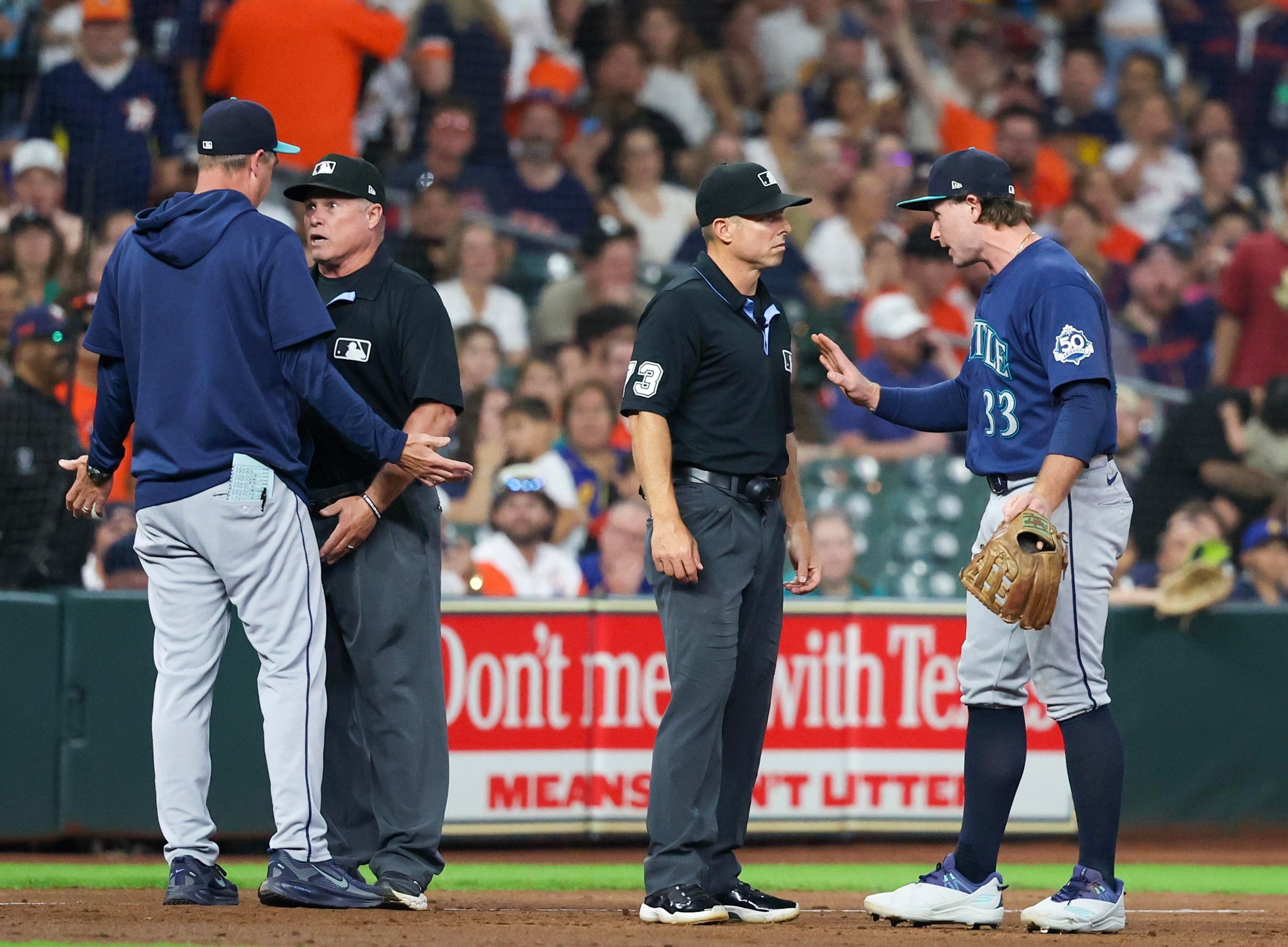
The Seattle Mariners suffered a heartbreaker in extra innings on Friday, a loss that left their season narrative stuck in the same loop: competitive enough to reach the late moments, but unable to finish the job when the game stretched beyond regulation. The result landed with extra sting because the theme of the day, at least according to the way the game was summarized, leaned into a “shoulda stuck with it” frustration, underscoring how small decisions and key at-bats can swing a night in either direction.
The reference point in the headline, “57-66,” points to where Seattle has been finding itself in the standings over this stretch. In a playoff chase, record matters less for the calendar than for what it indicates about consistency. A 57-66 mark, regardless of opponent or inning-by-inning detail, is a reminder that Seattle has had difficulty turning opportunities into the kind of accumulation that separates contenders from the chasing pack.
Extra-inning losses tend to expose two things at once. First, they show the Mariners can hang around against quality opposition for long enough to force the game into the late innings. Second, they highlight how thin the margin becomes once the game starts moving past the point where the starter’s rhythm and the earlier lineup matchups matter most. When teams lose in extras, the conversation usually shifts from what happened early to what happened in the most replaceable, most high-leverage moments.
Even without a full recounting of the at-bats in the public preview, the basic structure of the night is clear. The Mariners found a way to get the game to extra innings, meaning the club did not collapse early. They then lost anyway, meaning the final swing did not go Seattle’s way when the margin was smallest. That is exactly why these games feel like they linger. You can live with a loss where you never threatened, but a late defeat can complicate confidence, bullpen usage patterns, and the way a team approaches the next day’s roster planning.
For the Mariners, the immediate challenge is not just learning from one contest, it is learning from a pattern. Late-inning outcomes often show up in team metrics in ways that are difficult to ignore, especially as August turns into September. When the record sits in the 57-66 range, the goal is not only to win the next game, it is to begin winning enough of the “close” versions of games to create a cushion. Without that, each additional extra-inning result functions like another vote for how the season is trending.
What to watch next is whether Seattle can turn the “took it to extras” theme into a “won it in extras” reality. That typically comes down to execution in late plate appearances, staying sharp defensively after fatigue sets in, and minimizing the damage that follows one marginal at-bat. If the Mariners can start collecting these late wins, the record will start to look less like a holding pattern and more like a team building momentum. If not, the gap between being competitive and actually winning tightens, and the standings do the rest.
Why It Matters
- An extra-inning loss keeps the Mariners from gaining ground in a record that suggests they are still fighting to stabilize their playoff trajectory.
- Games that end in the late innings tend to shift momentum and can affect how a team manages pitching and lineup matchups in subsequent contests.
- With a 57-66-type record as the reference point, each additional close loss raises the importance of converting late-game opportunities into wins.
Key Facts
- The Mariners lost a game in extra innings.
- The story preview highlights the loss as a “heartbreaker” and frames it around the frustration of a near-finish that did not come.
- The headline includes “57-66,” indicating Seattle has been operating from that record point in the season context.