
THE APEX TIMES
Mario Cristobal confirms Miami has dismissed WR Cam Vaughn, ending West Virginia transfer’s run in Coral Gables
The Hurricanes receiver, originally from West Virginia, is no longer part of Miami’s football plans after a confirmation from coach Mario Cristobal on Monday.
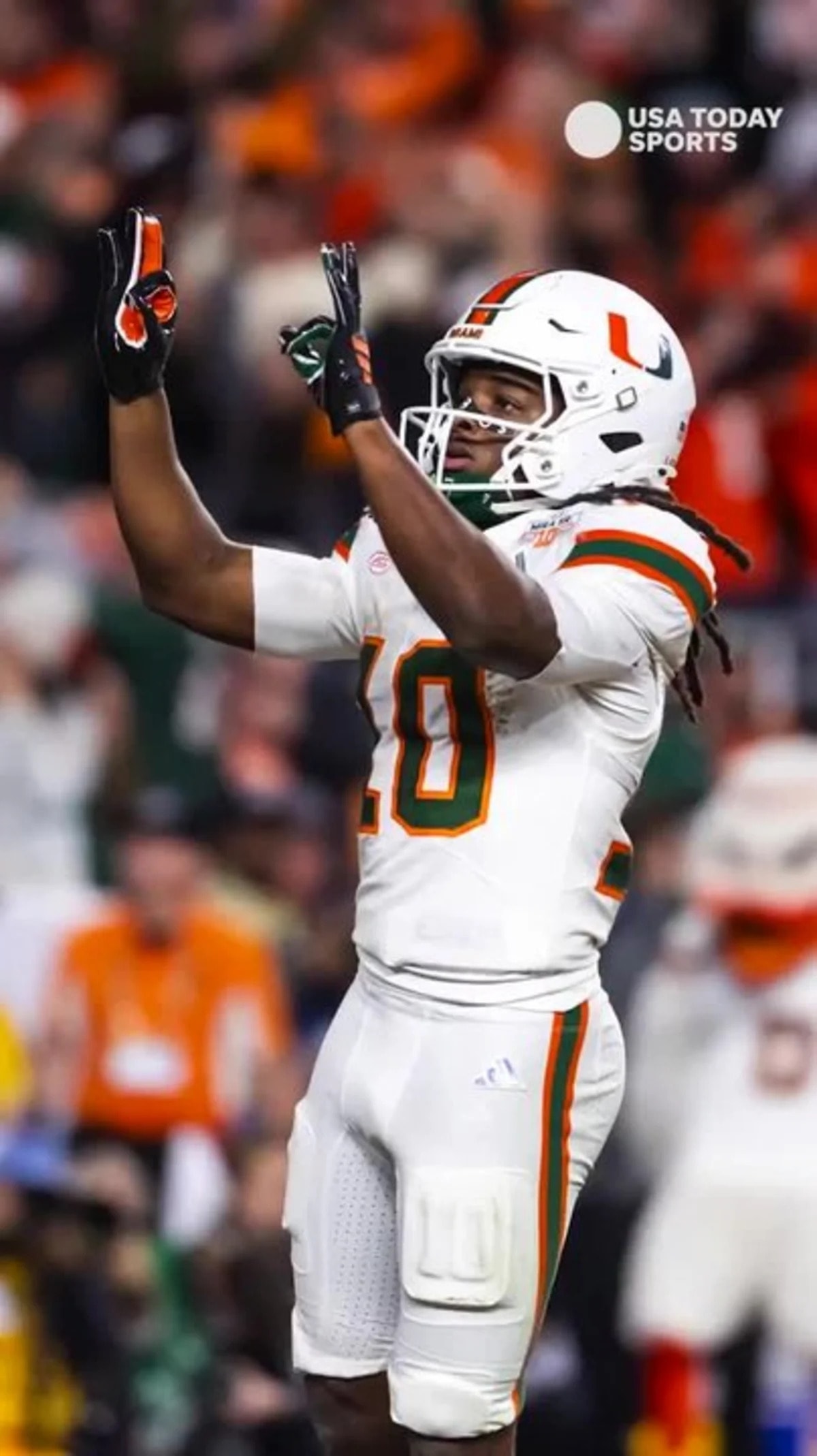
Miami football has dismissed potential impact receiver Cam Vaughn, coach Mario Cristobal confirmed on a radio call on Monday, Aug. 17. The decision removes a transfer wideout from the program’s roster heading into the start of the season and changes Miami’s receiving group composition at a critical late stage of offseason roster building.
Vaughn arrived in the Hurricanes’ orbit as a West Virginia transfer, a move that typically indicates a team’s intent to add proven production and experience at a position where depth and timing matter early. Receiver is often one of the first spots that changes are felt on, because roles, routes, and quarterback chemistry have to form quickly during practices that become progressively more structured as fall camp ends.
Cristobal’s confirmation is notable because it frames the development as a team decision rather than an informal evaluation or temporary absence. In college football, dismissals can stem from a range of causes that are not always fully detailed in public reporting, so what can be firmly stated from the reported account is the outcome: Vaughn is no longer with Miami.
For Miami, the immediate practical effect is roster churn. With receiver depth and special teams availability often intertwined, losing a transfer receiver can force staff members to adjust the distribution of reps and targets, particularly for the players competing for starting roles and the reliable hands used in high-leverage early downs. Even when a team has capable returning options, replacement timelines can be tight once preseason practices and game-plan install move into the season rhythm.
The wider context is the volatility of modern college football roster management. Transfers can be valuable because they can compress rebuilding timelines, but the same mechanism also increases turnover, and late roster changes can create uncertainty for depth charts and offensive continuity. The Hurricanes now must recalibrate, drawing more heavily on the established receiving corps and whatever internal development accelerated during camp.
What to watch next is how Miami fills the void in practice and in projected rotations. Even without additional confirmed details about Vaughn, the Hurricanes’ response will be visible in how the staff deploys receivers during fall preparations, how the offense handles third-down coverage, and which players emerge as consistent targets as the season approaches.
As for Vaughn, the confirmation that he has been dismissed ends his Miami chapter before it can play out on the field for the Hurricanes this season. Any next destination, if it occurs, would likely come through the standard offseason transfer and eligibility processes, but no further information is included in the current report.
Why It Matters
- This affects Miami’s receiving depth and the distribution of reps and targets heading into the season.
- Late roster changes can impact quarterback-receiver timing and third-down role development.
- The dismissal underscores the high turnover risk teams face when adding transfers close to the season.
- Miami will be judged, in part, by how quickly the receiving group re-stabilizes after the loss.
Key Facts
- Miami football dismissed receiver Cam Vaughn, confirmed by Hurricanes coach Mario Cristobal on a radio call.
- The dismissal was confirmed on Monday, Aug. 17.
- Vaughn entered Miami as a transfer receiver from West Virginia.
- The report frames the development as a coach-confirmed roster outcome for the upcoming season.
- No additional details beyond the dismissal were provided in the available report.