
THE APEX TIMES
Marlins and Rockies, both born in 1993, remain without a division crown
Two franchises that entered Major League Baseball as 1993 expansion partners have never won a division title. For Miami and Colorado, the frustration is familiar, even when the franchise story includes October moments.
Major League Baseball’s 1993 expansion cycle gave the National League two new homes: the Miami Marlins and the Colorado Rockies. Nearly 30 years later, both franchises share a stubborn, defining feature. Neither club has ever won a division championship, despite producing milestone seasons that proved the ceiling could be higher than the standings suggest.
What makes that drought stand out is the contrast between the division-history gap and the franchises’ ability to reach the sport’s biggest stages. The Marlins and Rockies have each produced “remarkable things” in MLB, including a combined total of two World Series titles. They have also had rare, sudden runs that reshaped how fans remember what their teams can do in a single postseason window.
In the Marlins and Rockies’ case, October did not always require a conventional path of repeated divisional dominance. The franchises have demonstrated a different kind of postseason identity: building credibility that can travel, even in years when the calendar turns and the division picture does not. That theme matters to both clubs because it shapes expectations. Fans in Miami and Colorado can point to proof that the sport’s biggest prize is reachable, but they also carry the knowledge that the division crown, the cleanest marker of superiority across a full season, has remained out of reach.
The question raised by the longtime division drought is not whether the franchises are capable of momentum, but whether they can convert that momentum into a sustained regular-season position that results in the top seed within the division. A division title is more than a trophy. It usually determines home-field advantages, sets postseason matchups, and reflects the ability to outperform a specific group of opponents over the long haul. For franchises built during the same expansion moment, failing to ever capture that status becomes part of the organizational narrative, almost as much as the successful seasons do.
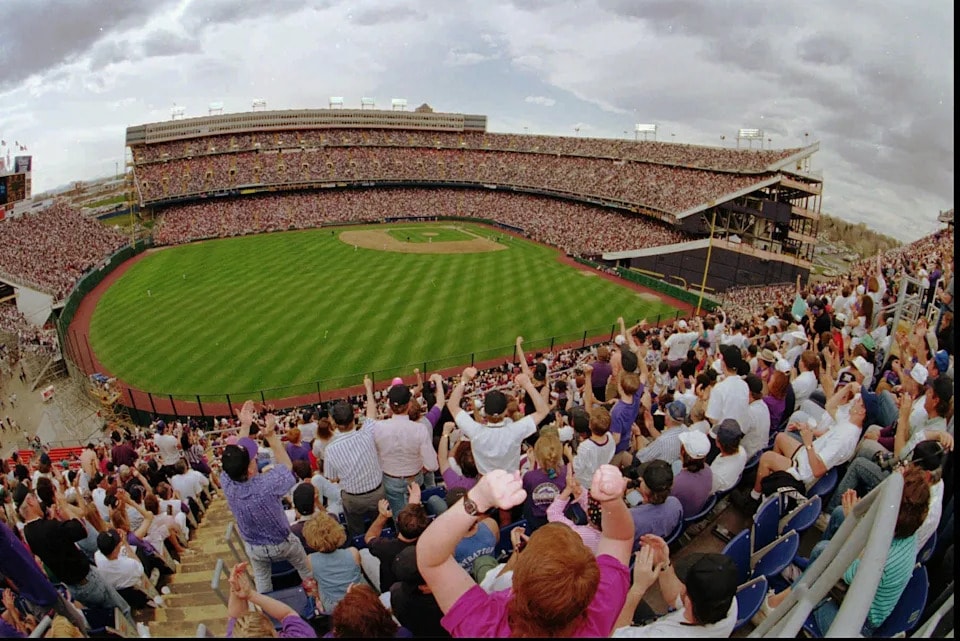
The Rockies have played their home games at Mile High Stadium since their founding era, a distinctive environment that has long influenced how Colorado constructs its roster and approaches the game. The Marlins, meanwhile, have cultivated their own brand of loyalty and postseason belief that shows up even when the overall stretches are grim. Together, the clubs offer a study in how fan bases can remain connected to teams that do not consistently control the division.
There is also a broader historical layer to the story. Expansion teams in their early decades can struggle to translate new resources into stable results, and both franchises have had to navigate that learning curve while the league evolved around them. Yet the continued absence of a division crown suggests that, at least so far, the “best version” of these clubs has arrived in flashes rather than long, repeatable dominance.
As MLB moves forward, the division-title question becomes sharper because it tests the clubs’ development cycle. The next step for each franchise is not just to make a run when the calendar flips to October, but to build enough regular-season consistency that a first division crown is no longer a hypothetical. For Marlins and Rockies fans, the pain of waiting is now paired with the knowledge that the franchises have already shown the postseason can be real, even if the division trophy has never been.
For MLB, the stakes are equally clear. Two expansion teams that entered together but are still waiting for their first division championship create an enduring storyline across generations of players and managers. Whether the answer comes from roster construction, player development, or timing that aligns with the postseason, the division drought remains the most concise way to describe what has not changed, even as everything else has.
Why It Matters
- A division title is the clearest report of regular-season superiority, affecting postseason positioning and matchups.
- The franchises’ ability to reach the sport’s biggest stages without a division crown highlights how postseason timing can differ from season-long dominance.
- The enduring drought shapes how fans and organizations evaluate progress, since it measures consistency as much as peak performance.
- With both clubs lacking that specific marker, each new contender season carries extra narrative weight and pressure to convert momentum into sustained results.
Key Facts
- The Miami Marlins and Colorado Rockies entered MLB in 1993 as expansion teams.
- Neither franchise has won a division championship.
- Both teams have produced meaningful postseason success, including two World Series titles combined.
- The Rockies and Marlins have also had notable, unexpected runs, including an out-of-nowhere National League pennant run mentioned in the account.
- Despite major October moments, both franchises’ lack of division crowns remains a defining franchise storyline.