
THE APEX TIMES
Marlins’ late push and aggressive base-running ends in another loss, extending an almost month-long skid
Miami pressed for momentum and took chances when runs finally looked possible, but finishing plays and converting scoring opportunities has remained out of reach during a prolonged stretch of futility.
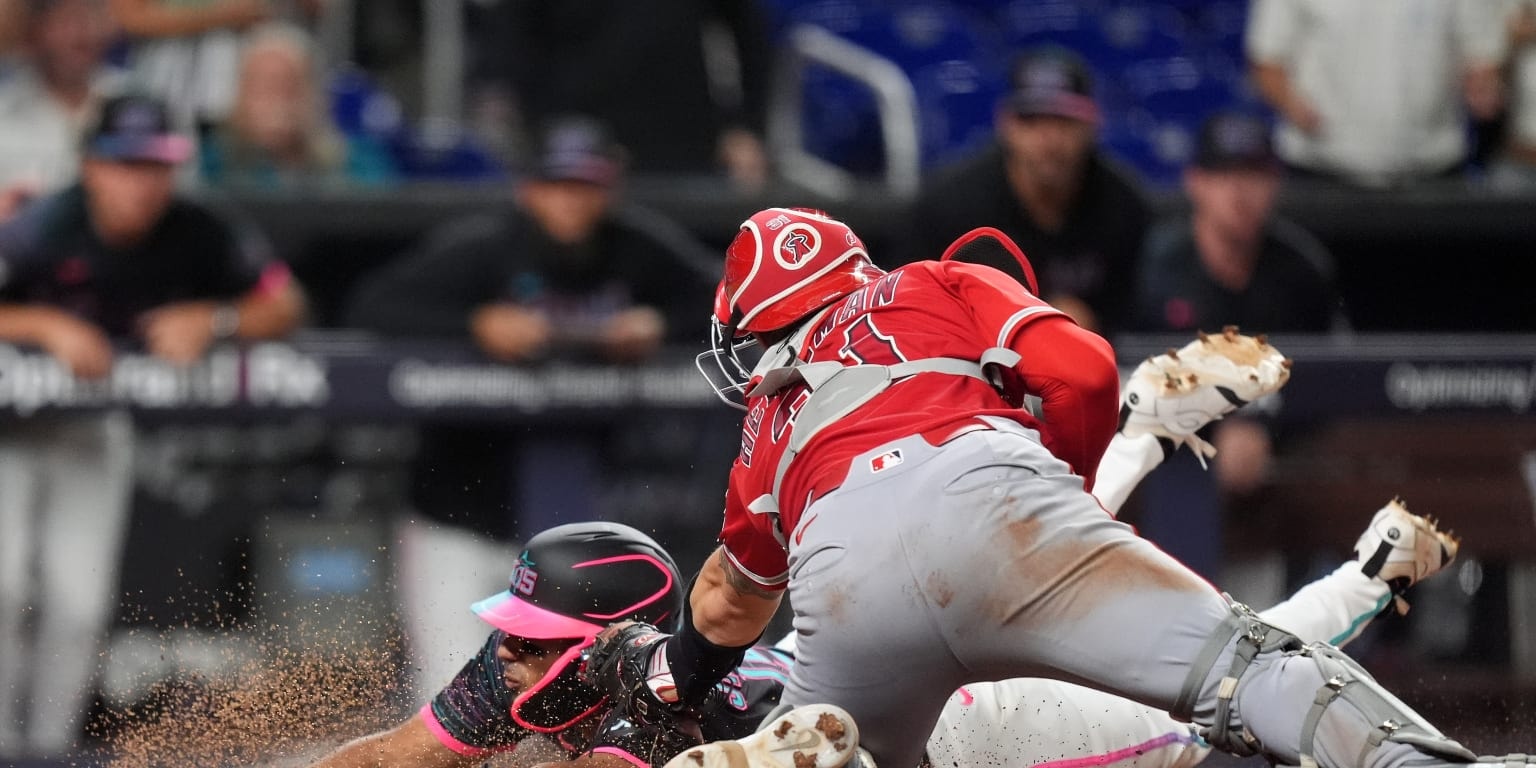
The Marlins’ problems have not been about a lack of effort or a lack of urgency, but about turning chances into runs at the moments that matter. In a late game sequence that briefly suggested momentum could shift, Miami’s attack sputtered again, and a cutdown at the plate helped end the night with yet another loss. The play was credited to Leo Jimenez being thrown out at home, a sharp reminder that the margin between a rally and a dead end has been thin for this group.
The larger concern is how the season has weighed on the Marlins’ offense over the past several weeks. MLB’s recap ties the team’s recent slide to the way runs have been harder to come by, even when the Marlins have shown signs of pressure. The description emphasizes a stretch in which hard-hit balls have been turned into outs in key spots, and where missed opportunities with runners in scoring position have kept Miami from separating itself from opponents.
According to the MLB writeup, there was a brief window when it appeared “the tide” might finally turn. That framing matters because it suggests the Marlins have been getting into the same kinds of situations that typically produce innings that flip games. Instead, the team’s aggressiveness has not been enough to overcome what has become a recurring theme: when the offense needs extra bases or a clean hit, it has too often ended the inning with the runners still stranded.
The contrast in the recap is also telling. It portrays an offense that is willing to press, take extra bases, and push the pace, rather than retreat into conservative baseball. But aggressiveness without execution can cut both ways. Even if the Marlins are creating chances through pressure and baserunning intent, a well-timed throw, a ball directly to a fielder, or a fraction of hesitation at the plate can erase the advantage and turn a promising sequence into an out.
Jimenez’s throw-out at home functions as a concrete example of that reality. In MLB game narratives, home-plate decisions often reflect a team’s willingness to take a high-leverage risk rather than settle for something smaller. Here, that risk did not pay off, and the inning closed quickly. In a season-long view, those closed innings can be the difference between a team that keeps its offense “in the game” and a team that watches scoring chances slip away.
The Marlins’ nearly month-long skid, as described in the MLB recap, therefore reads as more than just a run of bad luck. It is tied to consistent patterns: runs at a premium, hard contact yielding routine outs, and runners left behind in scoring-position situations. Those are the categories that managers and hitting coaches track obsessively because they point to process issues that can be corrected, but they also show how quickly games can move past a team that is struggling to cash in at the right times.
Going forward, the storyline for Miami is not simply whether it can “get hits,” but whether it can convert pressure into production. The next few games will be watched for whether aggressive intent turns into extra-base success without creating preventable outs at home plate, and whether scoring-position chances start to result in runs rather than near-misses.
If the Marlins can find a way to translate their late-game push into sustained output, the length of this skid could begin to look like a temporary problem rather than a lingering identity. For now, MLB’s recap makes the same point from multiple angles: effort is showing up, contact is occurring, and baserunning is active, yet the finish has not arrived.
Why It Matters
- A prolonged skid reshapes how a team’s offense and aggressiveness are judged, because it compresses time for correction.
- Scoring-position conversion is often the difference between competitive innings and games that slip away, especially late.
- Plays at home plate can reflect coaching philosophy, but they also determine whether rallies create runs or end immediately.
- If the Marlins continue to generate pressure without cashing it, the gap between “almost” and “ahead” will define the rest of their season.
Key Facts
- MLB described the Marlins’ recent scoring difficulties as part of an almost month-long skid.
- The MLB recap says runs have been at a premium for Miami during the stretch.
- The writeup cites hard-hit balls being turned into outs directly at fielders.
- The recap also points to missed opportunities with runners in scoring position.
- In the specific game sequence referenced, Leo Jimenez was thrown out at home to end the Marlins’ loss.