
THE APEX TIMES
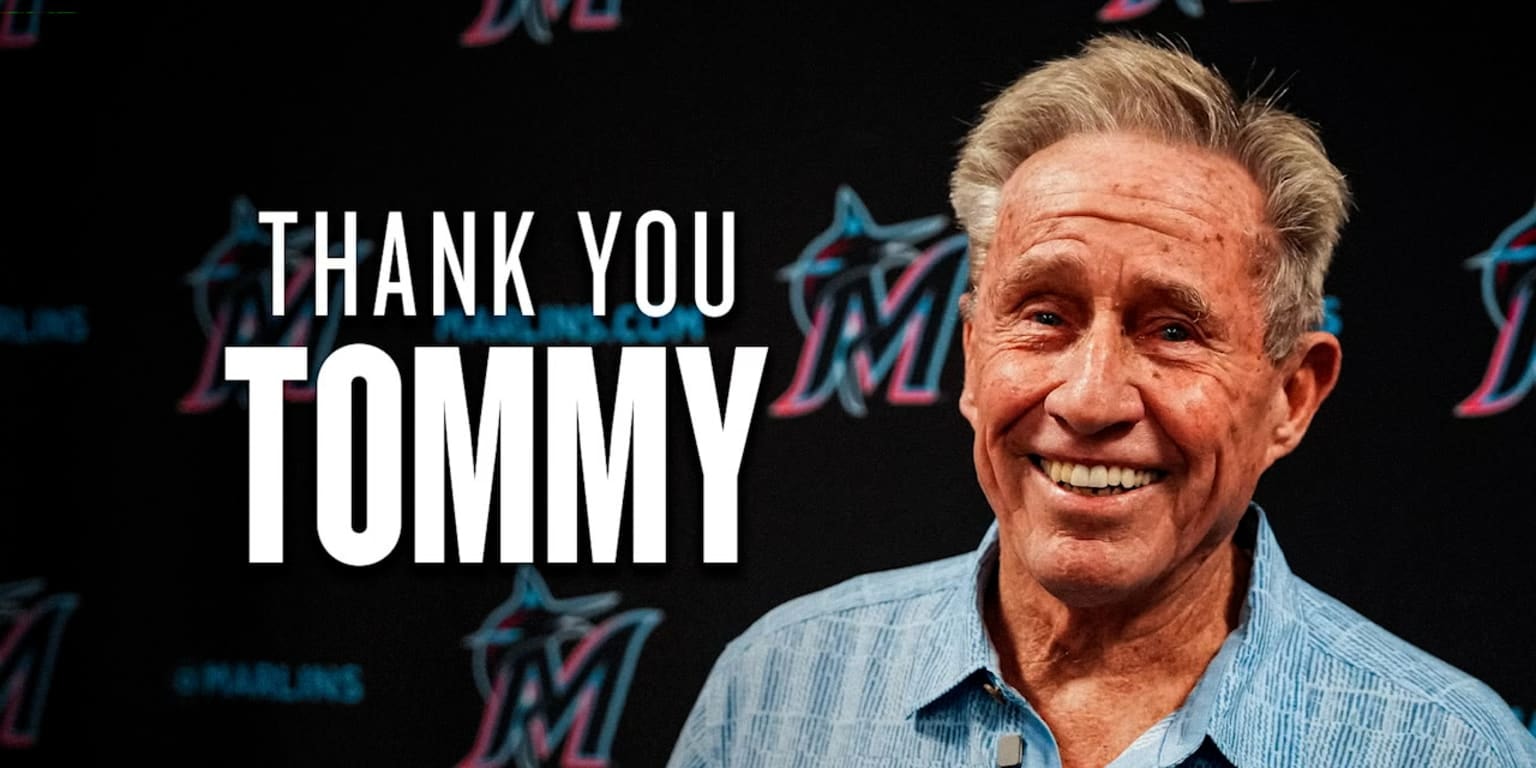
Marlins mark Tommy Hutton Day, honoring the broadcaster who came to the game by choice
The club’s Tommy Hutton Day remembrance highlights how the former Marlins player turned a late-career pivot into a lifelong role in baseball’s daily storytelling.
The Miami Marlins honored broadcaster Tommy Hutton with an event the organization calls Tommy Hutton Day, a moment designed to recognize not just a career in the booth, but the turning point that brought him there. The team’s official account traces Hutton’s decision to pursue broadcasting in the winter of 1980, when he sensed his playing days were winding down and reached out to Major League clubs with a clear message: he wanted to stay close to the game, even if his role had to change.
According to the Marlins’ release, Hutton wrote letters to every Major League club after concluding that broadcasting might be the next chapter. The account frames the effort as both practical and deeply personal, rooted in a love of baseball and a belief that he could contribute as a voice for the sport, not only as a player on the field.
The day’s tone is described as emotional, reflecting how a broadcaster can become part of an organization’s identity over time. In the Marlins’ telling, the gesture toward Hutton is also a look back at how the game can be carried forward through communication, even when the calendar moves past the final uniform.
Hutton’s story is also a reminder of how broadcasting roles are often built on long-range intent rather than sudden opportunity. The Marlins describe a deliberate outreach process in 1980, suggesting that the pathway to a media career was something he actively pursued, rather than something that arrived by accident.
While the Marlins’ announcement centers on Hutton’s initiative and the club’s gratitude, it also underscores the broader role broadcasters play in baseball’s day-to-day culture. They translate the pace of games, explain the chess match of innings, and help bind fans to an organization across seasons, including the ones when the roster turns over and the clubhouse evolves.
What to watch next is how Tommy Hutton Day continues to be used by the Marlins, not only as a tribute but as a recurring thread connecting different generations of Marlins followers to the voices they grew up with. For fans who have associated particular moments with Hutton’s commentary, the recognition functions as a formal acknowledgement that memory and storytelling are part of the sport’s history, just like standings and seasons.
For readers interested in the full scope of Hutton’s career arc as the Marlins present it, the organization’s official release remains the best starting point, since it is the club’s own account of how his interest in broadcasting began and why the Marlins chose to celebrate him now.
Why It Matters
- Broadcasters become part of a franchise’s continuity, offering stability and shared context as players and teams change over time.
- Hutton’s late-career pivot illustrates how career transitions in baseball can be proactive, not only reactive.
- A franchise-led tribute indicates how the Marlins view baseball’s history as more than on-field results, extending to the voices that frame it.
- For fans, Tommy Hutton Day can renew personal connections to past games and the cadence of an era.
- Recognitions like this also help younger fans understand that baseball culture is built by participants across multiple roles, not just players.
Sources
Key Facts
- The Marlins hosted Tommy Hutton Day to honor broadcaster Tommy Hutton.
- The Marlins’ account says Hutton began pursuing broadcasting in the winter of 1980 after sensing his playing career was ending.
- According to the team, Hutton sent letters to every Major League club expressing interest in broadcasting.
- The Marlins describe Tommy Hutton Day as an emotional celebration of Hutton’s role in baseball’s storytelling.
- The club’s announcement links Hutton’s initiative and love of the game to his long-term place in the sport.