
THE APEX TIMES
Marshall Manning’s rise at Baylor School puts a premium on preparation, not hype
As a freshman quarterback learning the Baylor School varsity routine, Peyton Manning’s son is drawing early attention for an approach built around careful development and consistent game experience.
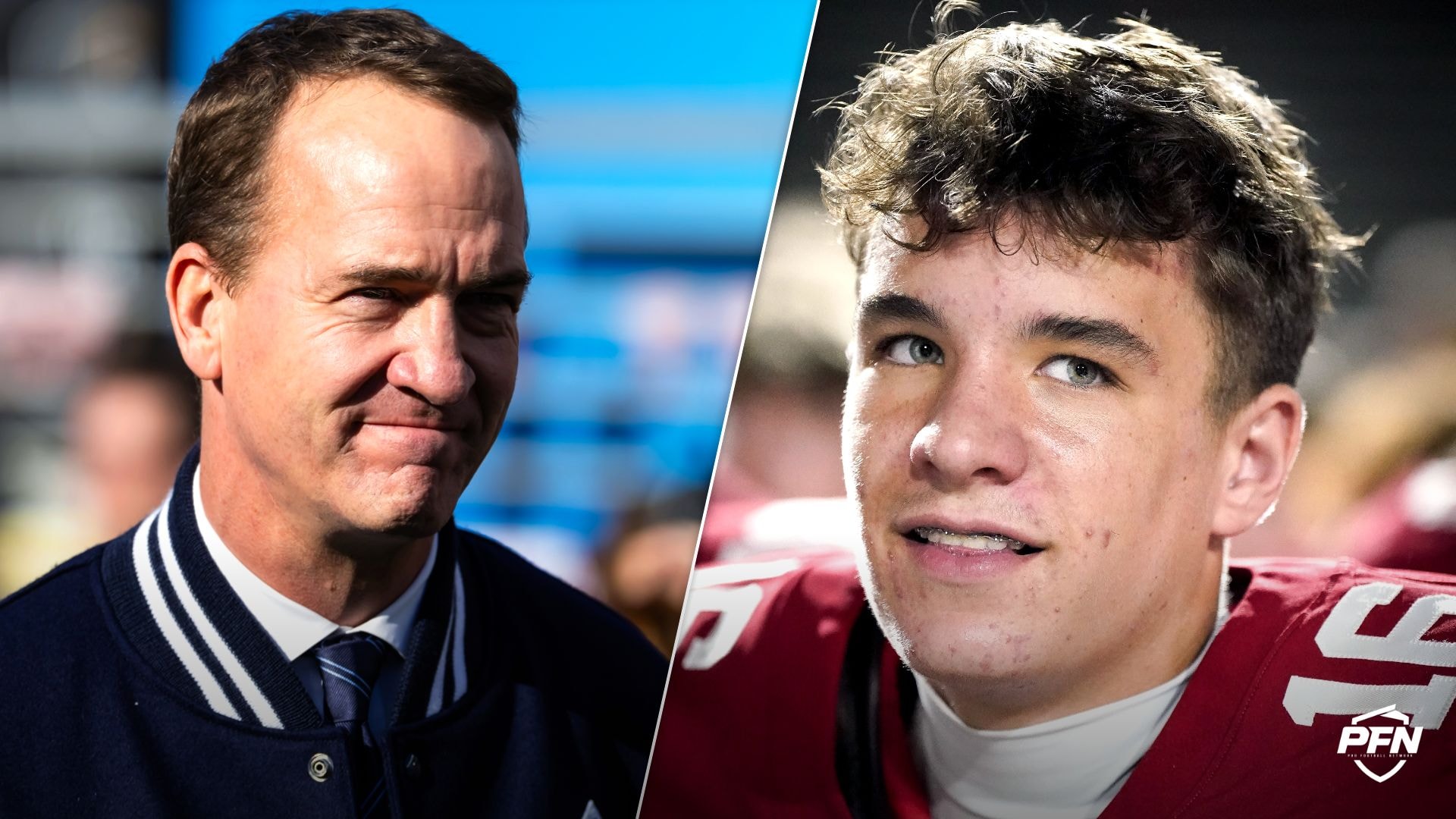
A freshman quarterback with the last name Manning is starting to turn heads at Baylor School, where his early reps are being handled with the kind of patience that often separates promising talent from overexposure. In a report published this week, Peyton Manning’s son, Marshall Manning, is described as beginning to earn attention through a deliberately managed introduction to varsity football, with the goal of building the full mental and physical load of the quarterback position the right way.
According to the coverage, Baylor School is taking steps to keep Manning in the flow of high-level competition rather than treating him like a novelty. The same report highlights that the quarterback remains “years away” from receiving an official national recruiting ranking, but interest around his development continues to grow as coaches and observers track how he handles the demands that come with running a offense, commanding the huddle, and adjusting to faster decision-making.
A notable theme in the reporting is playing time and repetition. The piece frames an intent for Manning to contribute frequently as he progresses, pointing to a Baylor School coach’s reported message about wanting him to be involved broadly during games. For a freshman quarterback, that kind of plan carries a clear developmental logic: learning under real pressure can speed up growth more than practice-only reps, as long as the workload is managed responsibly.
The Manning name naturally draws curiosity, but the story’s focus is less about legacy and more about process. The report suggests Baylor’s approach is designed to give him an early chance to understand what the position requires day-to-day, including film work, timing, protection calls, and the communication expectations that quarterbacks must master long before any recruiting ranking arrives.
Recruiting attention for high school quarterbacks can evolve quickly, even when formal national evaluations are years away. The report places Manning at an early stage where observers can begin to measure trajectory through how he handles game preparations and the pace of varsity football, rather than through published star ratings or official placement on national lists.
For Baylor School and its program, the upside of a long-term quarterback plan is straightforward, consistent, and potentially transformative. If the development continues in the same vein, Manning could become a multi-year offensive centerpiece, and the program’s coaching staff can use the information gained in his freshman and early sophomore phases to shape everything that follows.
What to watch next is not a ranking announcement, but evidence of growth that shows up in actual games: comfort processing coverage, decision speed under pressure, and the consistency of his passing and command when the plan changes. If Baylor maintains its reported emphasis on careful introduction and frequent game involvement, Manning’s path could offer an early glimpse of how readiness is built rather than declared.
Why It Matters
- A development-first quarterback approach can shorten the time it takes to build varsity-level decision-making and command.
- Early, consistent playing time can accelerate growth if workload is managed and responsibilities are scaled correctly.
- Even without national rankings yet, strong freshman-year execution can reshape how programs evaluate a quarterback’s trajectory.
Key Facts
- Marshall Manning, Peyton Manning’s son, is a freshman quarterback at Baylor School.
- Baylor School’s reported approach emphasizes a carefully managed introduction to varsity football.
- The reporting indicates Manning is still years away from receiving an official national recruiting ranking.
- Interest in Manning’s development is growing as observers track how he handles quarterback demands in games and practices.
- The coverage highlights a Baylor coach’s goal of having Manning play in every game as he progresses.