
THE APEX TIMES
Marshall Manning’s televised high school varsity debut turns into a recruiting blueprint for Baylor
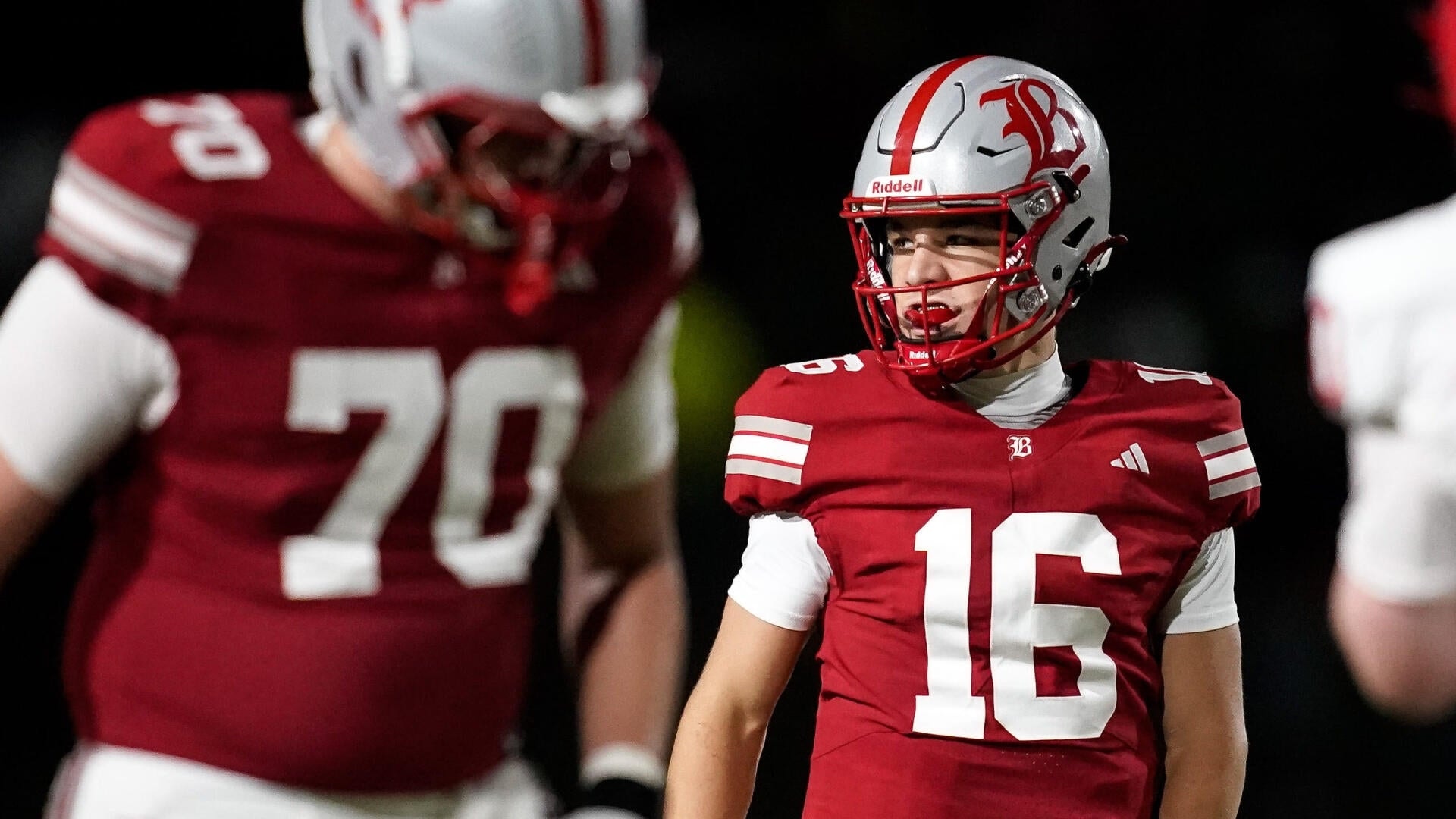
In his first varsity action, 15-year-old Marshall Manning played two snaps, but Baylor coach Erik Kimrey is already framing the next stage of his development around regular game reps.
Baylor coach Erik Kimrey had a new recruiting storyline to track on the high school field, where Marshall Manning, the son of NFL quarterback Peyton Manning, made a televised freshman debut in a varsity setting. CBS Sports reported that Manning saw the field for two snaps in his first appearance, a brief introduction that nevertheless set up a long view on how his development could be managed week to week.
What Kimrey is emphasizing is not just getting footage, but getting reps. According to the report, Kimrey intends to have Manning play in games every week as part of a preparation plan built around Peyton Manning’s son learning his craft through consistent live action. The idea, in practical terms, is that development at this stage is accelerated by repetition under real game conditions, not just practice.
The framing matters because Baylor’s interest would not be simply about a “cameo” debut. In recruiting terms, a freshman who can handle the demands of varsity football while still early in his career becomes a longer-term roster and program-building project. CBS Sports’ description positions Manning as a player whose early steps are meant to foreshadow a future role, rather than an immediate impact claim.
Kimrey’s approach also reflects a common modern recruiting reality: elite high school prospects are increasingly evaluated on how they progress over time, especially in how quickly they can absorb playbook concepts, adjust to faster game tempo, and handle the mental load of late-game decision-making. Even with limited snaps in a first game, Manning’s televised appearance gives coaches and scouts a baseline look at his movement in live action, timing, and readiness for higher-level responsibilities.
Still, the information available from the report is intentionally narrow. Manning’s varsity debut, as described, involved only two snaps, and there is no additional publicly confirmed detail in the report about what specific offensive role he ran, how he graded on those plays, or whether any immediate commitment is in place. Any projection about “the next Manning” will therefore hinge on what happens after this early introduction: consistency of weekly playing time, growth from one game to the next, and sustained performance against stronger opponents.
For Baylor and its staff, the next watch item is simple: whether Manning’s high school schedule, coaching decisions, and his own readiness allow the kind of repeatable weekly reps Kimrey is aiming for. If that plan takes hold, Baylor will have a steady stream of game evidence to evaluate the trajectory of a high-ceiling quarterback prospect.
Across college football, the broader takeaway is that the gap between high school attention and college readiness is often bridged by repeat opportunities to play, not a single headline moment. A two-snap freshman debut is rarely the whole story on its own, but in this case it appears designed to start a longer process, one that could turn into a defining recruiting narrative if Manning’s development stays on track.
Why It Matters
- If Manning’s weekly playing time plan holds, Baylor’s staff gains a clearer long-term picture of his development through consistent game reps.
- The story illustrates how top prospects are increasingly evaluated over time, with live-game frequency becoming part of preparation narratives.
- For Baylor, early tracking of a quarterback prospect can influence broader recruitment planning in coming recruiting classes.
Sources
Key Facts
- Marshall Manning, the son of Peyton Manning, made a televised freshman debut in varsity high school football.
- The report says Manning played two snaps in his varsity debut.
- Baylor coach Erik Kimrey plans for Manning to get game action every week as part of his development.
- CBS Sports’ report frames the debut as the start of preparation for Manning’s future rather than an immediate impact storyline.