
THE APEX TIMES
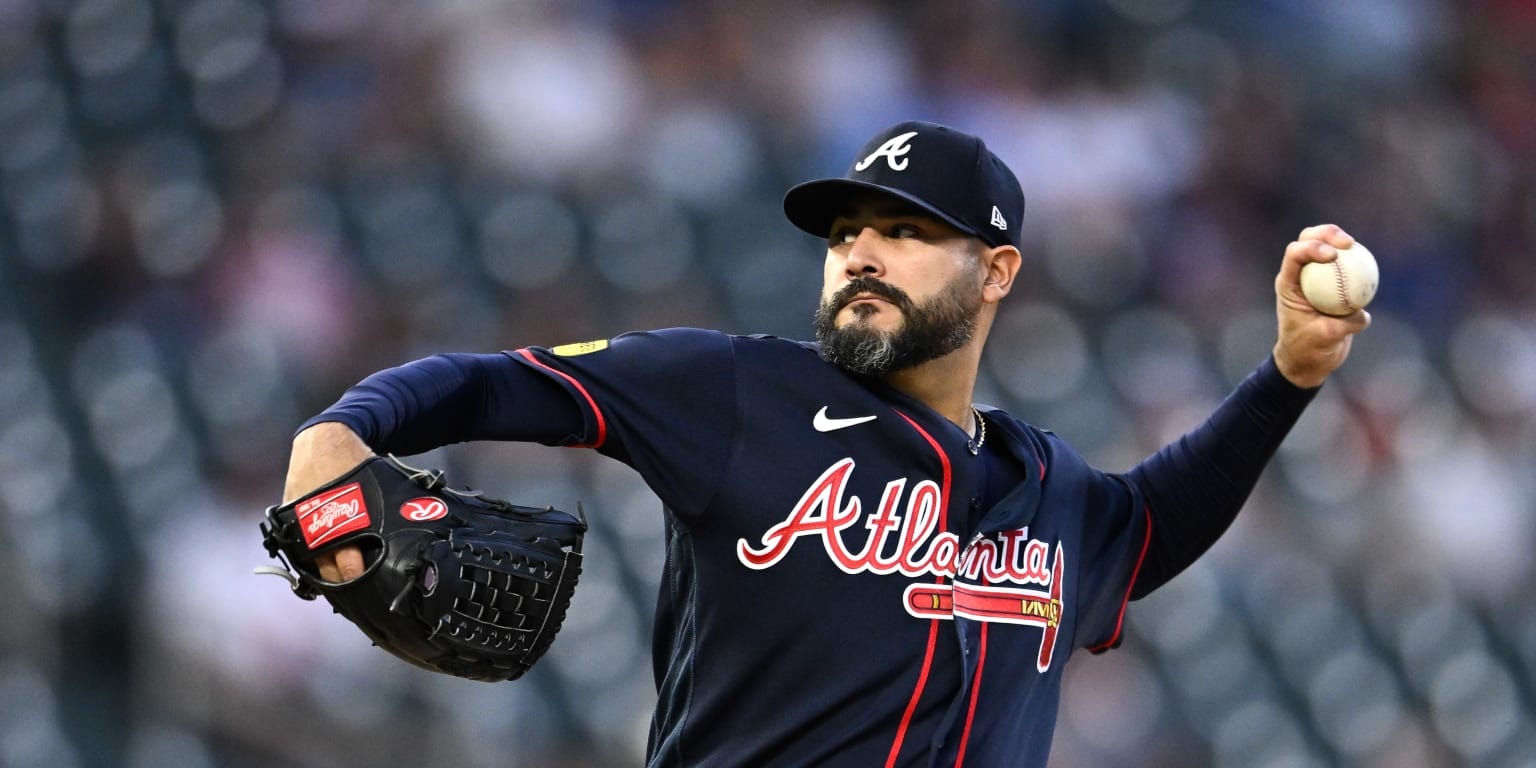
Martín Pérez shakes off an early hiccup after 51-minute delay, but Braves fall to Twins in opener
A weather delay at Target Field pushed the Braves into a quick deficit, and even as Martín Pérez settled in after a shaky first inning, the road club could not turn the momentum. The series opener ended with Atlanta on the wrong side of the final.
With a 51-minute weather delay at Target Field, the Braves and Twins finally got moving again Monday night, and the long pause did not start cleanly for Atlanta. Before the home half of the first inning even fully unfolded, the Braves were already chasing the game, a setup that put additional pressure on their veteran left-hander Martín Pérez.
Entering the matchup with a recent run of frustration behind them, Atlanta had been riding an 18-inning scoreless streak, a stretch that raised the stakes for every plate appearance against Minnesota. From the start, Pérez was tasked with holding that situation together while the Braves worked to prevent the game from widening early.
According to the Braves’ game recap, Pérez ran into trouble immediately, a “first inning stumble” that forced Atlanta to defend against early momentum from the Twins. The key swing of the outing, though, was what came after, as Pérez recovered and avoided letting that opening problem define the start.
Pérez eventually delivered a steadier, more controlled look from the mound. The recap credits him with a solid stretch that carried through five innings, giving the Braves a chance to regroup offensively and keep the deficit from becoming unmanageable as the night progressed.
For a team coming in trying to stop a scoring drought, the value of a veteran starter’s ability to reset after an early miscue is more than the box-score line. By staying in the game after the early stumble, Pérez provided Atlanta innings that can matter in late-season baseball when managers are trying to balance bullpen availability with daily matchups.
What to watch next is how Atlanta responds to both the delay disruption and the pitching reset. The series continues with the Braves needing to produce timely offense sooner, especially after an opener that began with them already behind and then featured a starter who recovered enough to keep the game within reach for stretches.
For Minnesota, the immediate benefit was that early leverage, created before the first inning fully played out, combined with enough separation to win the opener. For Atlanta, the storyline is less about the single start and more about ending the larger pattern that brought them into the game with their prolonged scoreless stretch.
As the clubs move deeper into the series, the Braves will likely be looking for their starters and lineup to synchronize better after weather interruptions, and the Twins will look to repeat the early pressure that began the game before it even felt like it had properly started.
Why It Matters
- Weather interruptions can change a game’s rhythm, and this one set up an early, high-leverage start for the Twins.
- Ending prolonged scoring droughts often depends on how quickly a team can capitalize after falling behind, especially in the first inning.
- A starter’s ability to recover after an early stumble can be crucial to bullpen management in a late-season matchup.
- The opener’s tone sets the urgency for the next games in the series for both teams’ pitching and lineup adjustments.
Sources
Key Facts
- A 51-minute weather delay at Target Field delayed the series opener between the Braves and Twins.
- Martín Pérez, the Braves’ veteran left-hander, experienced trouble in the first inning.
- The Braves were trying to end an 18-inning scoreless streak entering the game.
- The Braves’ recap credits Pérez with settling in and pitching five innings.
- The game ended with Atlanta losing to Minnesota in the series opener.