
THE APEX TIMES
Mason Montgomery leans into a two-seam fastball to sharpen an already high-octane Pirates left-hander
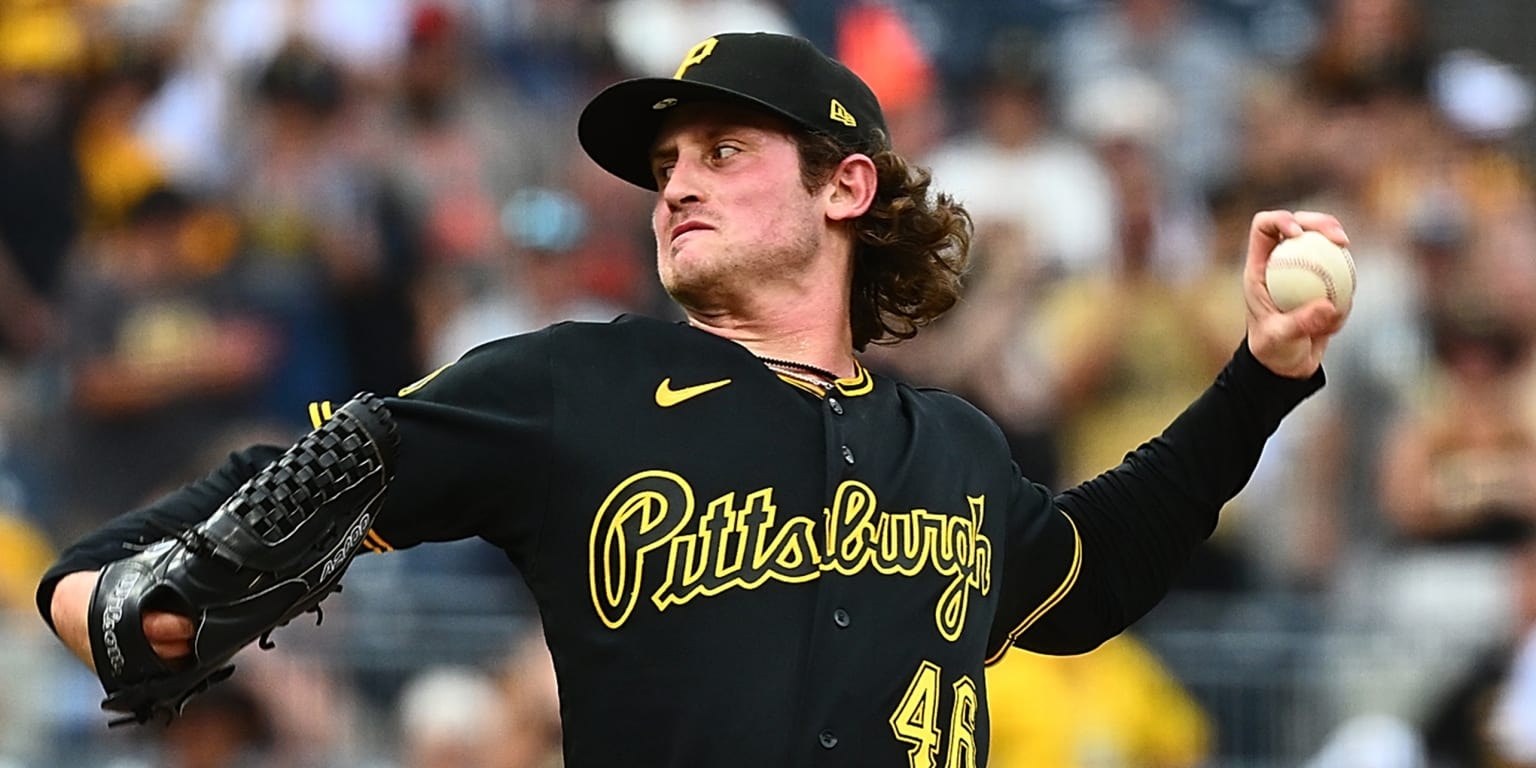
Pirates pitching coach Billy Murphy encouraged Mason Montgomery to add a two-seam fastball to an arsenal that already features a four-seam fastball that reaches 100 mph, plus off-speed pitches built for swings and misses.
In Pittsburgh, Mason Montgomery has never been short on tools. On a recent appearance-focused MLB team story, the Pirates described how the left-hander’s pitch repertoire has been built around velocity and variety, including a 100 mph four-seam fastball, a slider, a curveball, and a changeup. Now, that mix is getting one more key ingredient: a two-seam fastball, a pitch that his pitching coach, Billy Murphy, believes can make the rest of his arsenal play even more effectively.
The development is rooted in a conversation Montgomery points back to his time in Colorado. The idea, as described in the MLB report, came from Murphy, who felt the two-seam fastball could add a different kind of movement to Montgomery’s plan. Where a four-seamer typically emphasizes pure velocity and ride, a two-seamer often plays more like a weapon for shaping at-bats, especially when hitters are looking to adjust to hard heat and breaking balls.
Montgomery’s current profile, per the Pirates’ description in the MLB story, includes a fastball that can reach triple digits, plus three separate off-speed options. That matters because a two-seamer is not simply “another fastball,” it is a way to give a pitcher more routes to the same outcome. If the four-seamer is meant to demand respect upstairs, the two-seamer can help widen the strike zone through movement and arm-side run, offering a different visual cue without requiring Montgomery to change his delivery.
From a matchup standpoint, adding a two-seam can also influence how a hitter sets their feet and reads the baseball. When a pitcher has both a four-seam and a two-seam that look similar out of the hand, the batter’s job becomes harder, because the pitch that arrives in the zone is not the one they expected based on the last similar pitch. The Pirates’ framing of the move emphasizes exactly that, pairing a new fastball look with an existing arsenal designed to keep hitters off-balance.
There is also an operational upside for pitchers when they expand the “fastball bucket” rather than relying solely on one type of heater. With multiple fastball variations, a pitcher can potentially calibrate how hard they throw on any given pitch, how they sequence, and how they manage fatigue without completely departing from what hitters have already begun to track. The MLB story centers on Murphy’s belief in the two-seamer’s value, but the broader logic is consistent with why many pitching staffs encourage adding movement-oriented fastballs alongside pure-velocity offerings.
For Montgomery, the immediate next test is how effectively the two-seam integrates into his standard sequences. The pitch is most useful when it is used with intent, not as a placeholder, meaning it needs to show enough consistency in location and shape to earn swings-and-misses and, just as importantly, to help set up his breaking ball and changeup. If he can connect it to the same at-bat themes that have already made his slider, curveball, and changeup effective, the two-seam could turn his reputation for speed into something more difficult for hitters to anticipate.
For Pirates fans, the watch list is straightforward: whether the two-seam becomes a regular third pitch in his hands-down plan, and whether batters change their approach against him as a result. If Murphy’s theory holds, the two-seam will not replace what already works, it will make those existing pitches feel sharper and more punishing, because hitters will have one more variable to solve before the count swings toward contact or a chase.
As August continues, Montgomery’s progress will be measured less by the presence of a new pitch in theory and more by how it shows up in real at-bats. The MLB write-up makes clear what is on the table, and it gives a specific reason for the change: Murphy’s belief that a two-seam fastball can elevate an arsenal anchored by 100 mph velocity and diversified breaking stuff. The next step is proving that elevation pitch-by-pitch.
Why It Matters
- Adding a second fastball type can change hitter timing, especially when a four-seam already commands late count respect.
- A well-integrated two-seamer can improve sequencing, helping a pitcher set up his breaking ball and changeup more effectively.
- For a team’s rotation and bullpen planning, expanded pitch options can support flexibility across high-leverage innings.
- If Montgomery’s two-seam catches on, his overall scouting profile becomes harder to attack with a single adjustment.
Key Facts
- Mason Montgomery is a left-handed pitcher for the Pittsburgh Pirates.
- The MLB report describes Montgomery’s arsenal as including a four-seam fastball that can reach 100 mph, plus a slider, curveball, and changeup.
- Pirates pitching coach Billy Murphy suggested Montgomery add a two-seam fastball.
- Montgomery discussed the idea as originating during his time in Colorado.
- The MLB story frames the two-seam as a way to make Montgomery’s overall pitching more dangerous.