
THE APEX TIMES
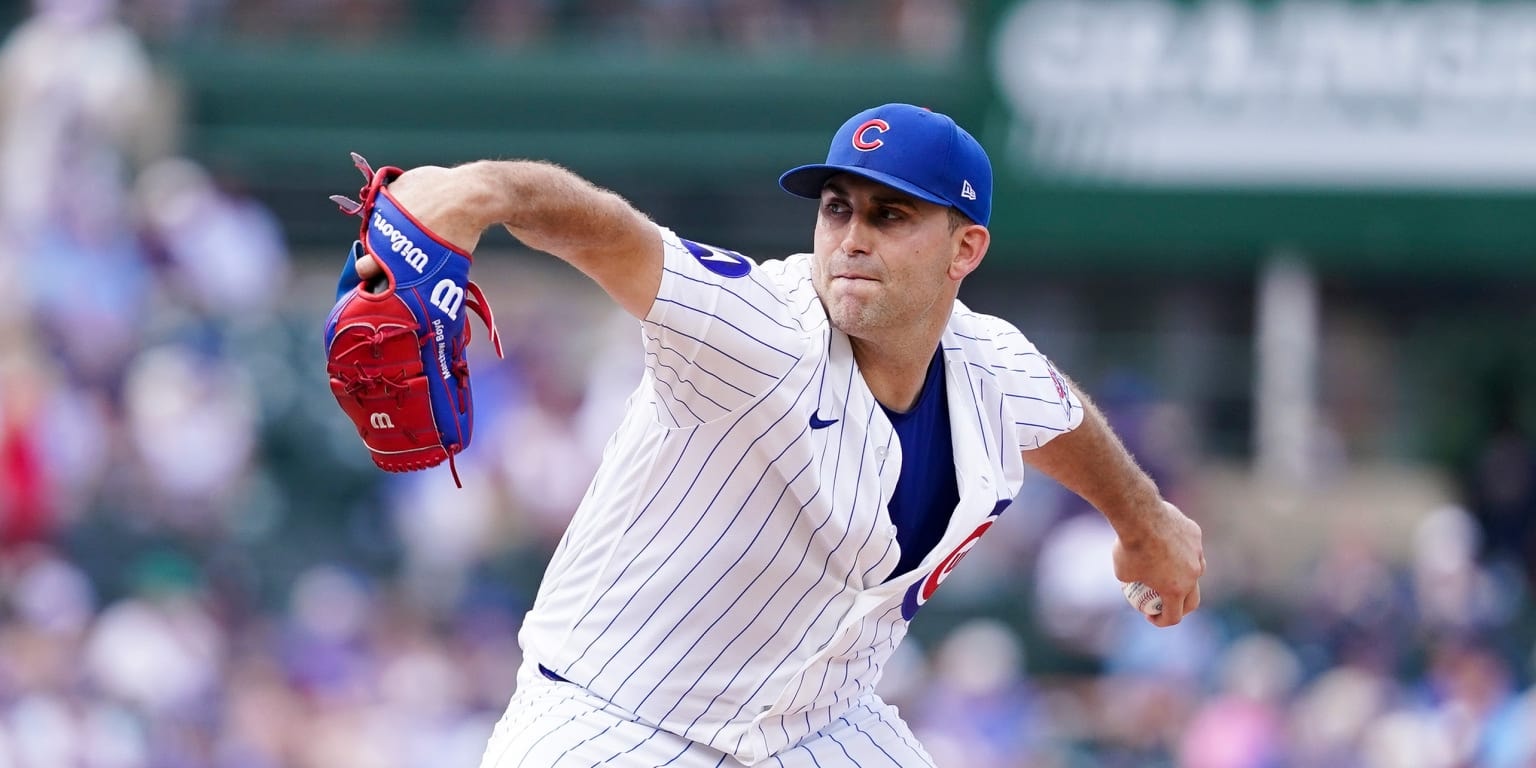
Matthew Boyd reaches 10 years of MLB service time, recalling Justin Verlander’s milestone
A decade of service time is usually measured in paperwork and contractual thresholds, but for Matthew Boyd it also brought back memories of a similar celebration with Justin Verlander during their time together with the Detroit Tigers in 2015.
On July 18, 2026, Matthew Boyd marked a personal milestone that very few players reach without taking the long way around. Boyd, currently with the Chicago Cubs, has reached 10 years of MLB service time. In an MLB feature tied to the Cubs, Boyd reflected on what it means to officially arrive at a mark he once only watched happen to someone else, namely Justin Verlander.
Boyd’s memory runs back to 2015, when he and Verlander were teammates with the Detroit Tigers. The moment Boyd recalled was watching Verlander reach 10 years of service time, a milestone that carried the weight of a career already standing on major-league gravity. Boyd described that day as something he did not think he would ever experience himself, even while observing the accomplishment close at hand.
There is a particular emotional logic to that kind of recollection. Service time is not typically discussed in the daily rhythms of spring training or the immediate demands of a start or a bullpen session. It is a baseball concept that exists in the background, shaping player status over time. But reaching the 10-year threshold is also a human event, one that forces a player to step back and recognize how long the journey has actually been.
From a roster-building perspective, MLB service time milestones can influence how teams think about the value of experience and the structure of a player’s career. Once a pitcher, position player, or any other roster regular accumulates enough years, it can change how teams and players negotiate the future, even when both sides remain focused on the present. Boyd’s comments illustrate that what looks like a line item on a timeline is, to the athlete, a summary of years spent preparing for the next opportunity.
In the Cubs feature, Boyd also connected the moment to the quality of Verlander’s career. Verlander was not merely reaching a number, Boyd said in effect through his recollection, but acknowledging an accomplishment associated with a player widely viewed as a potential future Hall of Famer. That comparison matters because it frames the service-time marker as more than just longevity. It becomes a proxy for staying power at the highest level.
Boyd’s milestone also highlights a common truth about MLB careers: the path to a decade rarely unfolds in a straight line. Many players spend seasons adjusting to roles, learning to survive matchups, and navigating the constant churn that comes with professional baseball. Reaching 10 years of service time means a player has remained on major-league rosters long enough to be counted among the league’s established veterans, even as performance and usage can vary.
For the Cubs, Boyd’s milestone is primarily a personal checkpoint, not an on-field storyline by itself. Still, it adds texture to how the team experiences this phase of the season, because it places one of their pitchers in a category that reflects sustained major-league value over time. The next question for fans is how Boyd’s experienced approach continues to evolve as he adds years onto a career measured not only in innings and results, but also in the tenure required to get to this specific threshold.
As Boyd celebrates the arrival at 10 years of service time, the more striking element is the circle he drew between his present and a moment he watched from the outside. In 2015, he was a teammate looking at Verlander’s career timeline. Now he is the one reaching it, acknowledging how quickly a “someday” becomes “here.”
Why It Matters
- Service time is one of the background mechanisms that shapes how MLB careers progress, and hitting 10 years marks a meaningful shift in a player’s professional status.
- Boyd’s recollection ties the service-time threshold to leadership and example, showing how veteran milestones influence younger teammates’ expectations.
- For a Cubs fanbase, the moment adds a long-view element to the season, emphasizing accumulated major-league experience rather than short-term results alone.
Key Facts
- Matthew Boyd reached 10 years of MLB service time, according to an MLB report associated with the Chicago Cubs.
- Boyd’s reflections looked back to 2015, when he and Justin Verlander were teammates with the Detroit Tigers.
- Boyd described watching Verlander reach 10 years of service time and saying he did not expect to experience that moment himself.
- The MLB feature frames Verlander’s milestone as a career accomplishment with Hall of Fame-level significance.
- The report is published in conjunction with the Chicago Cubs news area.