
THE APEX TIMES
Matthew Stafford credits Sean McVay’s family-first flexibility for keeping him from retiring
The Los Angeles Rams quarterback said his head coach’s approach to balancing football and personal time changed his retirement plans.
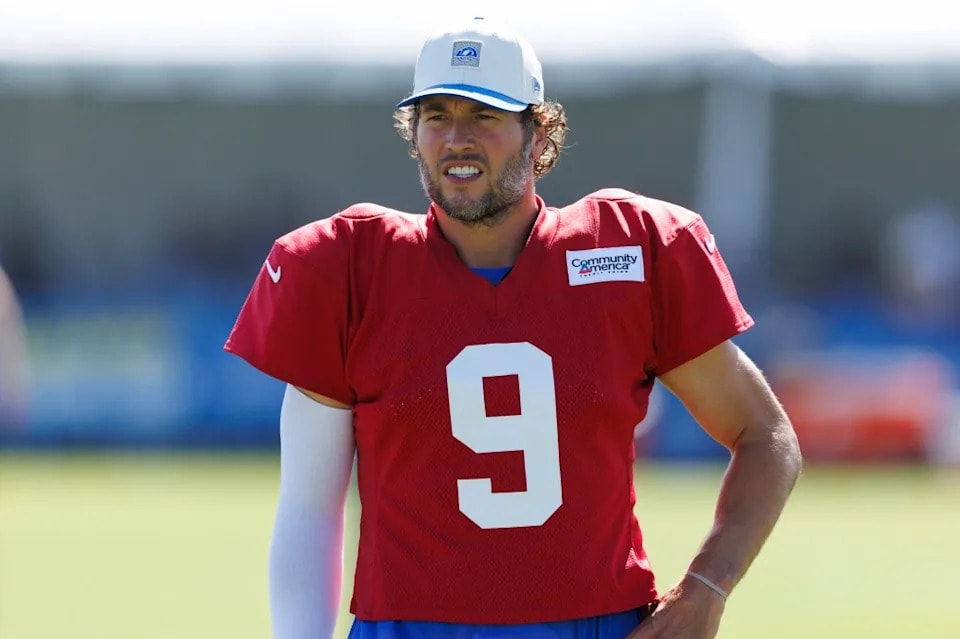
Los Angeles Rams quarterback Matthew Stafford said he would have retired sooner if not for head coach Sean McVay’s willingness to build flexibility into his routine and protect time with his family. Stafford, who is listed as the reigning NFL MVP in the report, described the decision not as a sudden change of heart, but as the kind of coaching accommodation that makes a long NFL career sustainable.
Stafford’s comments underscore the underappreciated role that schedule control and day-to-day planning can play for veteran quarterbacks. Even when players remain productive and motivated, the cumulative grind of travel, meetings, preparation, and recovery can change what “enough” looks like. In Stafford’s account, McVay’s management style helped address that pressure in a personal way, rather than simply asking him to keep pushing.
McVay, now one of the league’s most prominent young coaches, has often been associated with modern offensive thinking and a detailed approach to play calling. But Stafford’s revelation shifts the emphasis from scheme to relationship, portraying the coach as someone who understood not only football performance but also the human limits that come with sustained elite expectations.
For the Rams, that matters because a quarterback like Stafford is not only the face of the offense, but also the center of gravity for timing, protections, and communication. When a team relies on an experienced passer, continuity becomes more than a feel-good idea, it is a practical advantage. Reports of retirement consideration, even if they do not become official decisions, can still affect how a franchise plans the future.
Stafford has already taken a path that places him among the NFL’s most accomplished contemporary quarterbacks, and the report frames him as still operating at a high enough level to be recognized as the league’s reigning MVP. That kind of stature tends to raise both the spotlight and the decision burden, because the league expects stability, and the player is constantly asked to confirm he can endure.
At the same time, this is not a story about a formal announcement or a roster change. What Stafford described is a “would have” scenario, anchored to the idea that coaching flexibility changed his calculus. As training camps and the regular season approach, the Rams will likely continue focusing on preparation and performance, while Stafford’s comments provide context for why he has remained in the game when the temptation to step away has been present.
What to watch next is less about retirement headlines and more about how the Rams manage quarterback workload and leadership responsibilities. If McVay’s approach continues to support Stafford’s off-field priorities while maintaining on-field standards, it could reinforce the kind of operational stability that teams want from a veteran quarterback window. For fans, the takeaway is simple: the longevity battle in the NFL is rarely only about talent, it is also about what the team and coach allow the player to keep outside the facility.
For now, Stafford’s remarks remain a personal explanation for his staying power, not a detailed timeline of future contract terms or long-term retirement plans. The essential sports point is that coaching style can shape career decisions, and the Rams are benefiting from a relationship that, at least in Stafford’s telling, helped delay the endgame he once considered.
Why It Matters
- Veteran quarterback decisions influence long-term roster planning, leadership expectations, and offensive continuity.
- Coach flexibility can be a competitive factor by helping a star maintain career sustainability.
- If Stafford remains motivated and settled, it reduces uncertainty at the most important position on the field.
- The story highlights that NFL longevity often depends on support systems as much as on performance.
Key Facts
- Matthew Stafford said he would have retired sooner if Sean McVay had not provided flexibility for time with his family.
- The report describes Stafford as the reigning NFL MVP.
- The comments center on coach-player management and balancing football with personal life.
- The Rams are the team associated with Stafford and McVay in the report.
- This is presented as an explanation for retirement intentions, not as a formal retirement announcement.