
THE APEX TIMES
Mattingly: Painter is getting chances, but the Phillies need results
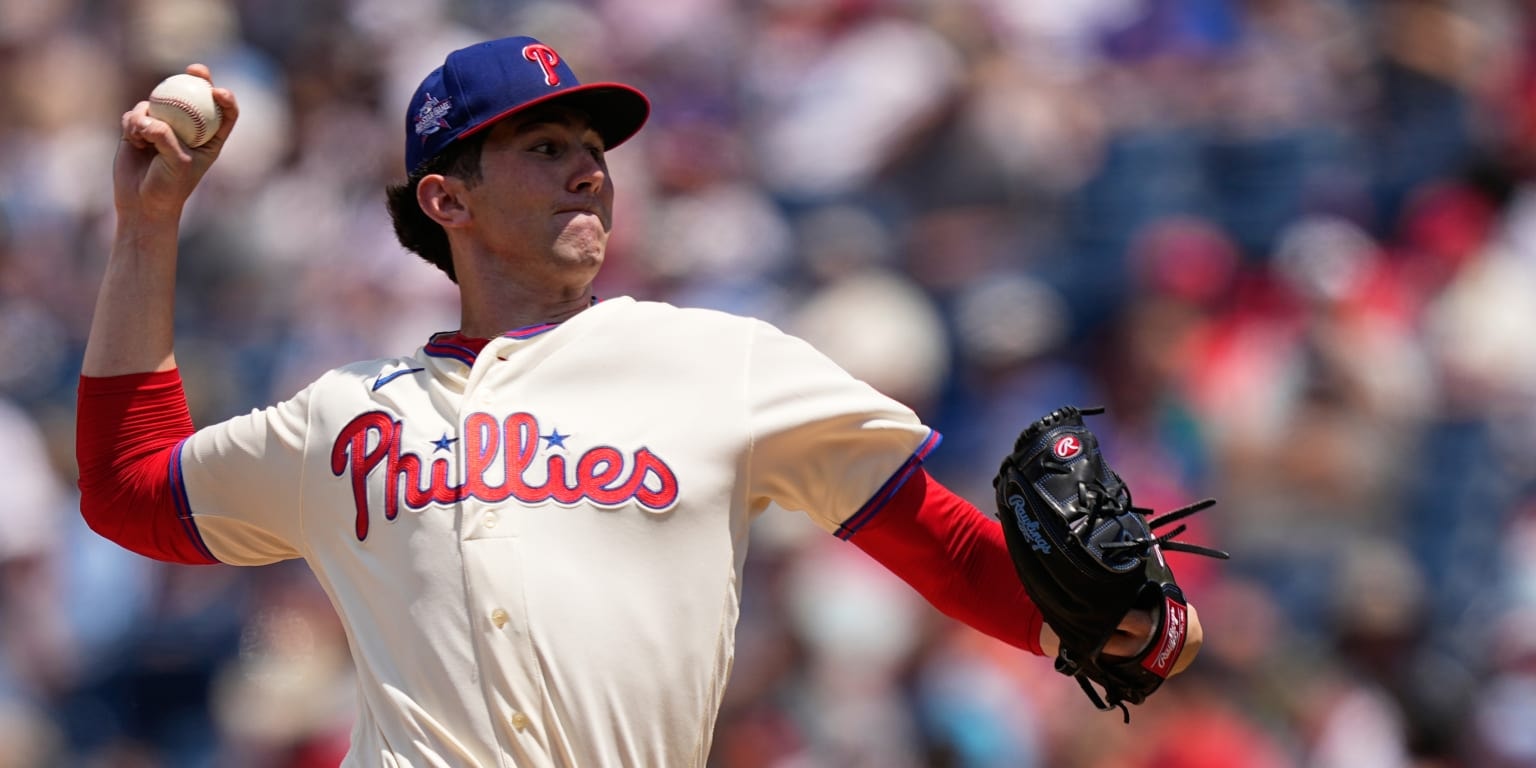
Andrew Painter’s growing pains have stayed visible in Philadelphia’s rotation, and interim manager Don Mattingly made clear that no one is owed a long leash, even when the club has decided to keep developing him.
The Phillies are continuing to look for Andrew Painter to take the next step, but interim manager Don Mattingly framed the message as conditional. After another rough outing that came in a Phillies loss to the Marlins, Mattingly emphasized that Painter’s opportunity is real, yet not open-ended. The rotation spot, Mattingly’s comments suggest, is earned through performance, not granted by circumstance.
Mattingly’s broader point was blunt: the Phillies do not expect patience to replace execution. “It’s not like you just get endless chances,” he said earlier this month, according to the team’s reporting. He followed that with the standard big-league standard, “You have to perform.” In other words, the club can believe in a player’s long-term value while still making decisions based on what happens on the mound today.
Painter, a rookie given a chance to establish himself at the top level, has seen a mostly tumultuous start to his major-league work. The Phillies’ decision to keep running him out reflects a common approach with young pitchers who are still calibrating command, pacing, and pitch sequencing. But the Mattingly remarks also underline that developmental time has limits, especially for a team trying to win consistently rather than simply evaluate.
Philadelphia’s stance matters because it sets the operating tone for the entire pitching staff. When a manager publicly stresses that opportunities are not guaranteed, it carries through to every rotation role, bullpen bridge outing, and spot-start scenario. Teams often manage young talent with internal targets, but the public line can affect how the clubhouse interprets their priorities during a given stretch of games.
The Phillies loss to the Marlins put that pressure into the immediate present. While the reporting centers on Painter’s struggles continuing, the team’s handling is the more revealing storyline: Philadelphia is not treating the situation as resolved. The organization appears willing to stay the course with Painter, yet Mattingly’s wording indicates that the “course” includes measurable improvement, not simply additional innings.
For Painter, the challenge going forward is to convert opportunity into stability. In practical terms, that usually means demonstrating enough control and competitive strike-throwing to keep his team from having to chase at-bats after pitch-by-pitch difficulties mount. If he can show that kind of day-to-day readiness, the “chances” Mattingly referenced can extend beyond isolated starts; if not, the Phillies can still respond by adjusting roles or plans.
For Philadelphia, the next watch item is whether the club’s confidence translates into tangible progress that changes how they manage the rotation. Mattingly’s comments suggest that the organization will keep a close eye on results while Painter is in the spotlight, and it also implies that other pitcher options could become more prominent if the pattern does not improve quickly.
In the meantime, Mattingly’s message serves as the clearest summary: development is a process, but the major leagues are performance-based. Painter will receive chances, but Philadelphia’s patience is paired with accountability, and his next starts will determine whether this stretch becomes a turning point or another chapter in a difficult adjustment period.
Why It Matters
- A young starter’s development affects not only his own workload, but how Philadelphia structures the rest of the pitching staff.
- Public comments about performance expectations can change how quickly teams pivot between patience and tactical adjustments.
- Painter’s next outings could influence how long the Phillies stay in a “development-first” posture versus “results-now” decision-making.
- The rotation spot being treated as non-guaranteed underscores that every start has playoff-relevant weight as the season progresses.
Key Facts
- The Phillies have continued to give Andrew Painter major-league opportunities despite struggles in his rookie stretch.
- Interim manager Don Mattingly said earlier this month that chances are not “endless” and that a pitcher must “perform.”
- Mattingly made the remarks in connection with Painter’s ongoing difficulty in the rotation.
- The team’s reporting ties Painter’s situation to another Phillies loss to the Marlins.
- The Phillies’ message frames roster roles as earnable based on game performance rather than guaranteed time.