
THE APEX TIMES
Max Clark works a 12-pitch duel with Guardians closer Cade Smith, but the Tigers fall
A first look at Max Clark’s power and pitch recognition in Spring Training became a signature moment again, this time in a 12-pitch at-bat that ended up defining the final look some fans got of him at the plate.
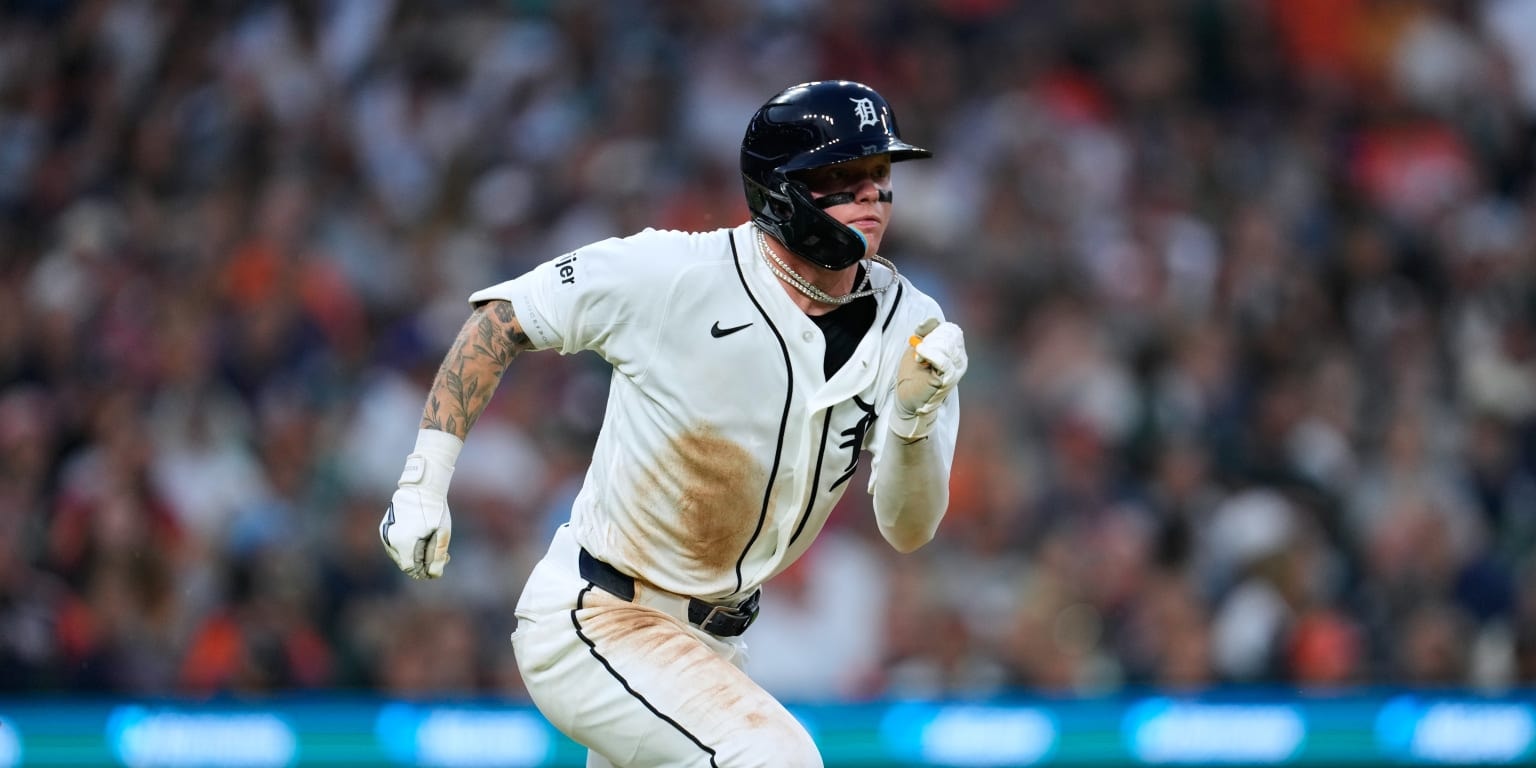
Detroit did not get the ending it wanted on Wednesday, but it did get a spotlight swing in the form of Max Clark’s 12-pitch at-bat against Guardians closer Cade Smith. The sequence captured what the Tigers are trying to build as much as any single pitch did, because it showed a young hitter capable of turning the highest-leverage moments into a long, strategic battle rather than an automatic outcome.
The contrast in Clark’s approach is part of the story’s appeal. In the earlier “Spring Breakout” look that drew attention, the now-MLB Tigers prospect reacted with wide-eyed surprise after seeing a 102 mph fastball from Pirates prospect Seth Hernandez on the game’s first pitch. Wednesday provided a different kind of reaction, one rooted in timing and adjustment: Smith’s first pitch, clocked at 100 mph, was fouled off, then Clark checked and reset before digging back in.
According to the Tigers account, Clark’s at-bat with Smith stretched through 12 pitches, a small sample that still carries weight because closers are typically deployed to end innings quickly and limit damage. A long at-bat against that profile does not guarantee a rally, but it does force the bullpen ace to show more of his repertoire, consumes pitches that cannot be reclaimed, and raises the possibility of mistake-making when the count is already working in the hitter’s favor.
For Smith, the challenge was to maintain command through a battle that immediately moved beyond the first-pitch reaction. Clark’s ability to get something back after the opening foul indicates that he is not simply living on speed or on-name recognition. Instead, the at-bat described here suggests he can survive the first look, take a moment, and then refocus as the pitcher searches for the next best option.
The Tigers’ loss ultimately mattered more than any individual stat line. Still, performances like this tend to be where fans and evaluators look for confirmation that a prospect is ready to handle the pace, the velocity, and the mental pressure of late-inning baseball. In the modern game, contact is expected from more players than ever, so the differentiator often becomes whether a hitter can extend the at-bat and make pitchers work to clear the inning.
Clark’s history against elite velocity is still being written, but this one moment gives a clear reference point. The “wide-eyed” reaction from Spring Breakout became a controlled, deliberate reset against a 100 mph first pitch in July or August (about four and a half months later, per the Tigers’ report). That kind of timeline is exactly what development tracks look like when they are working: first the shock of the speed, then the habit of adjusting to it.
If the Tigers are going to get value from Clark’s time in games, the next question is whether the 12-pitch at-bat turns into repeatable plate appearances of the same type, not just occasional runs against hard throwers. The watch will be whether Clark can keep extending innings late, even when the final result is still on the wrong side of the scoreboard. For Smith, the watch will be whether the closer remains effective against hitters who no longer treat the first-pitch fastball as a report to comply.
For now, Detroit’s night came down to a loss, but it also came with an at-bat that suggested the matchup instinct is there. When a prospect can force a closer into a lengthy engagement, it is a reminder that “breakout” moments are not just about one viral pitch, but about what a hitter learns after the first time the speed arrives.
Why It Matters
- Long at-bats against closers can reshape late innings by raising pitch counts and testing bullpen execution.
- Clark’s ability to adjust after an initial 100 mph first pitch points to growing comfort with elite velocity and late-game pressure.
- For Detroit, standout prospect plate battles can help clarify whether a hitter’s development is transferring from training to major-league leverage moments.
- For Cleveland, a 12-pitch engagement against a young hitter can serve as a tactical test, even if the final outcome still favors the bullpen’s mission.
Key Facts
- Max Clark had a 12-pitch at-bat against Guardians closer Cade Smith in Wednesday’s game.
- The report describes Smith’s first pitch as a 100 mph fastball that Clark fouled off.
- Clark looked out and dug in after the foul, continuing the at-bat through 12 pitches.
- The article contrasts Wednesday’s reaction with Clark’s earlier Spring Breakout look, when he saw a 102 mph fastball from Pirates prospect Seth Hernandez on the game’s first pitch.
- The earlier Spring Breakout moment drew viral attention for Clark’s initial reaction, described as wide-eyed.
- The article frames the 12-pitch at-bat as pivotal within the context of the Tigers’ loss.