
THE APEX TIMES
Max Holloway says Conor McGregor “didn’t seem like the same Conor” even before UFC 329 injury
Holloway, speaking after UFC 329, suggested McGregor looked different prior to an immediate stoppage issue in the fight, framing the result as an unexpected swing in their long-running narrative.
Max Holloway’s message after UFC 329 was that the version of Conor McGregor he saw in the lead-up did not resemble the fighter people had built their expectations around. Holloway, who had been seeking to “even” a score in their matchup, said McGregor “didn’t seem like the same Conor” even before the injury that ultimately altered the course of the bout.
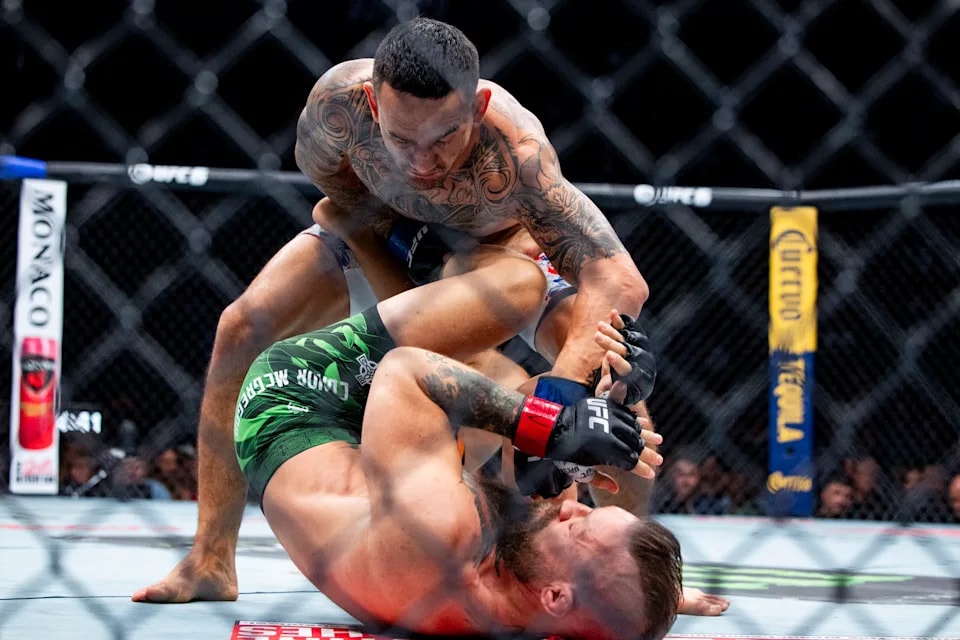
UFC 329 ended up feeling less like a clean rivalry chapter and more like an abrupt interruption. According to the account published by Yahoo Sports, McGregor injured himself immediately against Holloway during the event, changing how the fight could be played out and forcing an unplanned conclusion rather than a typical progression of rounds, strategy adjustments, and momentum swings.
Holloway’s broader point was not limited to the moment of the injury. He suggested that the warning signs appeared earlier, describing how McGregor looked and performed in ways that did not match the established reference of the matchup. In other words, the decisive turn was already present, even if the extent of it would not be fully revealed until the fight itself stopped.
For Holloway, the fight carried extra weight because of the symbolism of the rivalry. McGregor and Holloway are among UFC’s most recognizable modern strikers, with the kind of star power that makes any matchup feel bigger than a standard contest. Even when the technical details are different, the matchup style and public imagination tend to revolve around one fighter landing the defining sequence and controlling the rest of the fight. Holloway’s comments suggested he never got the chance to chase that more familiar version of the battle.
There is an important caveat in how these remarks should be understood. Holloway’s framing focuses on the appearance and feel of McGregor leading in, but without additional medical or event-production specifics, the statement does not establish what caused the injury or how it developed. In combat sports, “didn’t seem the same” can describe many things, including timing, mobility, or preparation, and it does not automatically translate into a medical diagnosis.
Still, the comments reinforce the idea that UFC 329’s storyline diverged from what fans expected. The result gave Holloway an answer to the rivalry narrative, but it also left questions about how much of the matchup’s intended chess game ever existed once the injury occurred.
Looking ahead, what matters most is how the UFC positions Holloway’s next step and whether McGregor’s camp provides more detail about the circumstances surrounding the injury. Holloway has positioned himself as a high-volume, pressure-heavy striker who can make fights drag opponents into his rhythm, and the division continues to weigh experience and momentum as it builds toward its next set of marquee matchups. Whether UFC 329 becomes a springboard or a footnote will depend on what comes next for both fighters, and how fully the league and the athletes close the loop on what happened in the ring.
Why It Matters
- Rivalry-driven matchups often hinge on continuity, and Holloway’s comments suggest the continuity was disrupted before the injury became decisive.
- When a fight ends differently than expected, it can reshape how the division measures momentum and who the next title-leaning contenders appear to be.
- McGregor’s image as a sharp, repeatable performer can take a reputational hit when fighters or coaches describe an off-version showing before a stoppage.
- Holloway’s path forward may depend on whether the UFC treats UFC 329 as a complete resolution or a disrupted chapter that needs a rematch or clarification.
Sources
Key Facts
- Max Holloway said Conor McGregor “didn’t seem like the same Conor” even before the UFC 329 injury.
- The Yahoo Sports report characterizes McGregor as injuring himself immediately against Holloway during the event.
- Holloway’s comments were tied to his attempt to “even” the score with McGregor.
- UFC 329’s ending is presented as an unexpected change from a matchup that fans expected to play out more normally.