
THE APEX TIMES
Mets’ 103.9-mph outfield assist, plus Carson Benge’s double throw-out at home, fuels 2-1 win over Padres
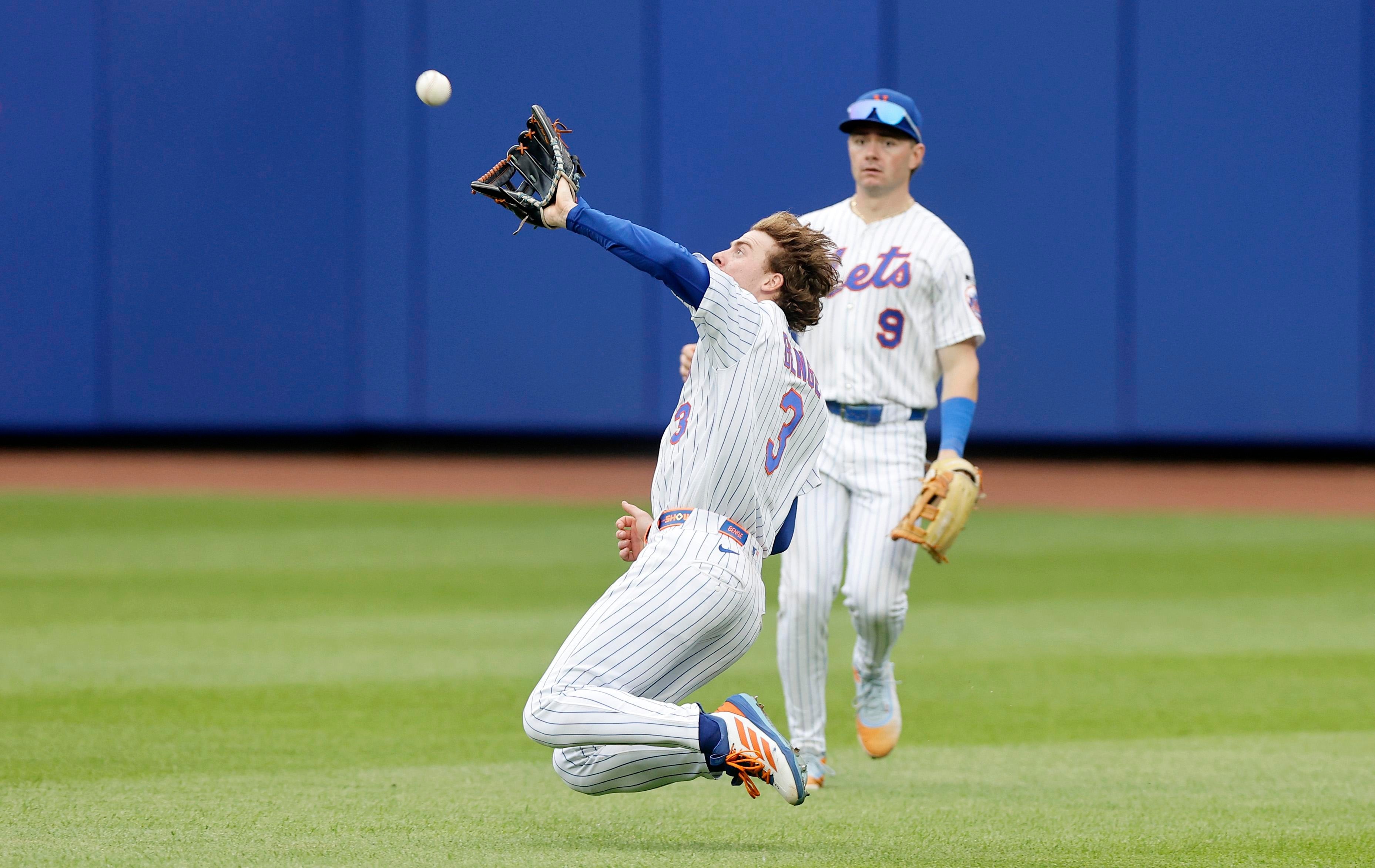
New York turned a tight game into a highlight package Tuesday, from Carson Benge throwing out two runners at home in the same first inning to an outfield assist clocked at 103.9 mph.
The New York Mets picked up a 2-1 victory over the San Diego Padres, extending their streak to four straight wins. The final margin was slim, but the kind of plays that can separate close games showed up early, starting with Carson Benge’s unusual two-for-two at the plate.
In the first inning, Benge threw out two different runners attempting to score. According to the Mets Morning News notes, it was the first time a Mets player has thrown out two runners at home in the same inning, a feat that immediately turned baserunning pressure into outs and removed any momentum the Padres hoped to build.
The defense did not stop there. Later in the game, the Mets recorded a second outfield assist, clocked at 103.9 mph. The report says that number ranks as the third-hardest outfield assist tracked in the Statcast era, underscoring how quickly New York was able to convert live movement into throw-and-tag outs.
A.J. Ewing added another wrinkle to the Mets’ run-prevention by throwing out a runner at home in the second inning. With multiple relays converging on the plate, New York’s infield and outfield communication stood out, especially in a contest where a single extra base can swing leverage.
For the Mets, these are the sorts of defensive sequences that can quietly matter as much as any late-inning run. Against a team like San Diego, taking away extra-base chances early forces the opponent to become more conservative at the bases, and it also reduces the value of rallies built on mistakes rather than clean contact.
The bigger storyline, though, is how the individual plays layered together. Benge’s first-inning precision at the plate, followed by a 103.9-mph relay highlight, suggests the Mets were reading the same tendencies and executing the same escape routes for runners from multiple angles. In a one-run game, those kinds of saved runs are difficult to overstate.
What to watch next is whether New York can turn that defensive form into consistency over longer stretches. The Mets have the momentum of a four-game win run, but sustained success usually depends on keeping baserunners in check while also minimizing the number of high-leverage opportunities opponents create.
If any part of Tuesday’s run comes down to sequencing and timing, the answer will show up soon enough: do the Mets keep producing throw-outs at home at key moments, and does the bullpen and pitching staff benefit from the earlier outs that defense provided? The next games will reveal whether this was a one-night spike or a sign of a repeatable edge.
Why It Matters
- In a one-run game, multiple throw-outs at home reduce rally-ending mistakes and can shift a matchup’s overall run expectancy.
- Benge’s two throw-outs at home in the same inning is an execution-driven rarity that speaks to scouting and readiness by the Mets’ baserunning-read defense.
- A 103.9-mph outfield assist indicates elite arm strength and relay efficiency, both of which can suppress extra-base attempts and stretch run totals.
- Ewing’s additional home-plate throw-out suggests the Mets’ plate coverage was not isolated to a single sequence, improving the team’s ability to neutralize aggressive baserunning.
- For New York, these defensive standouts provide a platform to sustain wins, but the key test is whether the same baserunning denial shows up game after game.
Key Facts
- The Mets beat the Padres 2-1 to extend their win streak to four straight games.
- Carson Benge threw out two runners at home in the first inning.
- The two throw-outs at home in the same inning were described as the first time for a Mets player.
- An outfield assist for New York was clocked at 103.9 mph.
- The report states the 103.9-mph assist is the third-hardest outfield assist tracked in the Statcast era.
- A.J. Ewing threw out a runner at home in the second inning.