
THE APEX TIMES
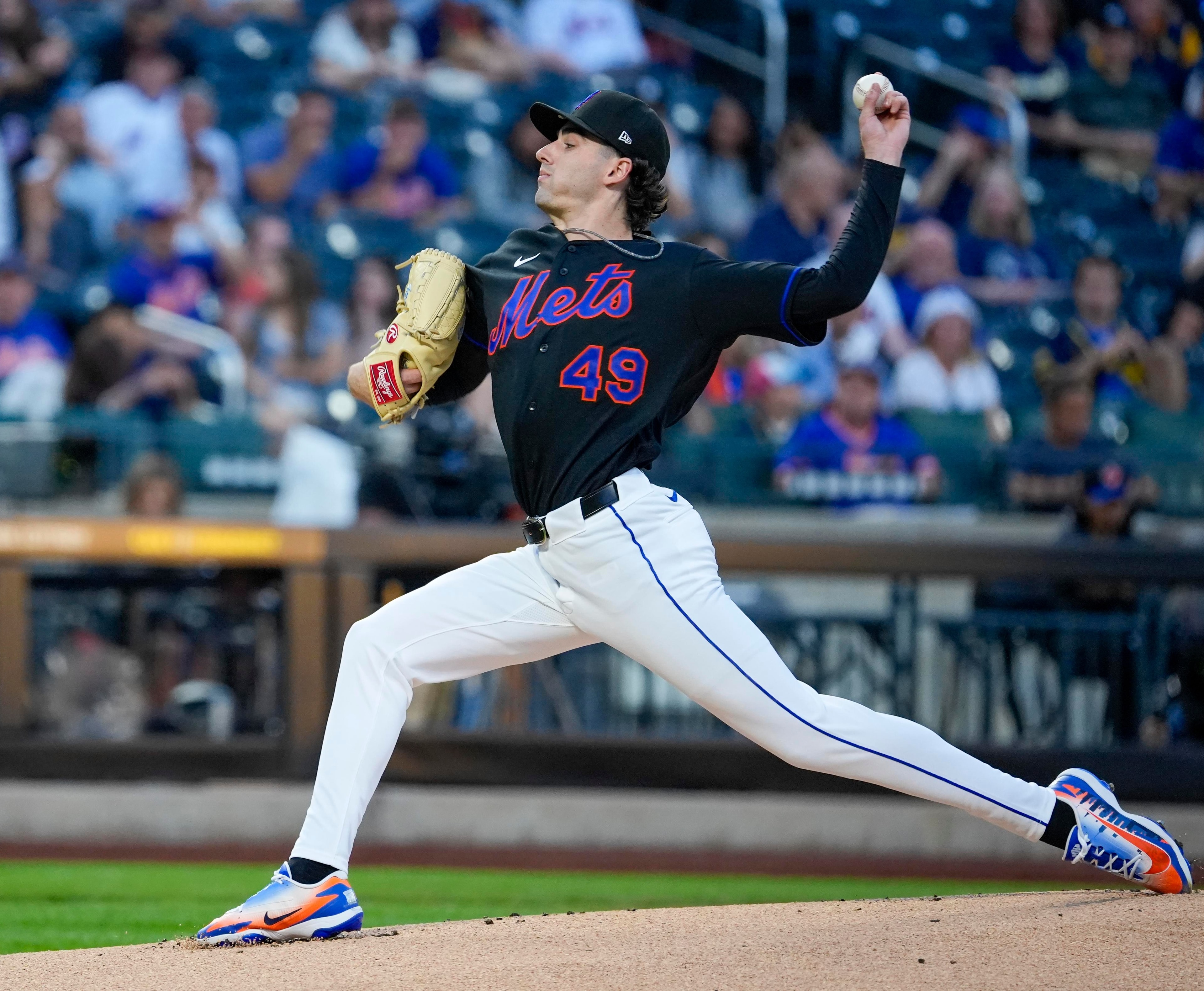
Mets and Astros open the rubber match with Thornton on the mound, Pecko set for Houston
Francisco Lindor anchors Houston’s infield as the Astros counter with a lineup that also features Juan Soto and Bo Bichette, while New York turns to Zac Thornton for the deciding game.
The Mets and Astros head into their rubber game on August 30 with a starting-pitching matchup labeled Thornton vs. Pecko, setting the tone for a winner-take-one finale between two teams accustomed to high-leverage swings in the final weeks of the season. For New York, Zac Thornton’s assignment is straightforward: limit damage early and give the Mets a chance to control the late innings. For Houston, Pecko is tasked with answering Thornton before the Astros lineup can stack baserunners and turn contact into runs.
Houston’s expected lineup reads like a blend of premium athleticism and lineup depth. Francisco Lindor is listed at shortstop, with Juan Soto set as the designated hitter, a configuration that underscores how the Astros plan to manufacture plate appearances that stress pitchers. Bo Bichette is also listed in the order, giving Houston another middle-of-the-diamond bat capable of turning even quiet pitches into scoring opportunities.
The remainder of the Astros card continues the theme of flexible production. Carson Benge is listed at third base, Jared Young at right field, and Luis Robert at first base. In the outfield and additional infield spots, A.J. Ewing (left field) and Marcus Semien (center field) appear in the projected spots, with Luis Torrens listed as the catcher. The lineup construction suggests Houston is prepared to run out a deep set of hitters designed to keep the Mets’ pitching staff working through multiple at-bats rather than relying on one or two key plate appearances.
New York’s side is being shaped around Thornton’s ability to manage the Astros’ order. Rubber games carry a distinct dynamic, and pitching often becomes the main lever because both bullpens are already used heavily in a series context. Even without confirmed inning-by-inning details, the structure of Thornton’s task is clear: if he can keep early innings from turning into extended at-bat marathons, the Mets can preserve leverage for the back end. If he struggles to get ahead in counts, Houston’s featured hitters can force longer innings, which can narrow New York’s margin for error late in the game.
For Houston, the emphasis on Lindor, Soto, and Bichette points to a classic Astros approach: build consistent pressure. Lindor’s presence at shortstop typically matters not only for defensive range but also for how the lineup turns over in scoring situations. Soto as the designated hitter is also significant because it keeps the focus on disciplined at-bats and power-to-gap outcomes, while Bichette adds another bat that can punish mistakes across the zone.
The Mets-Astros rubber game also functions as a reminder of how quickly playoff-style baseball can arrive even in August. With both teams pushing for positioning and momentum, a third game often decides more than just a single series tally. The team that establishes early rhythm on the mound and converts at-bats into consistent pressure is more likely to carry that feel into whatever stretch follows.
What to watch next is whether Thornton can set an early tempo against the Astros’ core hitters and whether Pecko can blunt New York’s ability to string together baserunners. With Houston’s projected order featuring multiple recognizable offensive threats, the deciding factor may come down to pitch location and sequencing in the first few innings, followed by who gets to remain calm while the lineup is in its most dangerous stretches.
Why It Matters
- A rubber game can swing series momentum, particularly when both teams have key bullpen arms used in earlier matchups.
- The Thornton vs. Pecko matchup frames how both teams expect to control high-leverage at-bats early.
- Houston’s lineup composition, anchored by Lindor and Soto and supported by Bichette, is built for sustained offensive pressure rather than isolated power moments.
- For New York, how Thornton manages Astros hitters in the first time through the order can dictate whether the Mets can stay aggressive later.
Key Facts
- The Mets and Astros play the deciding rubber game on August 30.
- Starting pitchers for the game are listed as Zac Thornton for the Mets and Pecko for the Astros.
- Houston’s projected lineup includes Francisco Lindor at shortstop and Juan Soto as the designated hitter.
- Houston’s projected lineup also lists Bo Bichette, Carson Benge, Jared Young, Luis Robert, A.J. Ewing, Marcus Semien, and Luis Torrens.
- The game preview indicates Houston plans a lineup with multiple middle-of-order bats aimed at sustaining pressure.