
THE APEX TIMES
Mets edge Brewers in extra innings after Hamilton’s throw lets Lindor score
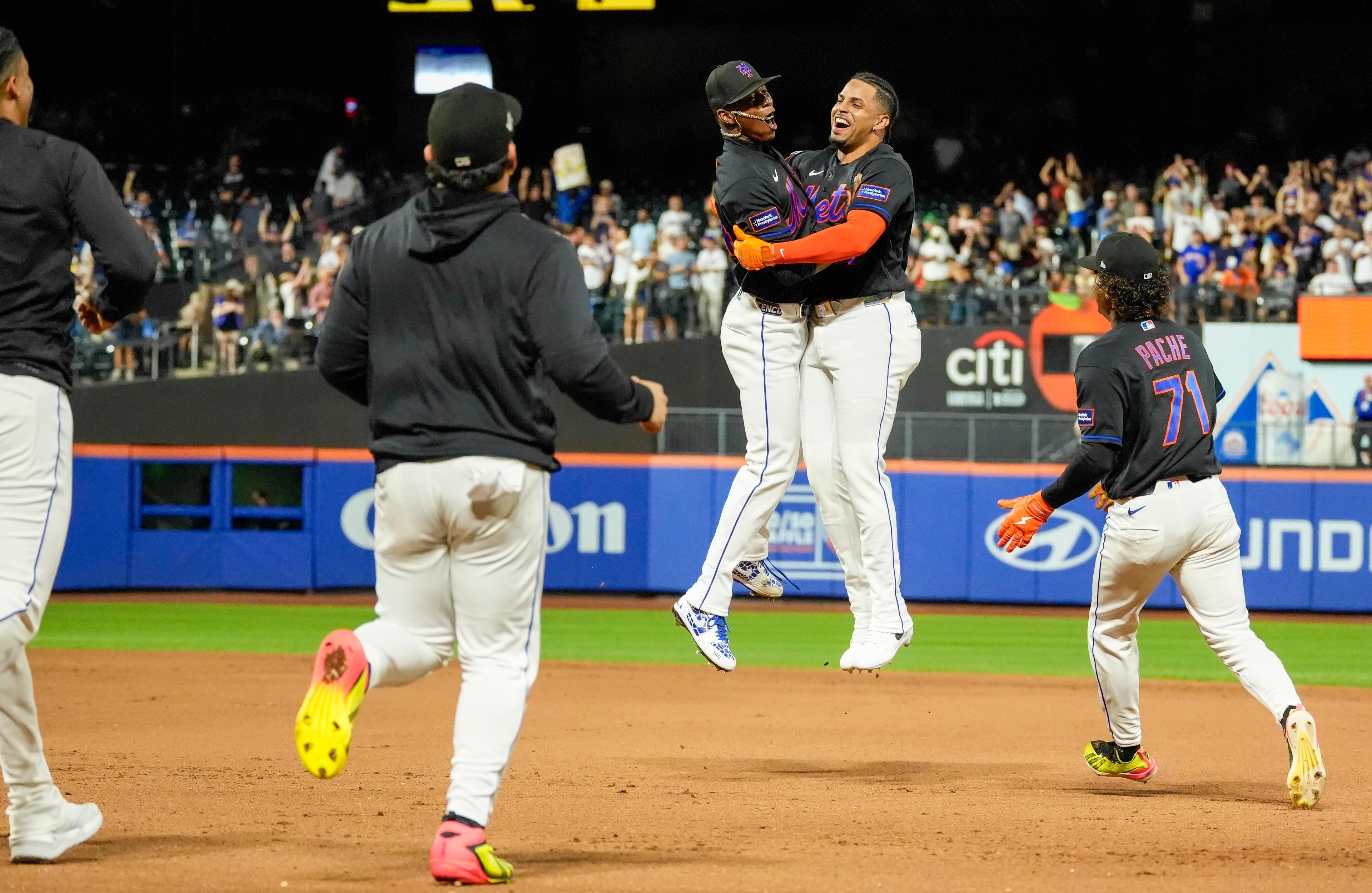
New York grabbed a 4-3 win in the 10th when a Brewers fielding mistake on the basepaths turned a late-game moment into the decisive run.
The Mets found a way to win in extra innings on Wednesday, beating the Brewers 4-3 in the 10th. The deciding run came after Francisco Lindor reached home following a throwing error by Brewers third baseman David Hamilton, a late sequence that flipped what had been a tight, grinding game into a Mets advantage.
Extra-inning baseball often comes down to small margins, and this one reflected that reality. With both teams able to keep the contest within one run late, the Mets’ ability to keep pressure on the basepaths paid off. When Lindor crossed, it did not come from a long swing or a dramatic strikeout duel. It came from a miscue that converted a contained moment into the winning run.
Hamilton, a third baseman responsible for handling hard-hit grounders and quick reaction plays, was charged with the throwing error that allowed Lindor to score. In practical terms, it meant the Brewers’ defense did not complete a routine-or-near-routine advancement, and the Mets cashed in immediately. One play like that can be decisive in MLB games that hinge on late inning leverage, and this was the kind of moment that tends to linger after the final out.
Lindor’s role in the finish was straightforward but significant. As the runner involved in the scoring play, he became the Mets’ final link in the chain that ended with the run that mattered most. For New York, getting a baserunner across in the 10th provides not just a win, but also an illustration of how the club manufactures late-game chances, even when the score is locked.
The broader baseball context is that extra innings compress the risk-reward equation for both teams. Managers and bullpens aim to limit clean scoring opportunities while also trying to avoid giving up free bases, extended at-bat traffic, or defensive breakdowns that can snowball. Once the game enters the 10th, every at-bat and every play in the field carries heightened weight, because there is less time for the trailing team to correct course.
For the Brewers, Wednesday’s finish is a reminder that defense is not just about preventing runs earlier in the game, it is also about maintaining execution when fatigue and pressure start to mount. A single misfire by a key defender at third base can erase strong efforts elsewhere, and the 10th inning outcome underscores how quickly that can happen at the Major League level.
What to watch next for New York is whether the Mets can convert similar late-inning pressure into results consistently, rather than relying on one pivotal error. For Milwaukee, the focus will likely be on tightening execution on plays involving throws and base-running advancement, particularly in late innings where opponents are ready to capitalize on any lapse.
Why It Matters
- Extra-inning wins can swing momentum, and this one came from a late-game execution issue that decided the game quickly.
- For both teams, the result emphasizes the premium on defensive precision in high-leverage innings.
- The Mets’ ability to turn pressure into a final-run sequence supports their late-game resilience in close contests.
Key Facts
- The Mets defeated the Brewers 4-3 in the 10th inning.
- The winning run scored in the 10th after a throwing error by Brewers third baseman David Hamilton allowed Francisco Lindor to score.
- The game ended in extra innings, with both teams tied long enough to push the matchup past regulation.
- The decisive moment was defensive, not offensive, turning a late sequence into a game-ending run.