
THE APEX TIMES
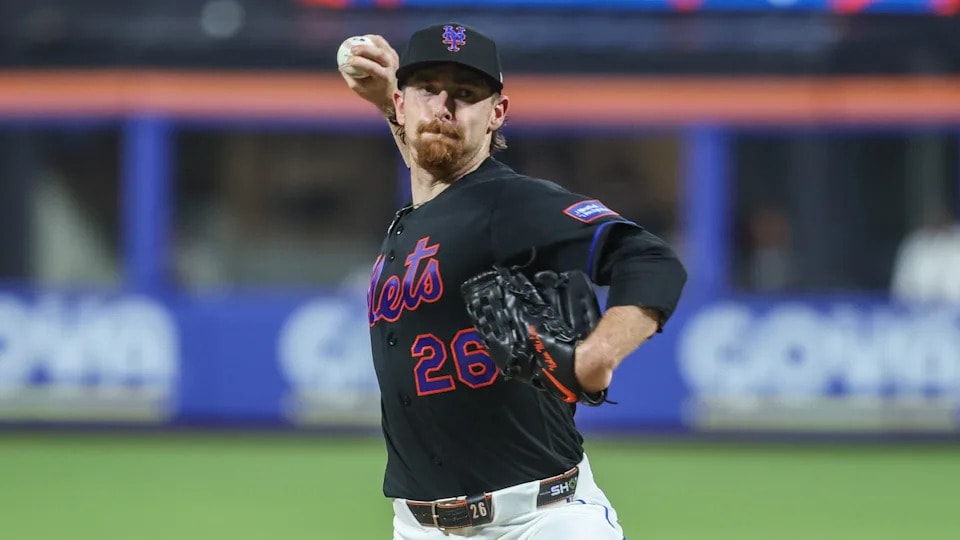
Mets rookie right-hander Nolan McLean emerges as a serious National League Rookie of the Year threat
New York’s first-year starter has been a major part of the Mets’ pitching conversation in 2026, and Major League Baseball’s rookie award race is starting to widen beyond the usual names.
The Rookie of the Year conversation in the National League has long revolved around a small handful of high-visibility prospects, but a newer name is forcing voters and fans to pay closer attention. Mets right-hander Nolan McLean has been framed in national baseball coverage as not just one of the better rookies in the league, but among the top pitchers overall in the NL during the season.
In the same breath, the Mets rookie’s rise has also shifted how the award picture looks late in the year. Through most of 2026, the public Rookie of the Year chatter, at least among National League players, has often centered on Cardinals second baseman JJ Wetherholt and Reds catcher Sal Stewart. Coverage of the award race suggests those players have remained prominent, yet McLean has been presented as a legitimate alternative, with his on-field impact pushing him into the same level of consideration.
What makes McLean’s case stand out is positional and role context. A rookie who can function as a frontline starter gives a club more than highlight innings. For award voting, it also increases the number of opportunities to leave a clear statistical and strategic footprint against the league’s regular batting orders over multiple weeks, not just in short bursts. In other words, the value of a young pitcher often becomes easiest to measure as the season stretches and batters and matchups grow more familiar.
The Mets, meanwhile, have their own internal development question mark answered by McLean’s effectiveness. New York can be selective about how it builds around young talent, but pitching is a premium tool. When a rookie starter takes a meaningful share of innings and handles major-league hitters at a high level, it changes how a team thinks about its staff composition and long-term planning.
McLean’s emergence as an NL Rookie of the Year contender also matters because award races do not exist in a vacuum. Voters typically weigh not only raw production, but also context: consistency, importance of the role, and whether the player’s value is sustained rather than momentary. The national write-up positioning him as a “serious” contender implies that voters should treat his season as more than a promising debut.
That said, readers should be careful about over-reading a single column in a crowded August-to-September stretch. Rookie of the Year races can pivot quickly when teams reach key series, when usage patterns change, or when a rookie’s performance differs in head-to-head matchups. With the season moving toward its final stretch, the next few starts (and how they come under pressure) are likely to be where the narrative either solidifies or gets challenged.
For now, the most immediate takeaway is that McLean has earned enough attention to alter the hierarchy of the National League rookie race. If he continues to pitch as portrayed, voters who may have been locked into the Wetherholt and Stewart conversation will have to revisit how they define “best rookie” versus “best rookie pitcher,” and the Mets could be in the driver’s seat of that reconsideration by the time awards are decided.
As the calendar turns, the NL award race will probably keep producing new storylines. But the headline issue that seems to be taking shape is straightforward: a rookie starter is making the broader league conversation, and that typically sets up the tightest Rookie of the Year outcomes late in the season. McLean’s performance in the final month is likely to determine whether he finishes as an asterisk to other candidates or the player who takes over the entire award narrative.
Why It Matters
- If McLean’s season holds up, the NL Rookie of the Year race will likely broaden beyond its early favorites and become more competitive late in the year.
- A rookie starting pitcher taking on high-leverage innings can meaningfully shape how voters evaluate “impact” across the entire league, not just among position players.
- For the Mets, having a first-year starter emerge as a top-tier presence can influence how the organization views pitching depth and long-term staff roles.
- The next slate of games will likely be treated as more than just team outcomes, because late-season performances often decide award voting momentum.
Sources
Key Facts
- Mets right-hander Nolan McLean is being characterized in national coverage as more than just one of the better National League rookies, with a case that he has been among the league’s top pitchers.
- The same coverage places McLean into a serious National League Rookie of the Year conversation as of Aug. 25, 2026.
- Through most of the season, the public Rookie of the Year talk in the National League has frequently included Cardinals second baseman JJ Wetherholt and Reds catcher Sal Stewart.
- The argument for McLean’s award case is tied to his performance at the starting-pitcher position rather than a limited or niche role.