
THE APEX TIMES
Miami Dolphins Debate Turns to the Past, Testing Whether Old-Era Players Fit the Modern NFL
A new Dolphins-focused discussion asks fans to name one player from a past era they think could succeed on today’s roster, using the NFL’s physical and professional evolution as the yardstick.
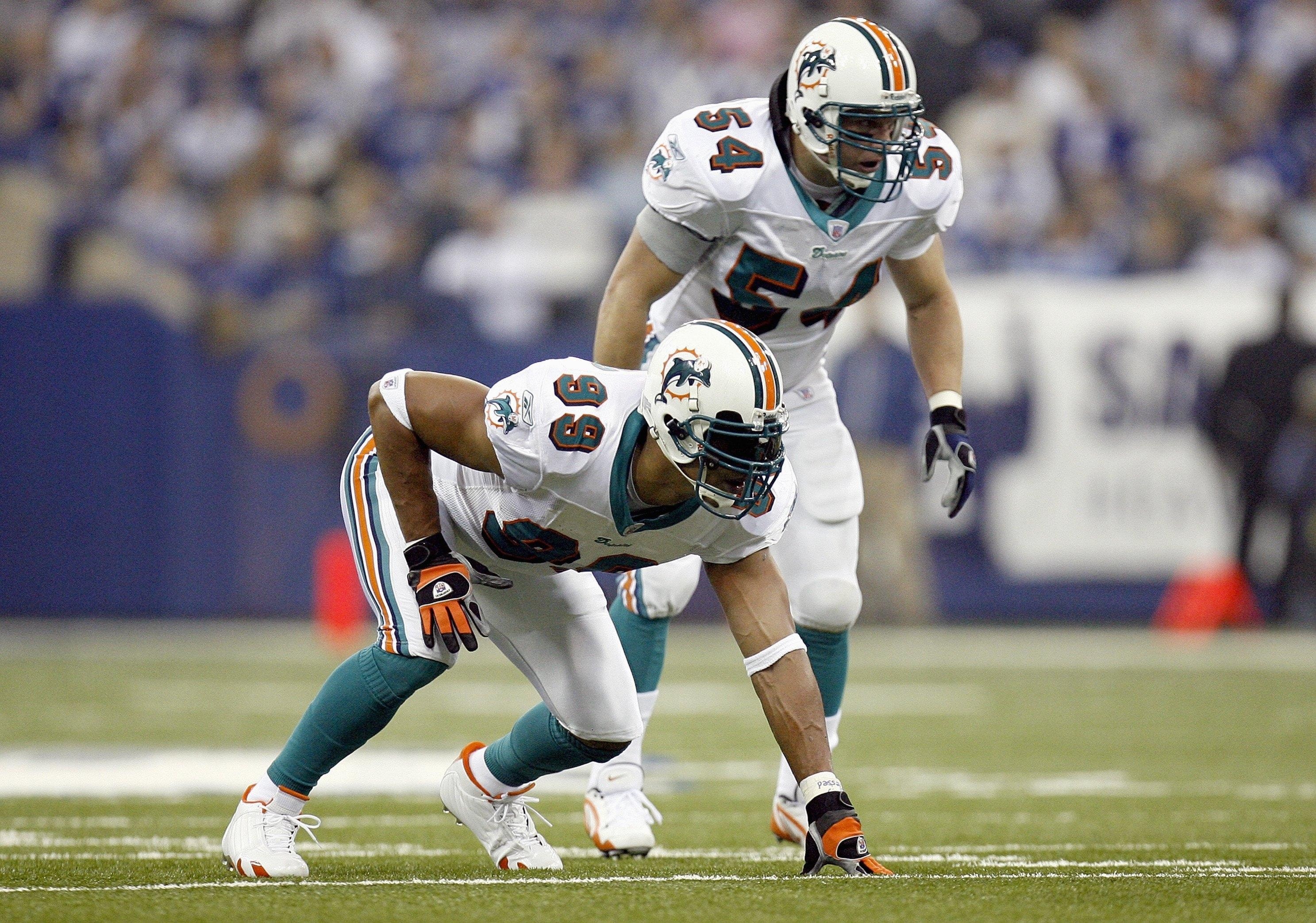
The Miami Dolphins are a perennial fan favorite, but a new round of offseason chatter is taking the conversation in an unusual direction. Instead of looking forward to the next camp or matchup, the debate centers on a simple exercise: if you could bring back just one player from the past, who would it be and why, assuming that player had to survive and thrive in today’s NFL.
The question is built around a challenge that is uniquely sharp in football. Many sports fans argue that greatness can translate across eras, but the NFL has transformed in ways that can make the leap from decades ago to now feel less like a storyline and more like an athletic experiment. Today’s players are widely considered larger, faster, and more physically refined, with day-to-day expectations that reflect an evolution in training, nutrition, and performance science.
The discussion also points to how the NFL’s professional routine has changed. Earlier eras did not treat football as an exclusive, year-round enterprise for most players. The offseason often included other work, and the sport’s economic model did not fully support the same continuous conditioning that modern athletes undertake. According to the discussion framing, the contrast is not only physical but also lifestyle driven, because the modern NFL player is expected to be prepared at all times rather than returning to football after a broader break.
That preparation is also tied, in the discussion’s wording, to the sport’s massive salary growth, which has helped make constant training a practical expectation. In other words, the “can he play now?” question is not only about whether a player had the raw talent to match today’s speed and strength, but whether their training background and offseason habits would fit the demands of the modern game.
The Dolphins angle matters because Miami is a roster built around the modern NFL’s emphasis on specialized roles, high-level athleticism, and matchup planning week to week. When fans debate an all-time return, the conversation tends to drift toward what would actually hold up in today’s structure, from technique and conditioning to the ability to meet the sport’s physical tempo. A player who dominated in an earlier league context would still need to navigate modern defensive schemes, modern coverage concepts, and the overall speed of the game.
There is also a broader fan-community element to the premise. Turning the Dolphins discussion into a “one player back” thought experiment highlights how supporters consume the sport through eras. It asks fans to make a persuasive case without relying on highlights alone, and it forces an argument about adaptation: could a star adjust to contemporary coaching language, contemporary equipment, and contemporary standards of professionalism, or would their greatness be limited by how differently the game was played?
As the conversation continues, the most interesting answers are likely to be the ones that explain the specific skill that transfers, rather than simply naming a legend. Some fans will prioritize positions they believe are timeless. Others will argue for players whose athletic profile and preparation habits seem to fit the modern mold. Either way, the exercise is a reminder that the NFL’s history is not just a catalog of accomplishments, but a record of how the league continually changes what it takes to succeed.
Why It Matters
- It reflects an NFL-specific reality: player preparation and physical standards have evolved, changing what “translating talent” means across eras.
- For fans evaluating team identity, the thought experiment implicitly raises questions about which traits a modern Dolphins roster prioritizes.
- The debate can shape how supporters talk about history, shifting from awards and accolades toward adaptability and athletic compatibility.
- It also serves as a reminder during the offseason that the league’s development is continual, not static from year to year.
Key Facts
- The Dolphins discussion asks fans which player from the past they would bring back to play on today’s Dolphins roster.
- The framing argues that the NFL presents a distinct difficulty for era-to-era translation compared with other sports.
- It emphasizes that modern NFL athletes are widely viewed as larger, faster, and more physically refined than players in earlier periods.
- The discussion contrasts earlier NFL player routines, including work during the offseason, with today’s year-round professional approach to training.
- It connects the modern conditioning emphasis to the NFL’s significant salary growth, which supports continuous physical development.
- The article is published by Yahoo Sports under a Miami Dolphins discussion feature.