
THE APEX TIMES
Micah Parsons faults Jayden Daniels’ clock management and says it “probably cost” Dan Quinn his job
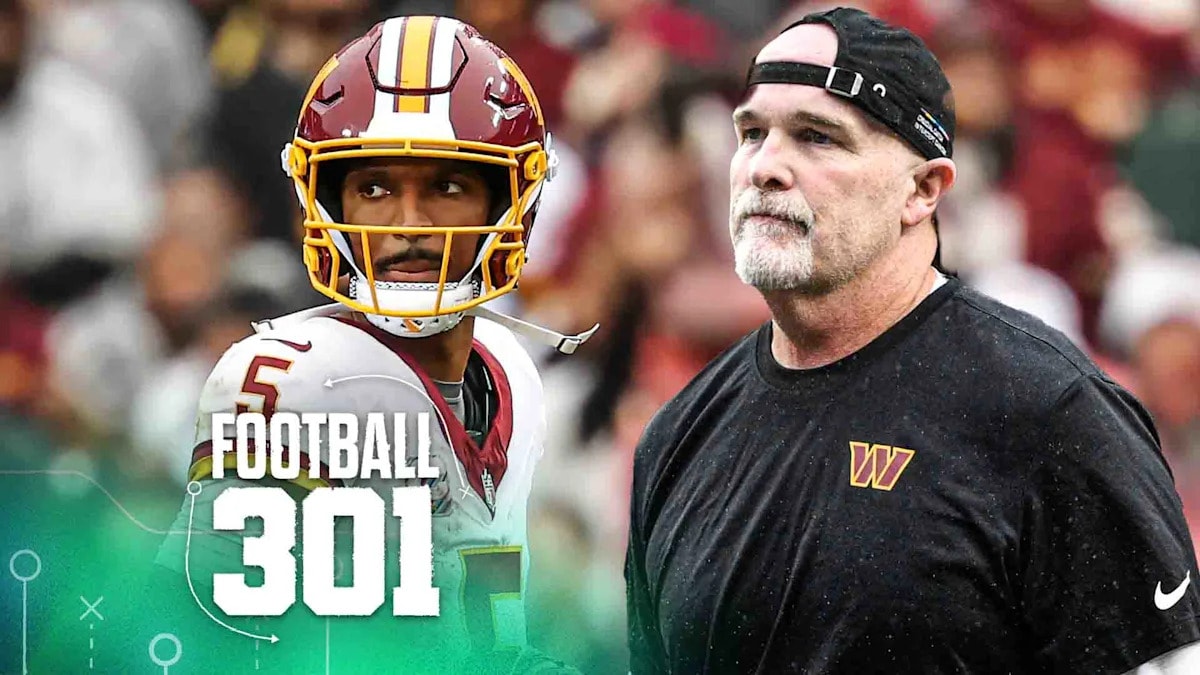
In a pointed segment on his show, Packers star Micah Parsons linked Commanders quarterback Jayden Daniels to critical in-game time management and argued that it helped determine Dan Quinn’s fate as head coach. Parsons also addressed his own return timeline from a torn ACL.
Micah Parsons did not soften his message on “The Edge with Micah Parsons,” connecting two separate narratives in the NFL: the Commanders’ operational execution and his own comeback after a torn ACL. Speaking on the show, Parsons criticized Jayden Daniels’ clock management and suggested the quarterback’s handling of time played a decisive role in the outcome of Dan Quinn’s tenure as an NFL coach.
Parsons’ comments, reported by Yahoo Sports, were framed as accountability for one of the least forgiving areas of modern football, in-game clock discipline. He pointed to what he characterized as mismanagement by Daniels and went further by saying Daniels “probably cost” Quinn his job. While the claim is personal opinion from Parsons rather than an official league explanation, it underscores how quickly time management issues can swing reputations when coaches are judged by results and late-game control.
This is not the first time Parsons has publicly associated execution details with team outcomes. In his view, clock missteps are not minor. They reduce play-call options, compress third-down and red-zone sequences, and can force a team into riskier plays or stalled drives. Parsons’ remarks land against a broader NFL backdrop where teams increasingly emphasize tempo and timing structures, especially late in games when possessions become scarce.
Parsons also addressed his own status. The report notes that he is nearing his return from the torn ACL that ended his first run with the Packers. That context matters because Parsons’ impact is tied not only to his pass-rush production but also to how his presence reshapes opposing offensive game plans. Even when players are not fully reintegrated, his return typically changes how offenses allocate protection and where they plan to run the football.
The timing of this commentary intersects with the kind of matchup Parsons has historically fueled by emotion and familiarity. The report notes that Parsons would not play Sunday night against his old team, the Dallas Cowboys, while he continues to approach his return. That distinction is significant: his public remarks come not as a pregame setup for that game, but as a larger, reflective critique and a personal update at the same time.
Parsons’ comments about Quinn introduce a tougher question for observers: how much of a coach’s removal can be explained by quarterback execution and game-day details versus broader performance metrics. In the NFL, head-coach evaluations typically reflect everything from roster-building to game planning, but Quinn’s job, as portrayed by Parsons, was put at risk by the kind of operational mistakes that become visible to fans and players in real time.
What to watch next is less about validating a single comment and more about whether both teams involved show improved clock structure and late-game management. For the Commanders, any shift in tempo accountability would answer the question Parsons raised. For the Packers, fans will watch how Parsons looks on the field as he gets closer to full readiness, and whether the defense regains the kind of rhythm that allows elite pressure to show up on schedule.
Why It Matters
- Clock management can directly limit offensive play-calling options and late-game scoring chances, turning execution issues into reputational ones for players and coaches.
- Public accountability from a premier defender like Parsons highlights how quickly quarterback-time issues can be interpreted as leadership and control problems.
- Parsons’ impending return matters to the Packers’ defensive identity, because elite pass-rushers often influence both protection schemes and run-defense planning.
- For the Commanders, any operational improvement would address a criticism centered on game-day discipline rather than only scheme.
Sources
Key Facts
- Micah Parsons made the remarks on “The Edge with Micah Parsons,” as reported by Yahoo Sports.
- Parsons criticized Jayden Daniels for clock mismanagement.
- Parsons said Daniels “probably cost” Dan Quinn his job.
- The report says Parsons is nearing his return from a torn ACL that ended his first go-around with the Packers.
- The report also notes Parsons would not play Sunday night against his old team, the Dallas Cowboys.