
THE APEX TIMES
Michael Bisping brands Nevada’s move to withhold UFC 329 fighter salaries “a crime” after post-fight celebrations
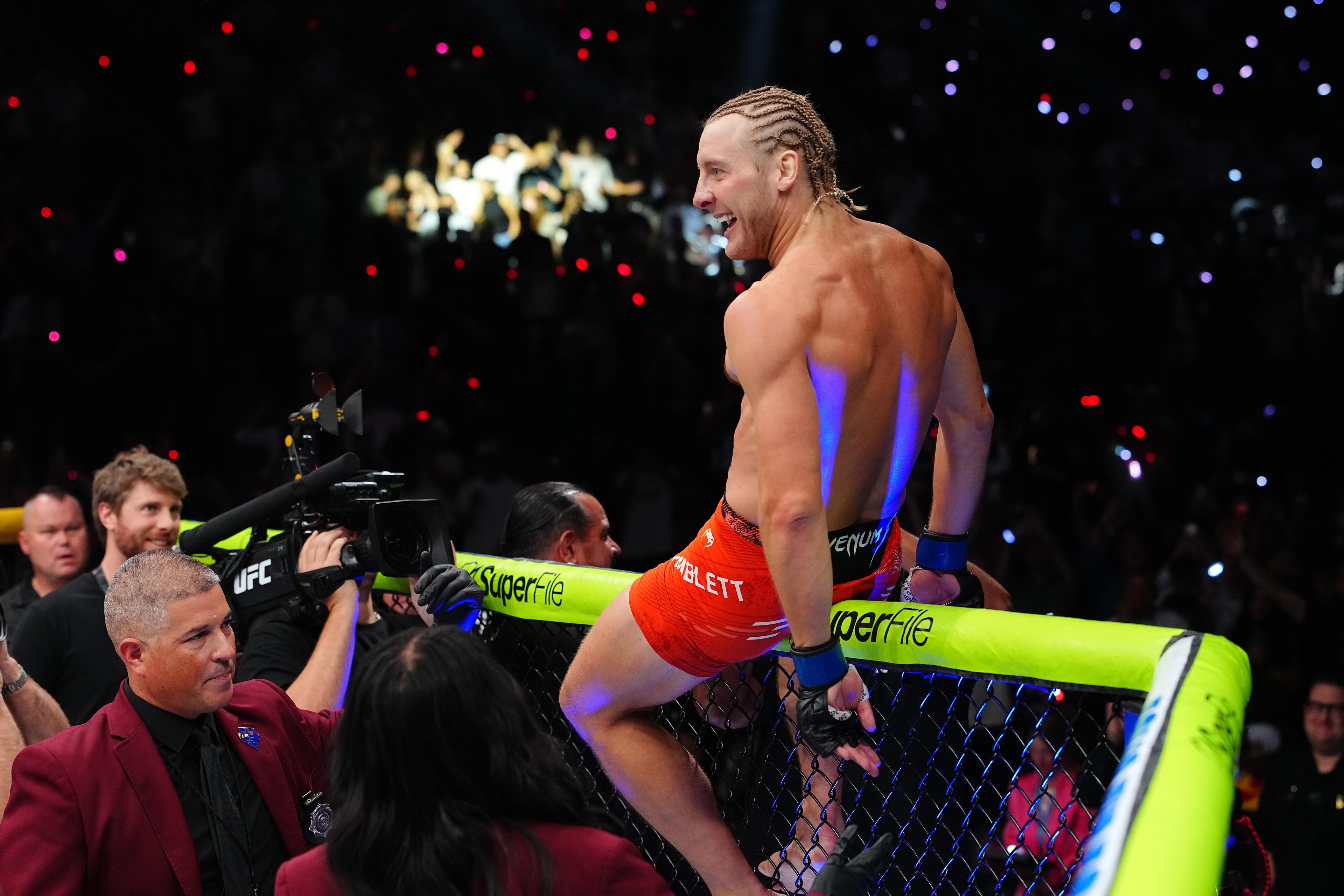
The former UFC champion questioned whether fighters at UFC 329 are being penalized and potentially paid less over cage-climbing moments involving Max Holloway, Paddy Pimblett and Gable Steveson.
UFC 329 has spilled beyond the Octagon into a pay-related dispute, with former UFC middleweight champion Michael Bisping saying it is “a crime” for the Nevada State Athletic Commission to withhold fighter salaries tied to celebration behavior. In a report from Yahoo Sports, Bisping’s criticism centered on how certain post-fight moments could trigger penalties that affect what fighters ultimately receive from the event.
According to the report, UFC 329 featured a cage-climbing celebration that drew commission scrutiny, and the consequences could include withheld money or reduced payouts for fighters associated with the behavior. The Yahoo Sports piece specifically points to Max Holloway, Paddy Pimblett and Gable Steveson as the athletes at the center of the controversy, tying the issue to expectations for how fighters are supposed to conduct themselves after a bout rather than to performance inside the cage alone.
Bisping’s stance matters because it highlights a tension that can develop around combat-sports governance, where rules governing celebrations and conduct after fights can carry real financial impact. Even when a fighter earns the right to celebrate, commission enforcement can change the final shape of an event paycheck, turning a public moment into a compliance issue that follows fighters back into their camp and contract paperwork.
The underlying question raised by Bisping, as framed in the Yahoo Sports report, is whether the punishment is proportional. If the commission is withholding money for celebrations, the dispute becomes less about the outcome of the fights and more about the administrative process that determines how and when athletes are paid. For fighters, that process can become a second fight entirely, one decided through rulings and technical enforcement rather than strikes, submissions, or knockdowns.
For UFC 329 itself, the immediate consequence is uncertainty for the athletes referenced in the report, and it also becomes a cautionary note for the broader roster. UFC has long relied on recognizable personalities and signature moments for mainstream appeal, but if certain behaviors are treated as rule violations with pay consequences, it creates pressure on fighters to adjust how they celebrate, sometimes even at the height of emotion after a hard-earned win or career-defining performance.
What to watch next is whether the withheld payments are ultimately released in full, reduced, or handled through any formal review process. The fastest indicator will be official commission statements or UFC communications that clarify how the penalties were applied. In the meantime, the public back-and-forth between a prominent former champion and regulators suggests this will not be treated as a purely administrative footnote within the UFC community.
Why It Matters
- It underscores how commission enforcement can carry direct financial consequences for fighters even after they have won inside the Octagon.
- It raises questions about proportionality and consistency in how post-fight celebrations are treated under regulatory standards.
- It could influence how fighters choose to celebrate in future UFC events, especially after high-emotion wins.
- It adds governance scrutiny to UFC 329 beyond its athletic storylines, potentially affecting how fans interpret celebratory moments.
Sources
Key Facts
- Michael Bisping criticized what he called “a crime” involving the Nevada State Athletic Commission withholding UFC 329 fighter salaries.
- The Yahoo Sports report links the withholding issue to celebration behavior after UFC 329 bouts, including a cage-climbing moment.
- The report names Max Holloway, Paddy Pimblett and Gable Steveson as the fighters affected by the situation described.
- The dispute is framed as pay uncertainty tied to post-fight conduct rather than fight results alone.
- No official commission outcome is included in the available material here, so the final payment status is not confirmed in this write-up.