
THE APEX TIMES
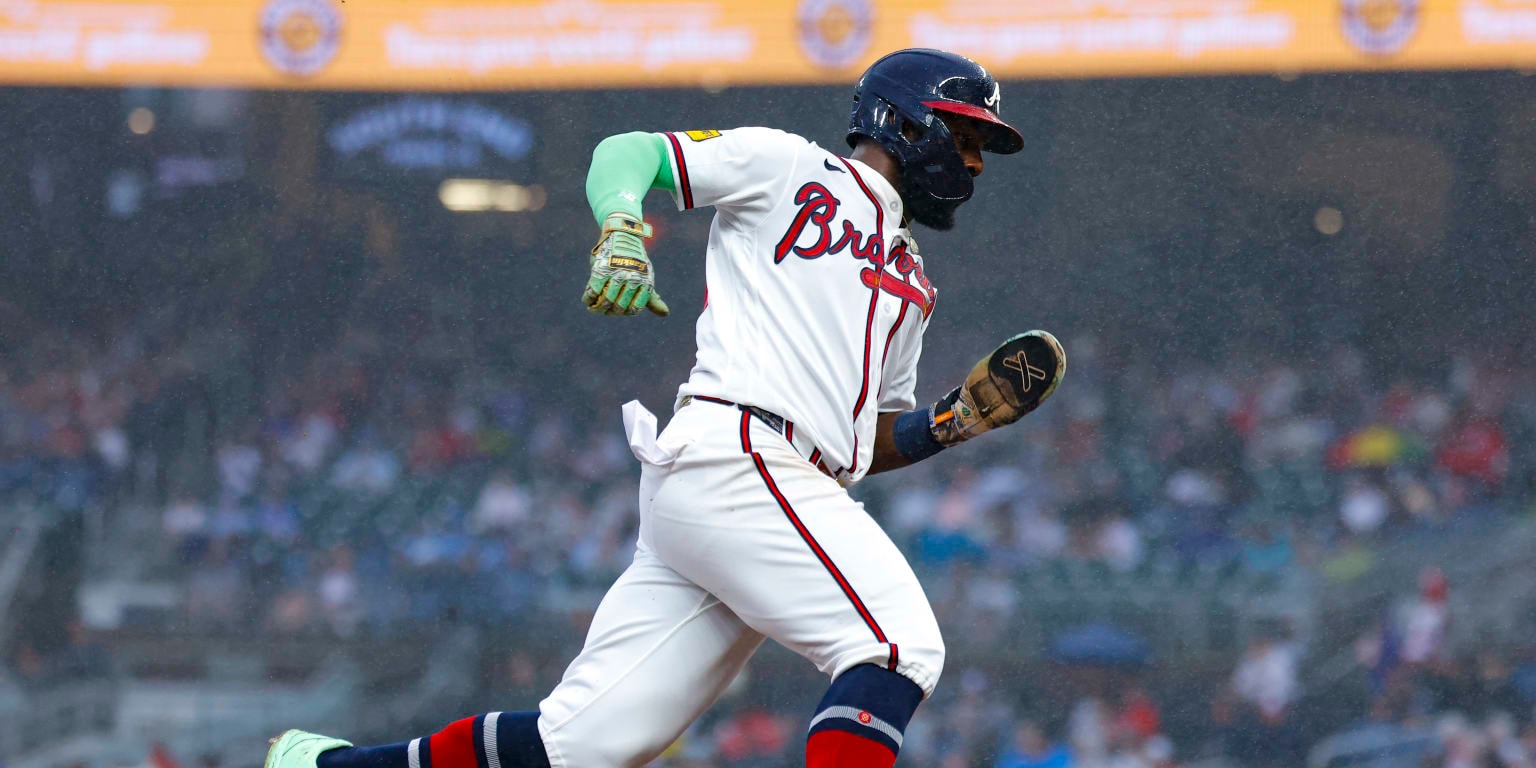
Michael Harris II removed after first inning with lower back tightness as Braves host Giants
The Braves announced that Michael Harris II exited the lineup early in Tuesday night’s game against San Francisco after experiencing lower back tightness.
Tuesday night’s Braves-Giants game at Truist Park took an immediate turn when Atlanta removed Michael Harris II from the lineup after the first inning. The team attributed the decision to lower back tightness, a development that forced an early reshuffling for the club in the middle of a high-leverage matchup.
Harris, a mainstay of Atlanta’s outfield, was expected to be central to the Braves’ everyday plans in this series, but the discomfort changed that quickly. According to MLB’s official Braves report, the issue surfaced during the game enough to prompt the Braves to take precautionary action after the first frame rather than delay the move.
For Atlanta, the timing matters. Removing an everyday player that early can affect more than just the batting order. It typically requires the manager to adjust defensive alignment and plug in a replacement on short notice, with the rest of the lineup also needing to react to the absence of a regular bat and regular presence in the outfield.
The Braves did not characterize the tightness beyond stating it led to Harris leaving the lineup early. That distinction is important. In-season lower back symptoms can range from brief soreness to something that requires more extensive rest, and the club’s immediate decision underscores a preference for preventing escalation rather than treating it as a routine tweak.
While the report focused on the on-field decision, the broader baseball context is that back issues are monitored closely because they can be difficult to manage on a quick timeline. Even when symptoms appear mild, teams often try to prevent further strain that could compromise mechanics, swing timing, or day-to-day conditioning.
From a game-management standpoint, the Braves now have to account for who can cover the outfield duties in Harris’s absence for the remainder of the contest and, potentially, beyond it. The lineup adjustment that begins after the first inning often sets the tone for the next few days, particularly if the club chooses to keep the player out for recovery.
For fans watching Atlanta, the next question is straightforward: whether Harris’s availability changes for the next game. The team’s wording points to tightness that required an early exit, which means his status will likely depend on how his back responds to treatment and rest over the next 24 to 72 hours.
In the meantime, Atlanta’s priority is to protect both Harris’s health and the stability of its everyday structure. A short absence can be absorbed, but repeated back-related interruptions can force longer-term lineup and depth changes, which would shape the Braves’ run throughout the summer schedule.
Why It Matters
- An early absence from an everyday player can ripple through Atlanta’s lineup construction and defensive coverage.
- Back tightness is a particular concern in baseball because it can affect swing mechanics and day-to-day performance.
- How Atlanta handles Harris’s status over the next few games could influence the team’s roster usage and bullpen of position-player backups.
- The decision reflects a precautionary approach that may prioritize long-term health over short-term continuity.
Key Facts
- Michael Harris II was removed from the Braves lineup after the first inning of Tuesday night’s game against the San Francisco Giants.
- The Braves cited lower back tightness as the reason for Harris’s early departure.
- The game was played at Truist Park in Atlanta.
- The official report indicates the move was made immediately after the first inning.
- The Braves made the change during live action, requiring immediate lineup and defensive adjustments.