
THE APEX TIMES
Mickey Spagnola says Cowboys are moving past “hunting sacks” to a more unified front
With Christian Parker in the mix as Dallas reshapes its defensive approach, Spagnola’s emphasis is on coordinated pressure rather than one-off sack chases by individual defenders.
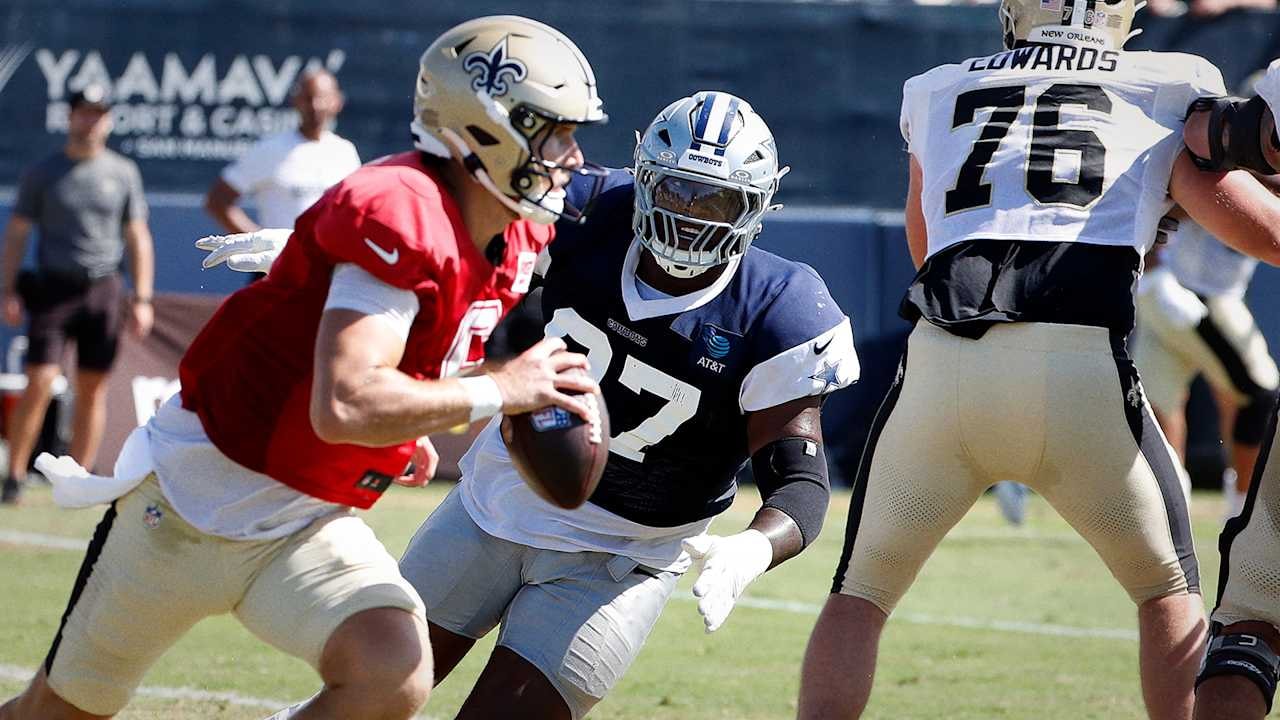
Dallas has made a clear philosophical shift on defense, and Mickey Spagnola’s message is built around one idea: the sack is the result of a unit, not a personal scavenger hunt. In a team statement published by the Cowboys, Spagnola framed the change as moving away from an individual mentality where players are “hunting sacks” on their own and toward a system where the defensive line works together to create quarterback pressure as a group.
The context for that adjustment is Dallas’ defensive scheme under Christian Parker. Parker’s role as defensive coordinator is central to the way the Cowboys want their front to operate. Instead of relying on a single player to win an isolated moment and force a sack, the plan is to turn pressure into a repeatable team effort, with the defensive line coordinating how it attacks gaps, occupies blockers, and finishes plays.
Spagnola described the new approach in plain terms: players will no longer be focused on individually pursuing sacks. The emphasis, according to the Cowboys’ report, is that the defensive line will “work together as a unit to sack the quarterback.” That distinction matters because it changes how defenders balance aggressiveness with discipline, and it can also change how sacks show up statistically. Under a unit concept, you can see more shared pressures, more quarterback disruption from multiple lanes, and fewer “hero” rush attempts.
The most immediate value of this kind of adjustment is communication. When an entire front is on the same page about where pressure should come from, assignments and timing become more consistent, particularly in passing situations when protections are designed to move defenders off their spots. A coordinated front can also reduce the need for risky, late turns that leave lanes open behind the play.
It also fits the modern NFL reality that sack totals are not always the cleanest measure of defensive effectiveness. In systems that emphasize synchronized rush plans and coordinated finishing, a defender’s impact might show up first as a controlled pocket, a forced throw, a delayed decision, or a pressure that leads to a tackle by a teammate. Dallas’ stated direction suggests the organization is trying to build a defense that pressures quarterbacks through structure and collective execution, even if it shifts how individual hustle is rewarded.
As the Cowboys continue installing their defense throughout training camp and preseason, the operational test will be whether the front can repeatedly convert the plan into pressure without freelancing. The telling moments will come when the quarterback holds longer than expected and the defensive line still finishes together, or when protection schemes try to isolate one rusher but the rest of the group maintains leverage and closes lanes.
For Cowboys fans, the practical takeaway is that the “sack” should be viewed as an end product of coordinated work rather than a personal target. If Dallas can make that shift stick, it may offer more consistent disruption from the front and cleaner downstream opportunities for the rest of the defense to rally to the ball.
Why It Matters
- A unit-based pass rush can change how quarterback pressure is generated and how sack totals are distributed.
- Coordinated front concepts can improve communication and reduce risky, assignment-breaking plays.
- If the philosophy takes hold, it can lead to more consistent pocket disruption late in pass plays.
- The approach may better align with modern offensive protections designed to neutralize one rusher at a time.
Key Facts
- Mickey Spagnola described a shift away from defenders “hunting sacks” individually.
- Dallas is operating under defensive coordinator Christian Parker’s scheme.
- Spagnola said the defensive line will work together as a unit to sack the quarterback.
- The Cowboys’ message emphasizes team pressure rather than isolated sack-chasing behavior.