
THE APEX TIMES
Mike Bianchi points to quarterback uncertainty as Florida’s 2026 preseason story line
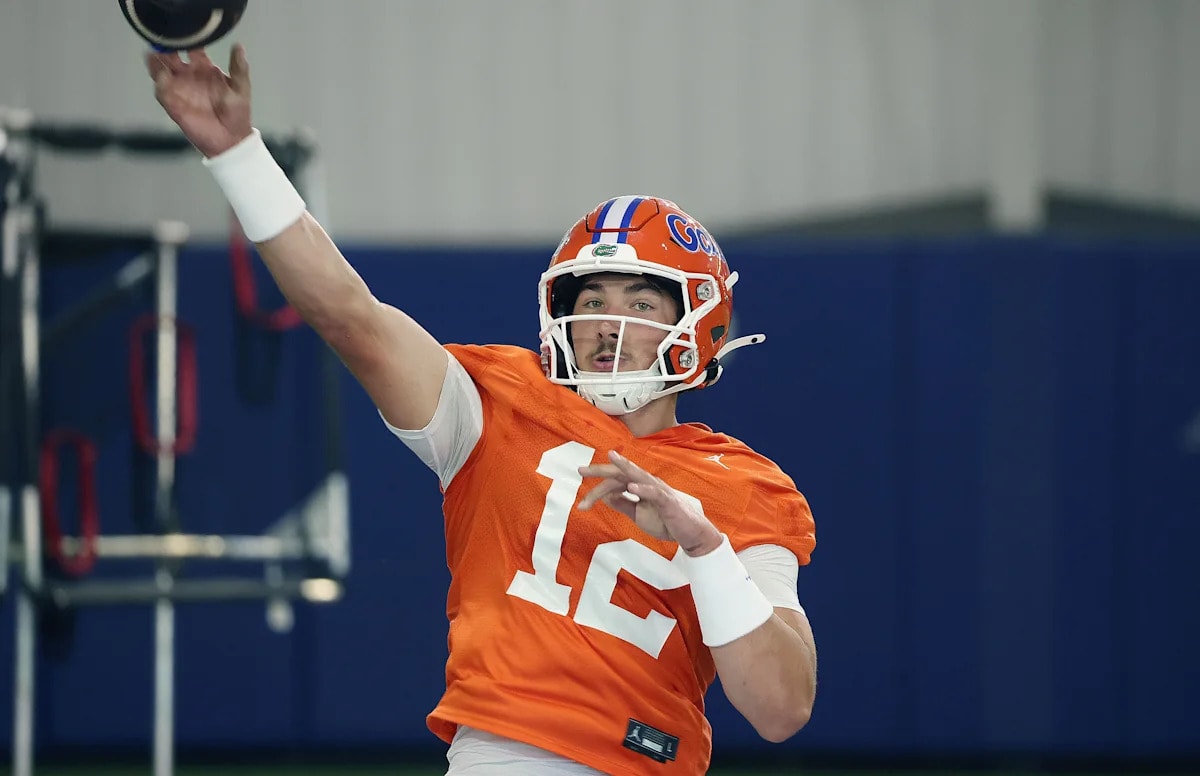
As college football heads toward the 2026 season, a growing theme in Florida is the quarterback question, with multiple major programs still sorting out depth charts and roles.
Mike Bianchi’s latest Florida football look frames the 2026 preseason in quarterback terms first, and everything else second. The point is not that Florida teams lack talent, but that the QB position, the one spot where continuity drives everything from tempo to play-calling to late-game execution, remains unsettled across several high-profile programs in the state. Bianchi’s argument, as reflected in his season-preview framing, is essentially that coaches and fan bases will spend the early part of 2026 trying to answer one question: who is the quarterback right now, and who can be the quarterback reliably once the games tighten up?
The structure of the discussion matters. Bianchi organizes his Florida tour across the places where quarterback talk carries extra weight: Gainesville, Tallahassee, Orlando, and Coral Gables. Those are not just geography markers, they are shorthand for programs that are expected to contend at the top of their conferences and, in the national picture, in bowl and playoff conversations. When quarterback clarity is delayed, it tends to compress the margin for error on both sides of the ball, because schemes built around a specific skill set often take time to fully align.
Bianchi’s framing also reflects how quarterback uncertainty can be simultaneously practical and psychological. Practically, the depth chart is a living document. Even if a team believes it has a clear leader, the offseason still tests how the offense responds to protection, coverage, and game-plan wrinkles. Psychologically, quarterback questions influence the entire program calendar. Quarterback position battles, open questions about leadership, and the need to balance development with winning all shape how teams handle repetitions in fall camp and the early portion of the schedule.
A key element in any quarterback quandary is how teams define the job. Some programs prioritize a QB who can control the pocket and manage downfield reads, while others build around mobility, designed runs, or the ability to extend plays when first answers are covered. Bianchi’s preview approach suggests that Florida’s 2026 story will be about fitting the offense to the quarterback the program can trust, rather than forcing the quarterback to fit a preconceived identity.
The state’s quarterback questions will likely create a ripple effect for the rest of the roster. If the starting role is still being clarified, coordinators may lean more on concepts that travel well between protection looks, and that can reduce the volatility that comes from timing throws under pressure. Meanwhile, skill players can become less certain of targets and routes if the quarterback’s comfort with specific progressions is still evolving. Over time, the QB decision becomes the anchor for everything else, including the development plan for backups and the team’s ability to adapt during the season.
Looking ahead, the watch points for Florida football in 2026 will be straightforward but not simple. The first is whether programs that Bianchi highlights can convert practice clarity into early-game execution. The second is whether the team’s offensive identity becomes consistent as the QB role solidifies. The third is how coaches manage the transition if the quarterback situation does not resolve quickly, especially against opponents who pressure the pocket and force uncomfortable throws.
In a sense, Bianchi’s “state of uncertainty” concept is a reminder that preseason story lines in college football are often rooted in real time constraints. Quarterback play is the fulcrum of offensive planning, and when that fulcrum is still being positioned, the season begins with more variables than the usual fan base would prefer. For Florida’s top programs, that means the 2026 season will start with the depth chart, stay on it for longer than usual, and eventually reveal whether the quarterback question was a temporary detour or the central challenge to winning in the postseason picture.
Why It Matters
- Quarterback clarity impacts play-calling, timing, and protection decisions, which can determine how quickly an offense reaches its ceiling.
- If multiple Florida programs are navigating QB uncertainty, recruiting momentum and early-season performance could influence each team’s longer-term identity.
- Teams that resolve the QB question faster tend to reduce offensive volatility, which matters in conference play and against high-pressure defenses.
- A QB quandary can also affect backup development and how confidently a staff can tailor game plans to one player’s strengths.
Sources
Key Facts
- Mike Bianchi’s preview is centered on quarterback uncertainty as a major theme for the 2026 college football season in Florida.
- The article is framed as a tour of Florida’s major football hubs, including Gainesville, Tallahassee, Orlando, and Coral Gables.
- Bianchi’s title and description emphasize the QB depth chart as the organizing question for the preseason story line.
- The discussion is presented as a statewide snapshot rather than a single-team report.