
THE APEX TIMES
Mike Burrows’ struggles put Houston’s starting rotation on the spot after Nationals loss
The Astros fell 12-11 to Washington in a game that exposed deep questions in the rotation, with Burrows allowing 10 runs (seven earned) over 4 2/3 innings and Houston’s broader staff entering Monday with the third-worst MLB ERA.
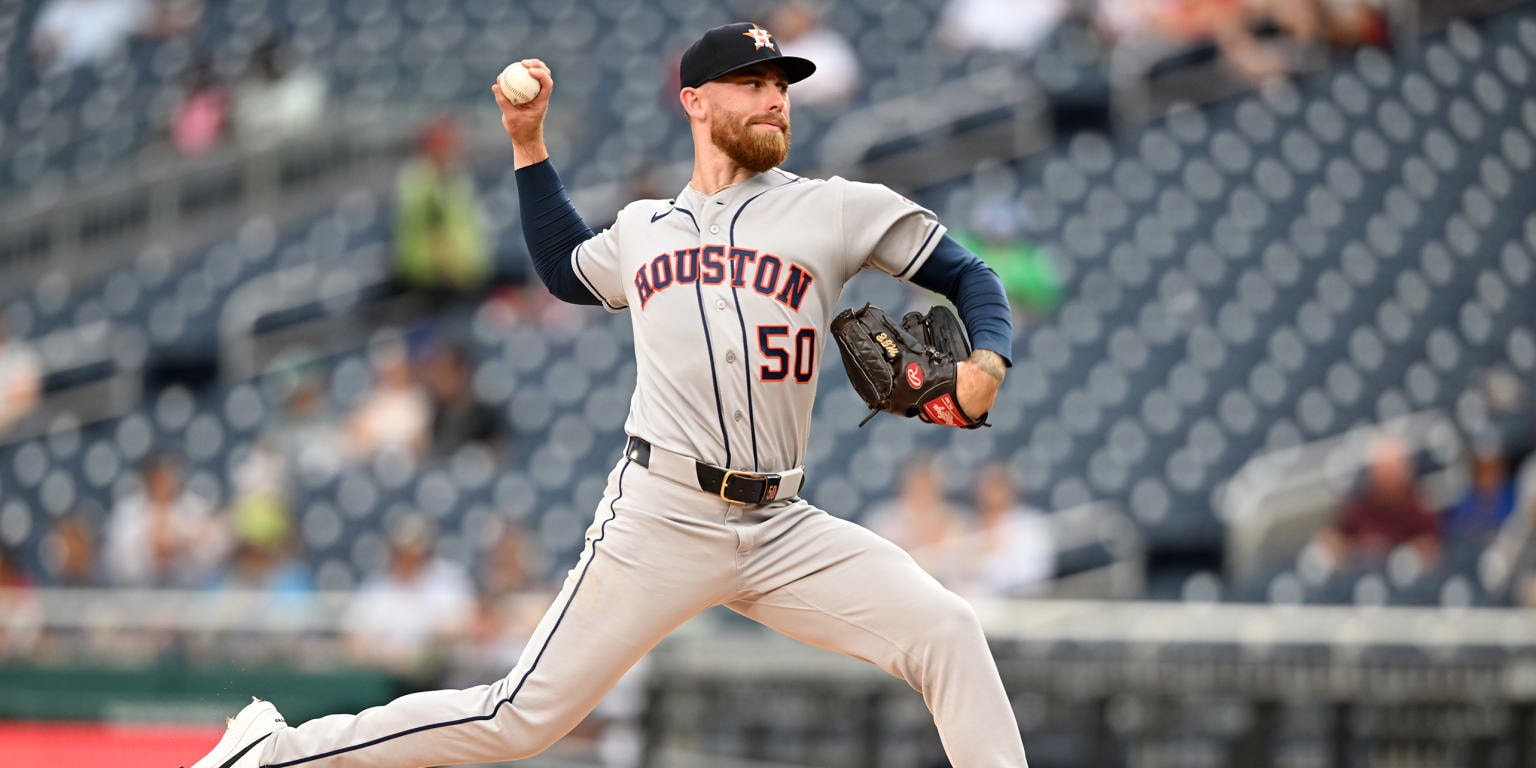
Mike Burrows’ continued difficulty as a Houston starter landed in the center of a painful 12-11 loss to the Nationals on Monday night, a start that manager and front office decisions will likely revisit as the season moves toward late summer. Burrows, who leads the Astros in both innings pitched and games started, has carried a workload that is often reserved for a team’s most reliable No. 2 to No. 4 options. Instead, his outing against Washington reinforced the concern that the rotation, not just one pitcher, is struggling to stabilize games.
The Astros entered the game with a rotation that had the third-worst ERA in Major League Baseball, and Monday’s start did not change that picture. Burrows was staked to a five-run lead in the series opener after Jose Altuve hit a three-run home run in the second inning and Yainer Diaz followed with a two-run homer in the third. Houston’s early cushion quickly unraveled as Burrows surrendered five runs in the third, capped by a three-run homer by CJ Abrams that tied the game.
Washington’s offense kept pressing after the third inning, and Burrows’ line ended with 10 runs allowed and nine hits, with seven of those runs charged as earned. His ERA climbed to 5.99 in 94 2/3 innings as the Nationals built a 12-6 lead, and although Houston nearly closed the gap, the damage early was too much to overcome. It was Burrows’ shortest start of the season in terms of innings pitched, a detail that mattered because it removed the “grind-it-out” opportunity that often buys a struggling starter time with his bullpen.
Burrows’ season-long workload is partly why the conversation around his rotation viability is growing louder. According to MLB’s report, Houston is 6-11 in games Burrows has started, and he has had only four quality starts. There have been flashes, including two seven-inning gems, but the consistency has lagged: he has been among the worst starting pitchers in baseball by results this year, and Monday extended the pattern.
After the game, Burrows characterized it as a “tough day,” saying he felt he let the team down after Houston gave him a good lead and that he was beaten on pitches he missed by a small margin. He also suggested some hits fell in unfavorable spots for Houston’s defense, but the core issue remained that he could not translate early support into outs and innings. For a rotation already carrying a league-worst statistical burden, that combination of big innings and limited margin is difficult to accept.
Burrows was acquired in December from the Pirates in a three-team trade, bringing both expectation and a need for development. Instead of trending toward steadiness, he has searched for answers all season, and the Astros now face the practical question of what they get from their starter who has been on the mound the most often. With rotation depth always tested by workload, injuries, and matchup management, this becomes less about one poor night and more about whether the current rotation configuration can keep the Astros competitive as opponents prepare for the same weaknesses.
For Houston, the immediate watch is not just who takes the ball next, but how quickly the staff can stop bleeding runs early and avoid turning every start into a chase. The team’s bullpen can handle bursts, but repeated deficits force higher-leverage usage and increase the cost of later games in a homestand or road trip. Monday’s loss also places additional pressure on the organization to ensure that the rotation is capable of giving the offense a chance to swing rather than scrambling to erase starter-driven damage.
Why It Matters
- A rotation with the third-worst MLB ERA creates a narrow margin for error, and Monday’s blow-up shows how quickly leads can vanish.
- When the most-used starter is also among the league’s least effective options, it forces the team to rethink both performance expectations and workload allocation.
- Chases like this one increase bullpen strain, which can reduce flexibility later in the week and late in games.
- Burrows’ role affects lineup construction and matchup planning, because opponents can prepare with less uncertainty about what kind of outing to expect.
Key Facts
- The Astros lost 12-11 to the Nationals on Monday.
- Mike Burrows leads Houston in innings pitched and games started.
- Washington built a 12-6 lead largely during a five-run third inning that included runs charged to Burrows.
- Burrows allowed 10 runs (seven earned) and nine hits, and his ERA rose to 5.99.
- Houston entered the game with the third-worst starting rotation ERA in Major League Baseball.
- The Astros are 6-11 in games Burrows has started, with only four quality starts.
- Burrows was acquired in December from the Pirates in a three-team trade.