
THE APEX TIMES
Mike D’Antoni breaks down the Suns blueprint behind Seven Seconds or Less ahead of Hall of Fame
In a conversation on the eve of his Naismith Basketball Hall of Fame induction, Mike D’Antoni revisited the Phoenix Suns’ transformation and the coaching ideas that made the fast, space-and-swing identity work.
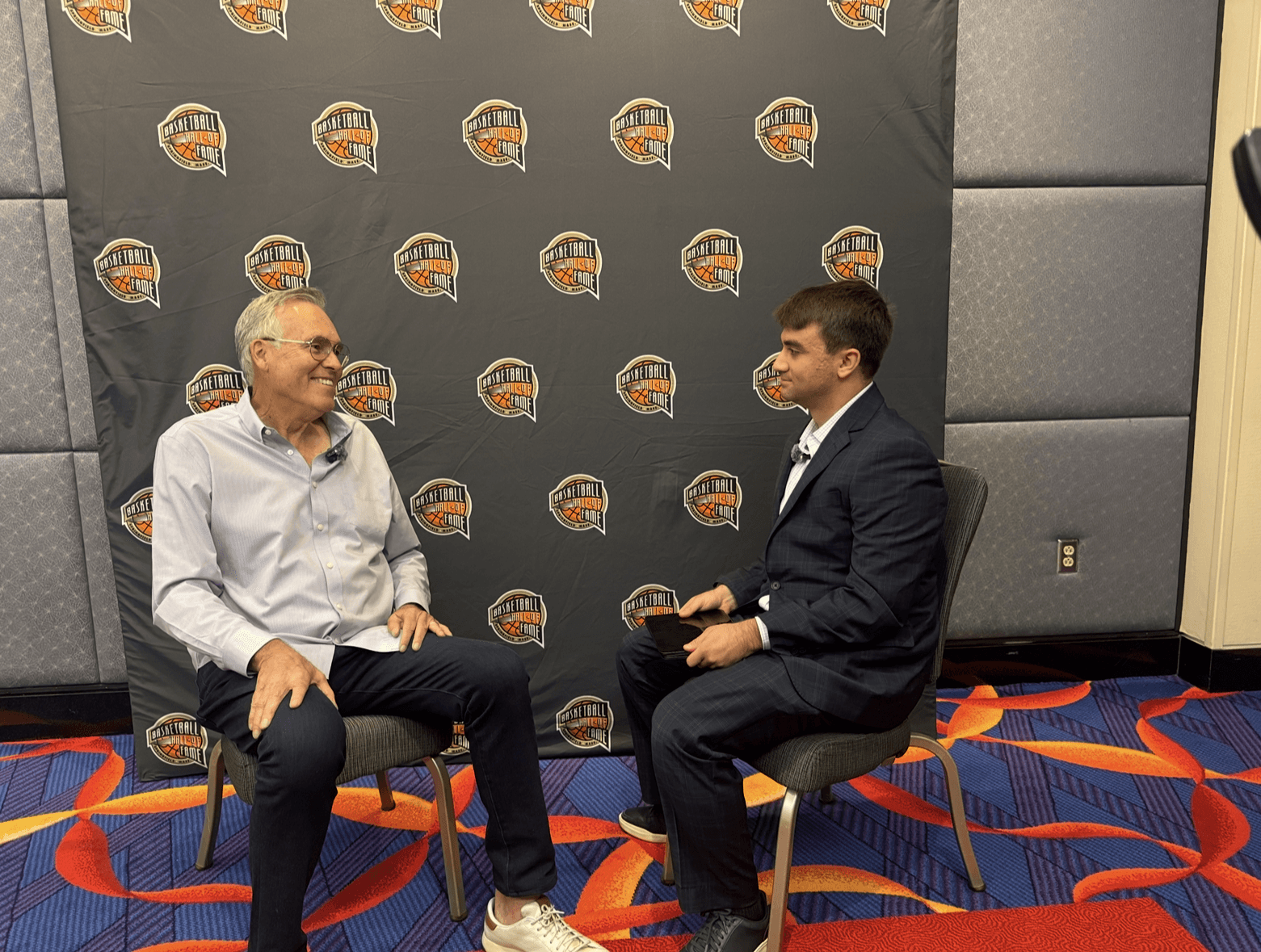
Mike D’Antoni arrived at the moment quietly, at least on the outside. The former Phoenix Suns head coach sat for a Bright Side sitdown on the day before his Naismith Basketball Hall of Fame induction, looking back on how a team built around pace, spacing, and simple decision-making became one of the most influential offensive identities in modern NBA history.
The core of D’Antoni’s explanation is that style only sticks when it is trusted. He described the Suns era as a period where the right blend of freedom and responsibility allowed players to play quickly without losing structure, a balance that can be difficult to sustain as opponents adjust. In his telling, the offense was not just a collection of plays, it was a rhythm that required buy-in and consistent expectations.
D’Antoni also tied the Suns’ execution to personnel fit. Seven Seconds or Less, associated with Phoenix’s rapid possessions and emphasis on attacking early in the clock, depended on players who could make reads in motion, move the ball decisively, and accept the variance that comes with a high-tempo approach. He argued that the “system” worked because it was built around what his roster could do, rather than forcing talents into a rigid template.
He returned repeatedly to the practical coaching details that make pace meaningful. At speed, spacing matters more, decision latency becomes less forgiving, and the margin for unnecessary touches disappears. When Phoenix was at its best, the offense moved with the kind of continuity that turned early possessions into repeatable opportunities. D’Antoni’s perspective framed those moments as the result of preparation that translated into confidence, not chaos.
The timing of the interview, positioned in the 24-hour window before his Hall of Fame ceremony, also shaped the tone. D’Antoni used the occasion to place Phoenix’s run in the larger context of coaching influence. The Suns’ approach did not remain an isolated curiosity. It helped define what many teams later chased, the idea that creating advantage with speed and spacing can be a sustainable identity if the roster and coaching philosophy align.
For fans and current coaches, the lesson is less about the exact number of seconds than about how teams decide to organize their possessions. The NBA has evolved with more three-point volume, positionless lineups, and analytics-driven shot selection, but the central tension remains the same: how to build an offense that is fast enough to pressure defenses while still producing good shots consistently. D’Antoni’s Hall of Fame weekend offers a reminder that foundational coaching principles can outlast stylistic trends.
Why It Matters
- D’Antoni’s explanation reinforces how coaching philosophy and player buy-in are often prerequisites for any high-tempo system to remain effective against league-wide adjustments.
- Seven Seconds or Less remains a reference point in NBA offensive history, shaping how teams think about pace, spacing, and decision-making under time pressure.
- With D’Antoni entering the Hall of Fame, the spotlight turns to coaching influence as much as player talent, highlighting how systems become part of basketball’s evolving playbook.
- For teams building their identities this offseason, the broader takeaway is that freedom and structure must be calibrated to the roster’s strengths.
Sources
Key Facts
- Mike D’Antoni sat for a Bright Side interview on the eve of his Naismith Basketball Hall of Fame induction.
- The conversation focused on his time with the Phoenix Suns and the creation of the Seven Seconds or Less offense.
- D’Antoni emphasized themes of trust and freedom in helping the offense operate the way it was designed.
- He described the importance of having the right personnel to make the fast-paced approach function effectively.
- The interview framed Phoenix’s offensive identity as influential beyond its own era.