
THE APEX TIMES
Mike Ditka’s defining coaching moments: How a Bears legend approached longevity
In reflecting on his 11-year run as Chicago’s head coach, Mike Ditka framed a simple idea about life and football: the mindset that makes you competitive is the same mindset you carry for a long time.
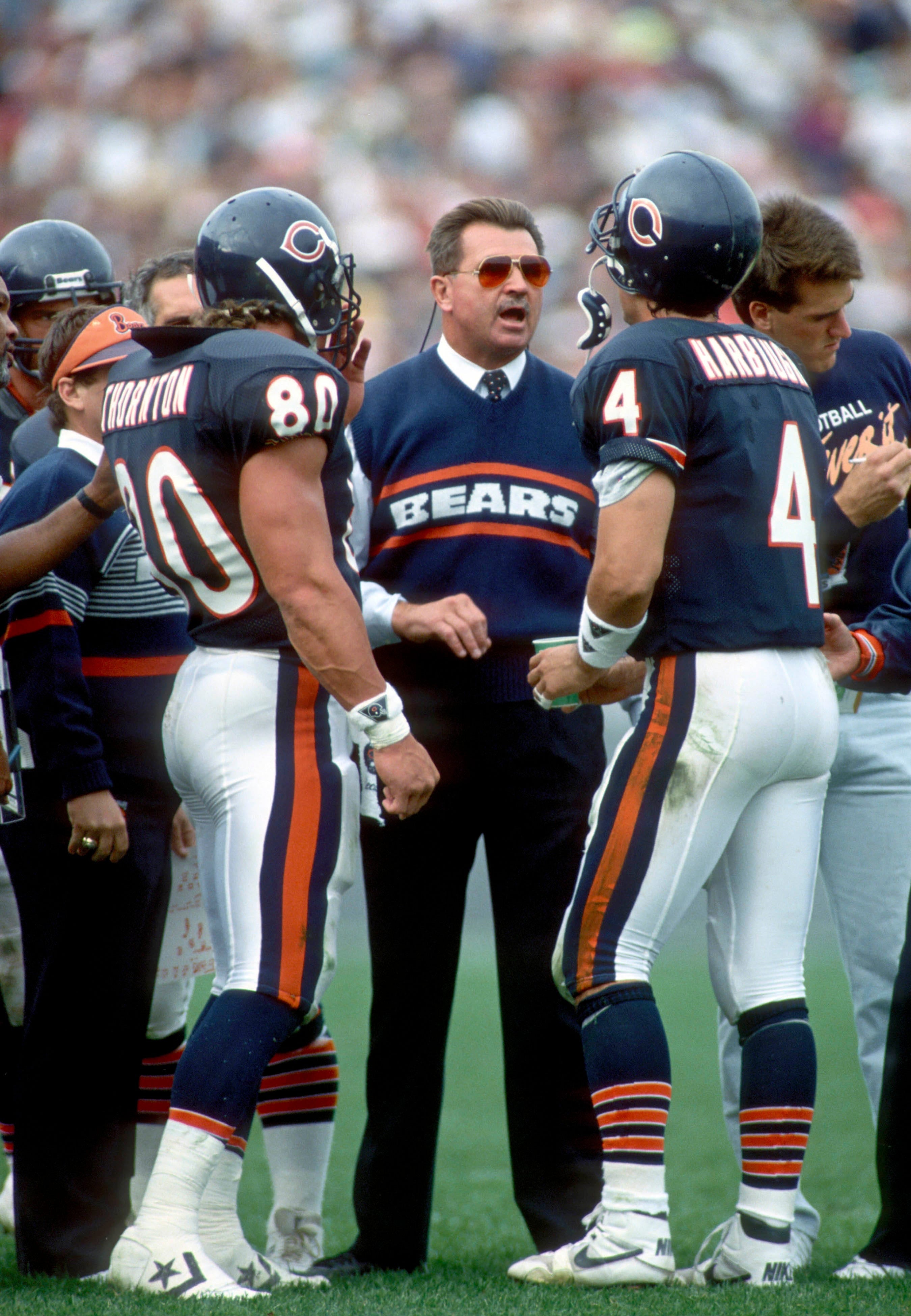
Mike Ditka’s legacy as a coach is often summarized in one place and one season. During an 11-year run as head coach of the Chicago Bears, Ditka’s defining peak arrived in the 1985 season, when the franchise won the Super Bowl. In a recent look back, Yahoo Sports used a series of “defining coaching moments” to revisit why Ditka’s approach still reads like a blueprint for how football personalities construct confidence.
The story also focuses on something Ditka said repeatedly, and it serves as an entry point into his coaching identity. Ditka once described an intention to live to be 150 years old, a line that, on its face, is more personality than promise. But the article presents it as more than a quip, describing it as part of a distinct, very Ditka-style rationale whenever he was asked about the goal.
In the same frame, the piece connects longevity to a coaching reality: when you build an environment that expects work, discipline, and durability, the culture has to outlast the immediate week-to-week cycle. For Ditka, the connection between length of life and length of effort is the through-line. Even when the topic is far from play-calling, the emphasis is still on mindset, consistency, and refusing to treat time as a limiter.
Ditka is also remembered in football history as more than a coach. He was a Hall of Fame tight end before his sideline fame, and the Yahoo Sports piece positions him as a figure who carried that player’s instincts into coaching. That matters because the best coaching legacies often share a trait: they are built by someone who has already lived inside the details of the sport, not just watched them.
The most tangible marker of that legacy remains the Bears’ 1985 championship run. The article, in recalling his Bears years, points directly to the Super Bowl as the headline accomplishment, while using the “defining moments” format to highlight how Ditka explained himself. In other words, the championship is the proof, and the personal philosophy is the method.
There is, however, a caveat in how this kind of retrospective works. Long-form profiles and memory-based “moments” can elevate narrative consistency over complete chronological detail. This particular piece is best read as a portrait of how Ditka described his own motivation and how those descriptions reflect his coaching character, rather than as a comprehensive record of every tactical decision in Chicago.
For fans, the immediate takeaway is less about dates and more about identity. Ditka’s message, as presented in the article, is that competitive energy should be durable, not seasonal. The Bears championship provides the historical anchor, while the recurring theme of wanting to live to 150 years old gives the story its personality hook.
What to watch next, if this retrospective continues, is how writers place Ditka’s personal philosophy alongside measurable career milestones. When that balance is right, the legacy becomes clearer: the Super Bowl win is the destination, and the “why” behind it is what coaches and players often try to adopt long after the final whistle.
Why It Matters
- Ditka’s coaching identity helped define how many fans and players interpret leadership in the NFL, not just championship outcomes.
- Revisiting the 1985 Bears title through “moments” emphasizes culture-building alongside X-and-O decision-making.
- Personal philosophy, such as Ditka’s stated view of longevity, can influence how coaching legacies are taught to new generations.
Key Facts
- Mike Ditka coached the Chicago Bears for 11 years, and his tenure included a Super Bowl win in 1985.
- Ditka is also recognized as a Hall of Fame tight end before becoming a head coach.
- The article highlights Ditka’s stated goal of living to be 150 years old.
- Yahoo Sports presents the piece as a set of “defining coaching moments” focused on Ditka’s approach and self-explanations.