
THE APEX TIMES
Mike Ditka’s Saints era is remembered for toughness, not just a Hall of Fame résumé
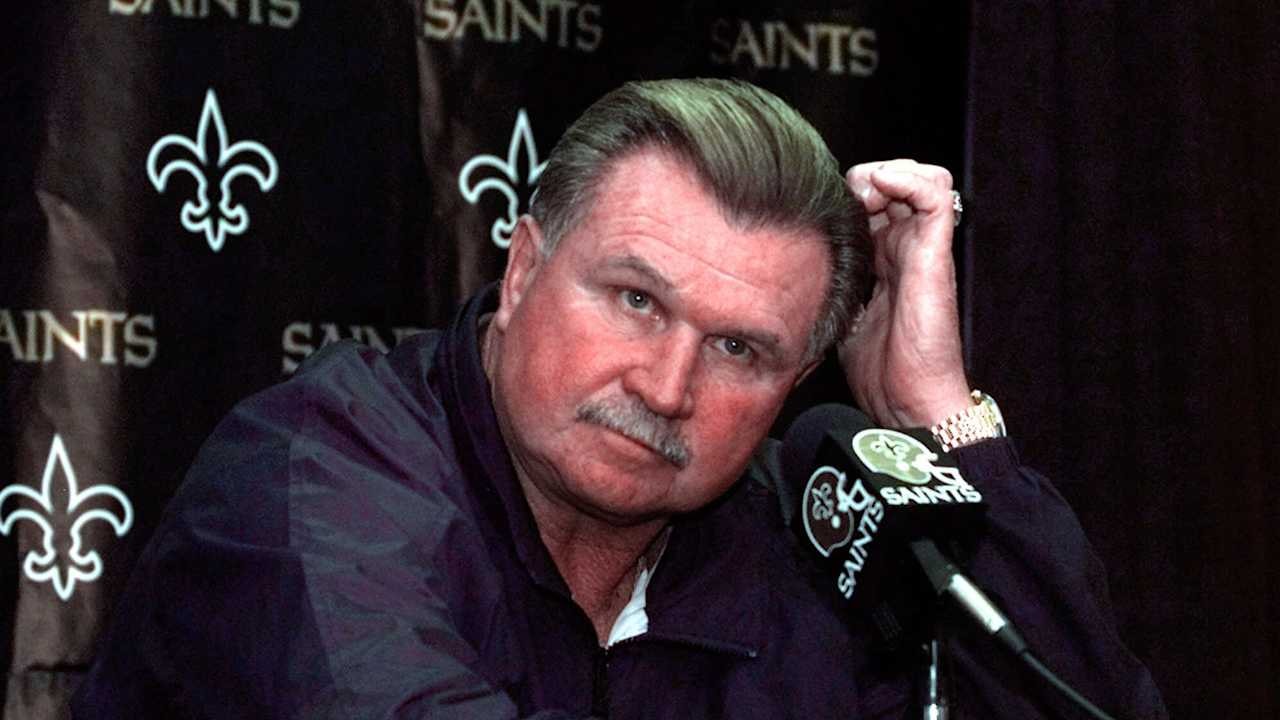
In a look back at his three-season stint with New Orleans from 1997 to 1999, the franchise highlights how the former coach’s football identity helped reshape the team’s culture during a pivotal era.
Mike Ditka’s legacy is usually measured in trophies and milestones, including Pro Football Hall of Fame recognition and championships that came after his playing career. But the New Orleans Saints’ own tribute frames his “best and most successful NFL days” as something more specific than his time as head coach, arguing that his impact in the franchise’s late-1990s window was still central to how the organization understood itself on and off the field.
According to the Saints, Ditka’s reputation for toughness and forceful football thinking carried an organizing purpose when he arrived in New Orleans. The team’s account points to his tenure spanning the 1997, 1998 and 1999 seasons, describing those years as a period when he helped “center the football universe around the franchise,” even if his most celebrated successes were tied to earlier chapters of his career.
The Saints’ remembrance places Ditka’s coaching identity next to his decorated resume as a player. The franchise notes he is a Super Bowl champion and also earned NFL Offensive Rookie of the Year honors, qualifications that speak to a lifelong connection to elite-level performance standards. In that context, the Saints’ message is not that Ditka transformed the team overnight, but that his presence helped establish a clear standard of physical, detail-driven play that players and staff had to meet.
What made Ditka’s NFL profile distinctive, in the way the Saints present it, was the consistency of his theme. Whether discussing the route from his Hall of Fame career to his coaching role, or tying his playing accolades to his coaching approach, the franchise emphasizes that Ditka’s toughness was not a coaching slogan. It was framed as a method, a way to run meetings, shape preparation, and demand accountability.
The Saints’ tribute also reinforces how NFL careers can be evaluated differently depending on what you are measuring. Ditka’s career is already secure in public football history through Hall of Fame status and major championship context. The organization’s focus, however, is on the period when his voice, reputation, and coaching standards became part of the Saints’ organizational identity during 1997 to 1999.
For fans, the significance of revisiting this era is that it offers a lens on team-building in the NFL. A coach’s record can tell one story, but the cultural residue of a high-profile football mind can last longer than any single season, especially for franchises still learning their direction. In the Saints’ telling, Ditka helped provide that direction during a formative stretch, even as the most widely known peaks of his career occurred elsewhere.
Looking ahead, the practical question is what modern teams can still borrow from that framework. Ditka’s career suggests that the loudest football voices often leave behind more than play-calling; they leave behind expectations. For New Orleans, revisiting Ditka’s Saints years is also a reminder of how the franchise has used notable coaching identities to define what “Saints football” should feel like, and what level of toughness the building blocks must demand.
Why It Matters
- Ditka’s legacy is often summarized through awards and championships, and the Saints’ perspective adds emphasis on cultural impact during a specific team era.
- For NFL franchises, the 1997-99 period is a reminder that coach-driven standards can shape organizational identity beyond single-season outcomes.
- The tribute underscores how a high-profile figure can influence expectations, preparation habits, and team messaging over time.
- Revisiting Ditka’s Saints years offers context for how New Orleans has historically treated coaching hires as indicates of what the franchise wants to be.
Sources
Key Facts
- The New Orleans Saints published a look back at former coach Mike Ditka.
- The Saints describe Ditka’s head coaching tenure as spanning the 1997 through 1999 seasons.
- The Saints’ tribute highlights Ditka’s Pro Football Hall of Fame career.
- The tribute also references Ditka as a Super Bowl champion.
- The Saints’ account notes Ditka earned NFL Offensive Rookie of the Year honors.
- The Saints describe Ditka as helping “center the football universe around the franchise” during his three-year stint.