
THE APEX TIMES
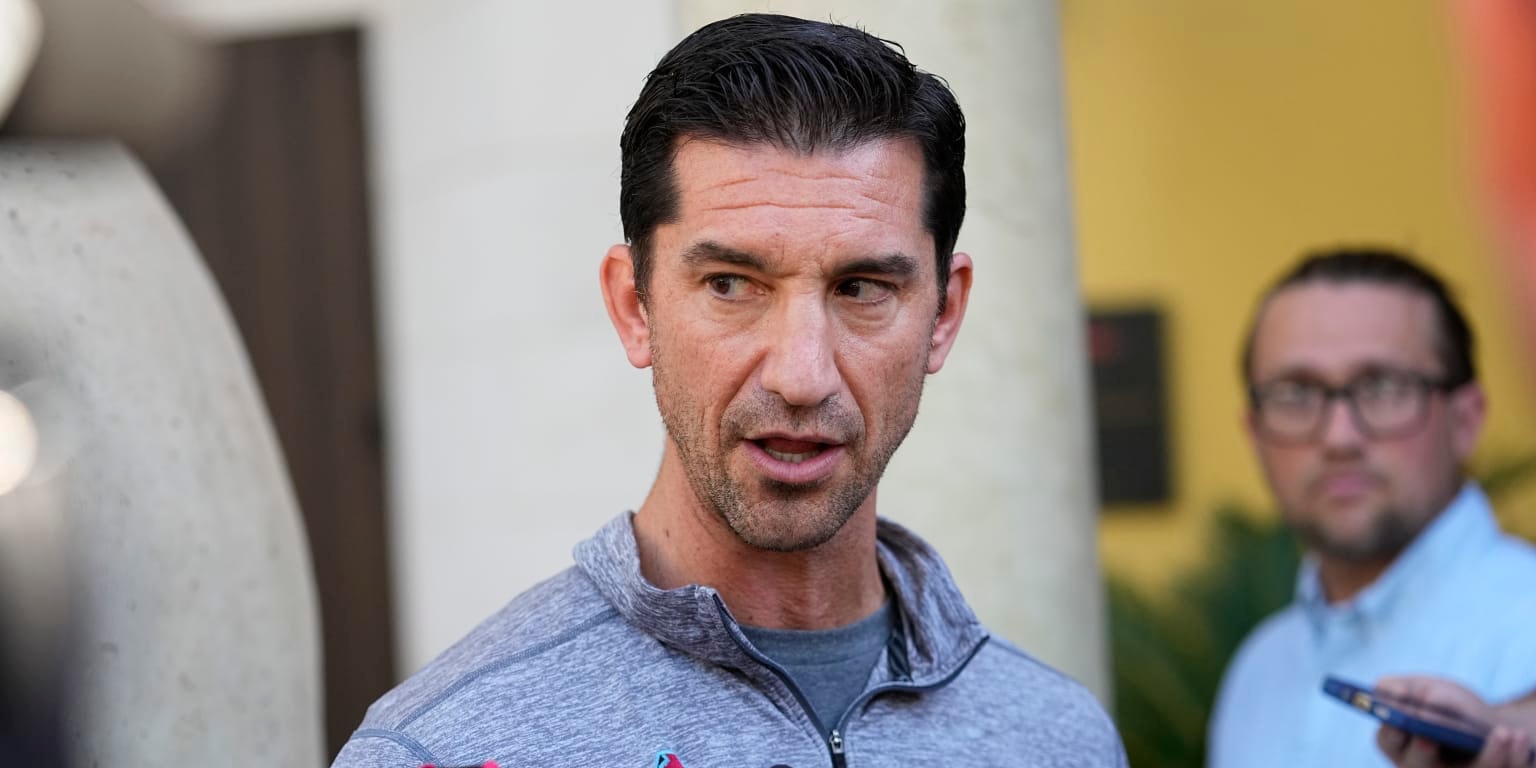
Mike Hazen wants the Diamondbacks to “go out there and play our best baseball” as the All-Star break nears
Ahead of a seven-game road trip that closes the first half, Arizona’s general manager pressed for execution over outside noise, drawing a contrast to last year’s post-Deadline posture.
PHOENIX. With the MLB calendar tightening toward the All-Star break, the Arizona Diamondbacks are turning their attention to one straightforward task: playing their best baseball in the games that end the first half. General manager Mike Hazen addressed that message as the organization prepared to leave on a seven-game road trip, framing it as the right time to focus on process rather than distractions.
Hazen’s comments carried a clear reminder of how different this moment is from the one the franchise faced a year ago. He acknowledged that he spoke similarly on the heels of the Trade Deadline last season when the Diamondbacks were in a seller’s role. This time, he said he wanted the organization to approach the final stretch before the break with a more confident, competitive mindset, emphasizing the need for the team to execute in real time.
The Diamondbacks’ front office, in Hazen’s telling, is trying to prevent a familiar seasonal drift from setting in. Late June and early July can create a tug-of-war between scoreboard urgency and longer-term planning. In Hazen’s view, the appropriate response is to direct attention to what the club can control on the field, starting with how they play during the road trip and how they carry that through to the All-Star break.
That framing matters because the first half does not only set up the All-Star festivities. It also shapes how an organization evaluates its path, including the types of decisions teams make later in the summer. Even when front offices have a long horizon, the immediate standard is still performance. Hazen’s remarks suggest the Diamondbacks want to be judged, and to judge themselves, on the quality of at-bats, defensive sharpness, and the ability to sustain momentum against major-league opponents.
Arizona’s decision to speak publicly at this point also underscores how the organization views leadership and clarity. By putting the message in the open, Hazen was essentially instructing the roster to treat the remaining schedule as more than calendar pages. The team’s challenge, as outlined by the general manager, is to translate preparation into results, then use those results to enter the break with momentum rather than lingering questions.
Importantly, Hazen’s message was not delivered as a promise of a specific roster outcome. The comments were about approach, effort, and baseball decision-making, not about making trades, signing players, or changing the club’s construction. That distinction is significant because it limits what can be read into the statement: the emphasis was on play, not on personnel.
Looking ahead, the seven-game trip that closes the first half becomes the practical proving ground for the themes Hazen highlighted. What to watch is whether the Diamondbacks can consistently apply their best baseball over multiple opponents and game states, and whether the team’s identity shows up in day-to-day execution. If they do, Arizona will have used the period before the All-Star break the way Hazen is urging, turning late-season ambiguity into on-field clarity.
For now, Hazen’s central point is simple and blunt: the team needs to go out and play its best baseball. In a league where the margin between contender and pretender can be measured in habits, that kind of message is less about rhetoric and more about setting a baseline that the players can control immediately. The All-Star break will arrive soon enough, but the Diamondbacks’ work, at least in Hazen’s framing, starts right now on the road.
KeyFacts needed
Why It Matters
- How a team plays in the final stretch before the All-Star break often influences both internal confidence and external perception, shaping the tone of the second half.
- Front-office emphasis on execution can help a roster avoid seasonal distractions as the trade market and schedule pressure intensify.
- A seven-game road trip is a meaningful multi-game sample for consistency, especially when teams enter the break with different kinds of momentum.
- By contrasting this year with last year’s seller posture, the Diamondbacks are indicating a different competitive mindset going forward.
Key Facts
- Arizona Diamondbacks general manager Mike Hazen addressed the team ahead of a seven-game road trip that closes out the first half of the season.
- Hazen emphasized the importance of the team going out and playing its best baseball.
- Hazen referenced speaking last year just after the Trade Deadline when the Diamondbacks were in a seller’s role.
- The comments were delivered in the context of approaching the All-Star break.
- Hazen’s focus was on approach and execution rather than announcing personnel changes.