
THE APEX TIMES
Mike Trout and the Angels sound an optimistic note after Stan Kroenke agrees to buy the franchise
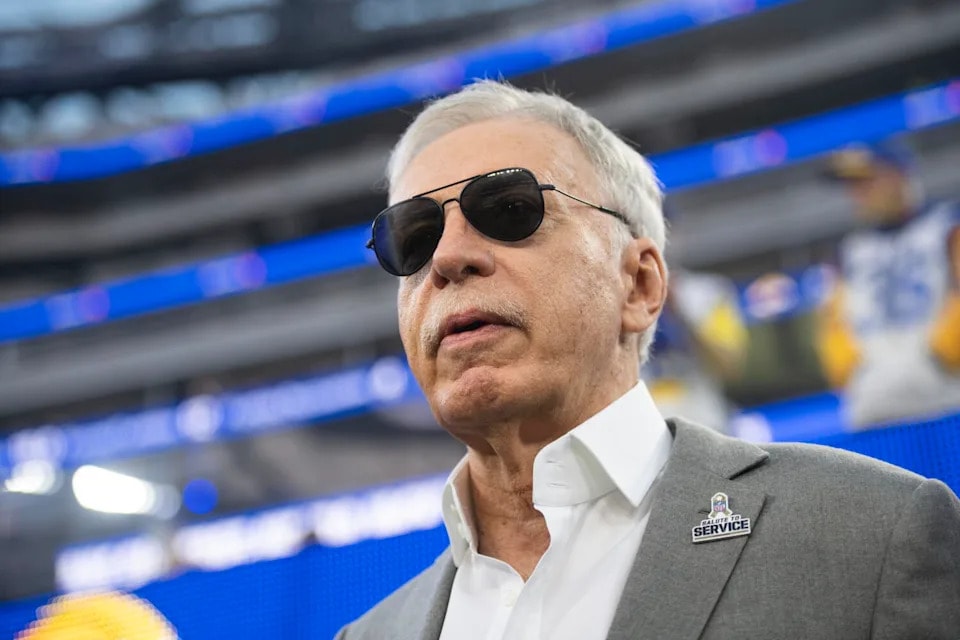
The longtime star’s visible enthusiasm captured the mood at Angel Stadium as the club announced a pending agreement in which Rams owner Stan Kroenke would acquire a majority stake of the Angels, subject to MLB approval and regulatory review.
Stan Kroenke’s agreement to purchase a majority stake of the Los Angeles Angels was met with an unmistakably upbeat reaction inside Angel Stadium, and Mike Trout’s demeanor turned that optimism into something close to a public soundtrack for the day. In a brief interview, Trout returned to a theme that suggests more than sentiment, saying “fresh start” repeatedly as he reflected on what a new ownership situation could mean for the organization.
Kroenke, best known as the owner of the Los Angeles Rams, is now at the center of a major franchise shift. According to the report, the deal would place Kroenke in control of the Angels on an ownership level that, if finalized, could reshape the club’s decision-making and long-term planning. The franchise’s next steps are not automatic, however. The agreement is pending regulatory review and MLB approval, which means the Angels remain in a “wait-and-see” phase even as the announcement has already altered the atmosphere around the team.
Trout’s reaction matters because it comes from the kind of continuity almost every rebuilding project tries to keep. As the Angels’ face of their modern era, the two-way burden of being both a team leader and a barometer for organizational ambition is unique. When a star who has spent years carrying the expectations of a market expresses excitement about a reset, it indicates that players are looking for ownership-level clarity and a clear path to contention, not just a change in title or branding.
The language around Kroenke’s acquisition also places expectations on what comes next for the Angels, from baseball operations to how resources are allocated. While ownership change does not guarantee immediate on-field results, it typically changes the timeline on which management is expected to deliver a competitive roster. That is particularly relevant for a franchise that has needed steadier progress and more consistent roster construction to move from hopeful seasons to sustained playoff relevance.
For the players in the clubhouse, the ownership storyline is also about day-to-day direction. New owners often bring different philosophies on player development, analytics, spending priorities, and how quickly prospects are asked to contribute. Even before any “fresh start” can be translated into roster moves, the perception of stability can influence how confidently the organization plans for the next cycle of player acquisitions and internal development.
There is also a broader MLB context to consider. League approval and regulatory review are part of the normal process for high-profile ownership transactions, and they create a built-in pause where uncertainty lingers. The Angels’ announcement, then, functions as a catalyst for optimism rather than a completed transaction. Until MLB’s approval is granted, all parties are effectively operating with an understanding that the final outcome could still be delayed.
The next chapter for Angel Stadium will arrive in stages. First is the completion of the process required for Kroenke’s purchase to take effect. After that, fans and players alike will judge whether the “fresh start” Trout described becomes visible in baseball operations, roster building, and the club’s overall competence on the field. In the meantime, the message from the franchise’s star is clear: the Angels are framing this moment as an opening, and they want their people to believe the organization is ready to move forward together.
Kroenke’s entry into Angels ownership is not a guarantee of success, and it does not erase the realities of baseball, including player development timelines and roster turnover. Still, the immediate emotional impact at the ballpark is telling. For an organization trying to reestablish trust with its fan base and create momentum that survives beyond a single season, a star’s belief at the start of a new ownership era is a meaningful first step.
Why It Matters
- Ownership change can alter how quickly a franchise commits to rebuilding and how it prioritizes spending, development, and roster construction.
- A star player’s public optimism can shape internal expectations and the confidence level of a clubhouse during a transitional period.
- MLB approval timelines add uncertainty, which means the Angels’ “next step” will unfold after a process milestone rather than immediately on the field.
- The Angels will be judged not by the excitement of the announcement, but by whether the organization’s plan after the transaction produces sustained competitiveness.
Sources
Key Facts
- Stan Kroenke has agreed to purchase a majority stake of the Los Angeles Angels, according to the report.
- The agreement is pending regulatory review and MLB approval.
- Mike Trout expressed enthusiasm tied to the idea of a “fresh start,” repeating the phrase multiple times in a brief interview.
- The Angels announcement and Trout’s reaction contributed to a visibly optimistic atmosphere at Angel Stadium.
- The deal, if completed, would represent a major shift in franchise ownership and likely influence long-term organizational direction.