
THE APEX TIMES
Misiorowski’s 103.9 mph heater punches through Minnesota early, but Twins’ homers set up a 10th-inning fight
Jacob Misiorowski began with 21 straight four-seam fastballs and struck out nine, yet the Twins answered his power run with two home runs. Minnesota still fell short in a 10-inning loss Sunday in Milwaukee.
Sunday afternoon in Milwaukee turned into a pitching duel built on one fastball. Jacob Misiorowski, starting for the home club, was up near the top of the zone with velocity that ticked up into the 103.9-mph range, and he controlled the strikeout pace as the innings stacked up.
Misiorowski’s command had an unusual consistency at the front of the game. According to the team’s account, he opened with 21 consecutive four-seamers, and that plan played out as a problem the Twins could not solve early. He finished the outing with nine strikeouts, with the fastball doing the heavy lifting for the majority of his outs.
For much of the contest, Minnesota’s approach appeared to be shaped by the reality that Misiorowski’s fastball was not merely fast, it was arriving at spots where swings had to be precise. When a pitcher is landing 103-plus velocity repeatedly at the top of the zone, even well-timed contact can turn into quick outs, weak chase, or strike three.
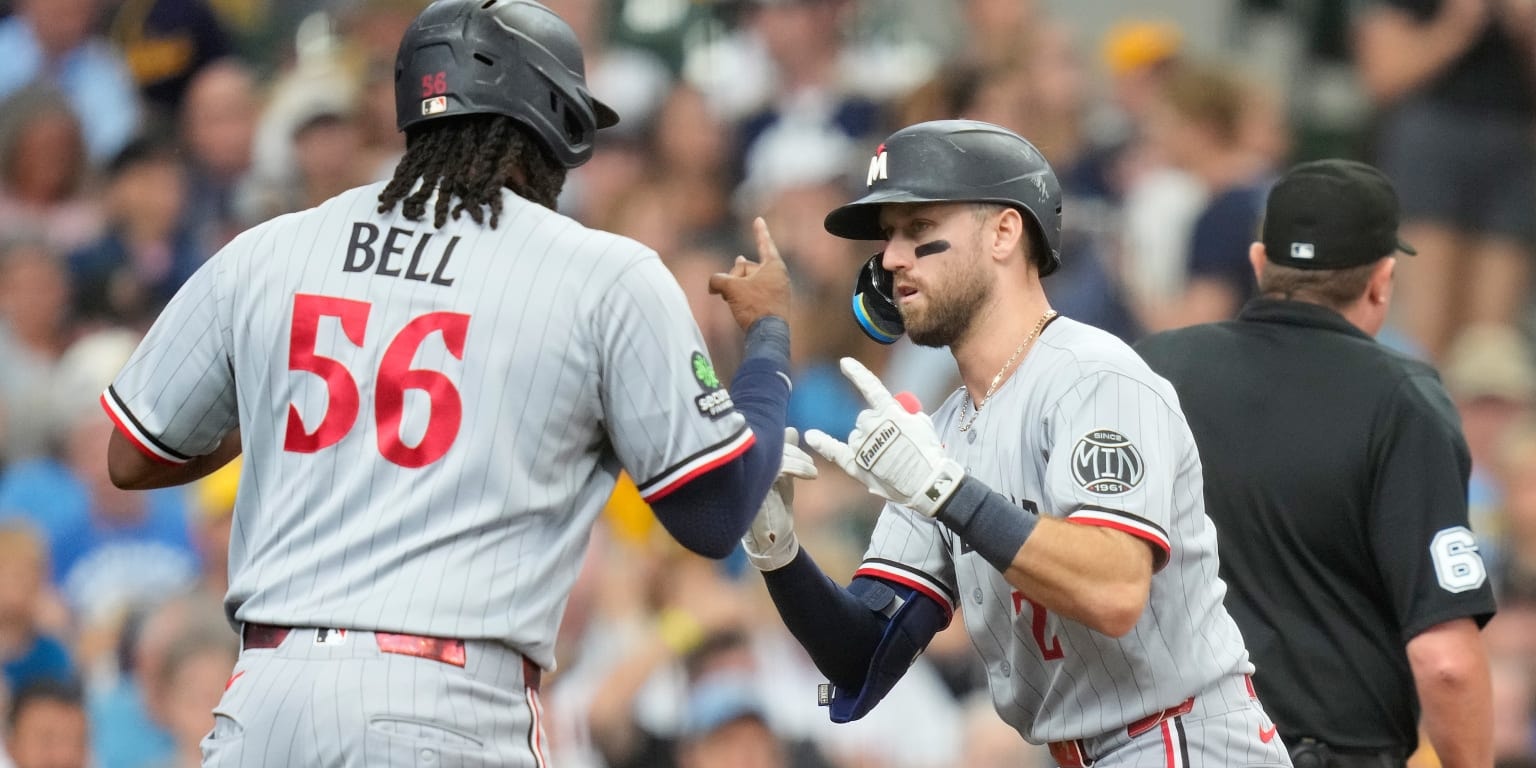
The turning point came from the Twins’ willingness to take power swings and back themselves when the timing finally offered a window. In the same game story, the club reports that Minnesota hit two home runs off Misiorowski, a notable counterpunch against a starter who had looked overpowering in the early going.
Even with those home runs, the Twins could not turn the momentum into a win. The outcome was decided after nine innings, and Minnesota ultimately fell short in 10 innings. The loss frames the day’s theme: the Twins demonstrated they could damage Misiorowski when they found their pitch, but they could not string together enough late-run production to close it out.
What to watch next is how Minnesota responds to the swing-and-miss tension that this kind of start can create. When a pitcher begins with a long run of the same pitch type and keeps living in the same high-velocity area, hitters often need multiple at-bats to adjust their timing. The Twins will likely lean on what worked in the home-run moments, while also searching for more consistent run creation before games push into extra innings.
Why It Matters
- For Minnesota, the game was a reminder that a power-hitting answer can exist even against dominant velocity, but it has to show up with timing and consistency beyond one or two swings.
- For Misiorowski, the outing demonstrates a high-ceiling command plan early in games, especially with a long opening stretch of one pitch type.
- Extra innings extend the margin for error. Teams that can homer do not automatically control late outcomes, which makes bullpen execution and late plate discipline crucial.
- The day’s storyline sets up a practical takeaway: when a starter is this effective early, hitters must commit to a plan that can create scoring opportunities before the game stretches into the 10th.
Key Facts
- Jacob Misiorowski was reported at 103.9 mph with a fastball that “exploded” at the top of the zone.
- Misiorowski struck out nine batters.
- He threw 21 consecutive four-seam fastballs to begin the game.
- Minnesota hit two home runs off Misiorowski.
- The Twins lost the game in 10 innings.
- The game was played in Milwaukee.