
THE APEX TIMES
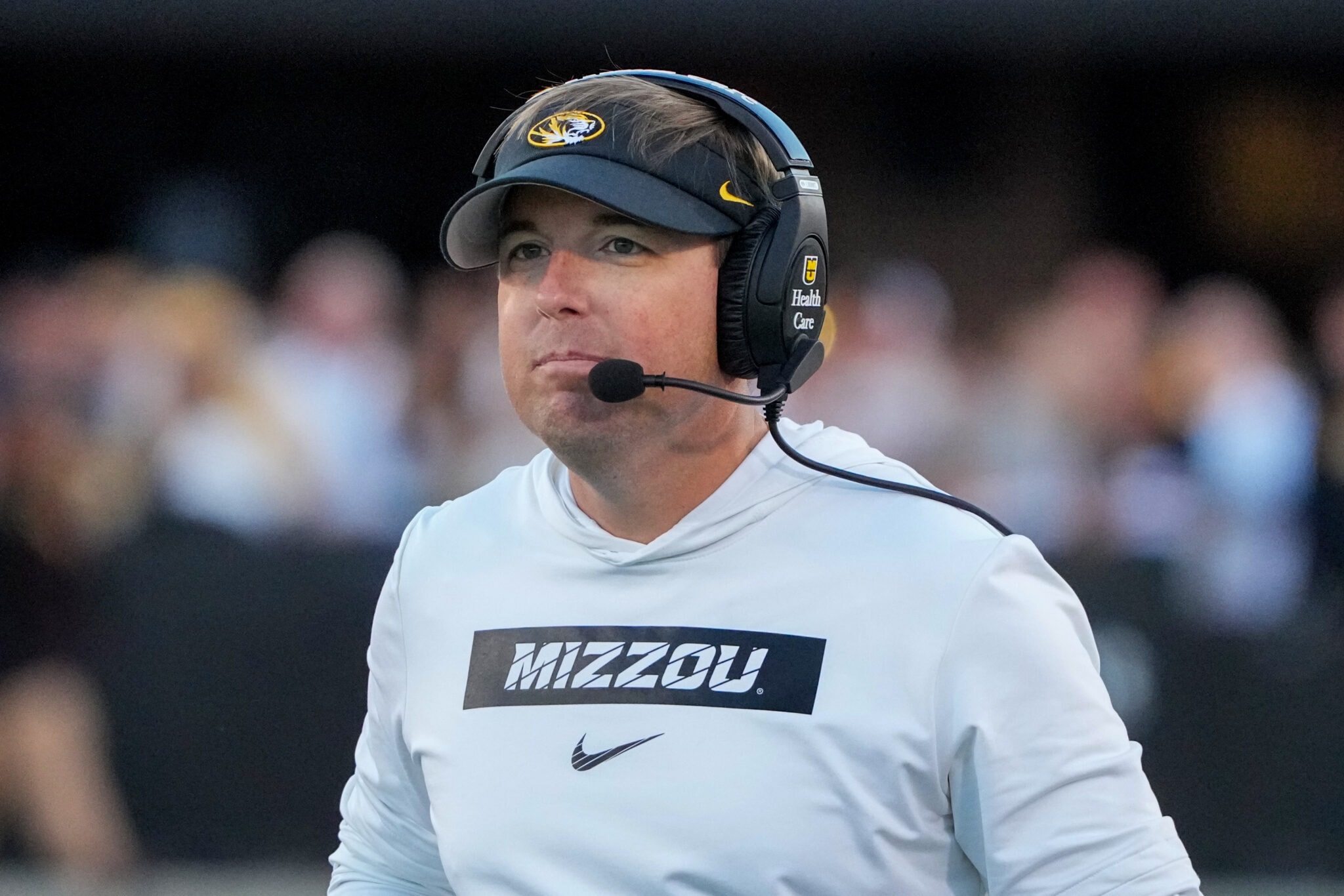
Mizzou coach Eli Drinkwitz says DJ Jones had “like 21 days” before heart transplant
Drinkwitz provided a candid account of the timeline that preceded Johnnie “DJ” Jones’ heart transplant, offering a rare window into the medical urgency that shaped the Missouri freshman’s path to football.
Missouri coach Eli Drinkwitz offered an unusually personal update about the days leading up to Johnnie “DJ” Jones’ heart transplant, describing a timeline that left little room for error. Speaking publicly about Jones, Drinkwitz said Jones had “like 21 days” to live before the procedure, a remark that underscored the immediacy of the health crisis and the thin margin between diagnosis and intervention.
For a college football program, the story arrives on a different axis than X’s and O’s. It is not about play-calling, but about how quickly life-changing events can intersect with the rhythms of a season, especially for a young athlete trying to find his footing at the college level. Jones is described by Missouri as a freshman at the time of the transplant lead-up, which makes the timing particularly stark given the demands placed on incoming players.
Drinkwitz’s comments also frame the transplant as more than a medical headline. A short survival window implies that the football “return” narrative is, in practice, about continuity and support rather than simply toughness. In that context, the coach’s emphasis on the countdown does more than convey seriousness. It clarifies that the transplant was not a long-term planning exercise, but an urgent necessity.
Even without filling in every clinical detail, the reported timeline has implications for how a program and its staff approach preparedness, recovery, and long-range planning. College football organizations typically balance development with durability management, but a transplant story shifts priorities toward medical guidance first, athletic progression second. That can affect how coaches talk about participation, practice structure, and the pace at which an athlete is expected to contribute.
The Missouri staff’s willingness to discuss the “like 21 days” remark publicly also indicates a broader point about athlete welfare. Transplant cases are intensely private, but Jones’ story has already moved into the public arena through his presence in the team ecosystem. Drinkwitz’s update can be read as an effort to give fans and teammates a fuller understanding of why the timeline was so compressed and why support structures matter.
What to watch next is not a depth-chart shift or a performance projection, but how Missouri integrates Jones’ health journey into the practical realities of an SEC schedule. If the program chooses to continue addressing the timeline, it may also shape expectations around availability and the kinds of roles coaches are comfortable assigning while an athlete’s recovery and monitoring continue.
At the same time, it is worth keeping the scope anchored to what is actually known from Drinkwitz’s remarks. The “like 21 days” characterization communicates urgency, but it is not, on its own, a substitute for medical specifics. Any further understanding of Jones’ status should come from confirmed school or medical statements rather than speculation. Regardless, Drinkwitz’s account places the most dramatic part of the story before the transplant at the center of the conversation, and that is likely to remain the most important detail for Missouri supporters.
Why It Matters
- It highlights the human stakes that can sit behind roster decisions and practice participation in college football.
- It can influence how Missouri and its fans understand Jones’ development and availability in the SEC’s fast, weekly cadence.
- It serves as a reminder that some athlete stories are shaped by urgency and recovery, not by offseason conditioning alone.
- It may affect broader conversations inside programs about athlete health support and monitoring.
Sources
Key Facts
- Missouri coach Eli Drinkwitz said Johnnie “DJ” Jones had “like 21 days” to live before undergoing a heart transplant.
- The comments were provided as an update on the lead-up to Jones’ transplant, describing the urgency of the medical situation.
- The remarks position the transplant timeline as a defining context for Jones’ college football path.
- The story emphasizes how health timelines can directly shape a college program’s approach to an athlete’s participation.
- The reporting is based on Drinkwitz’s public comments as covered by Saturday Down South.