
THE APEX TIMES
MLB All-Star voting enters its second phase, and the case for James Wood’s support is getting louder
MLB’s All-Star starters are shaped by a two-part fan ballot, and this year’s conversation is centered on whether voters have shown enough attention to Washington’s James Wood.
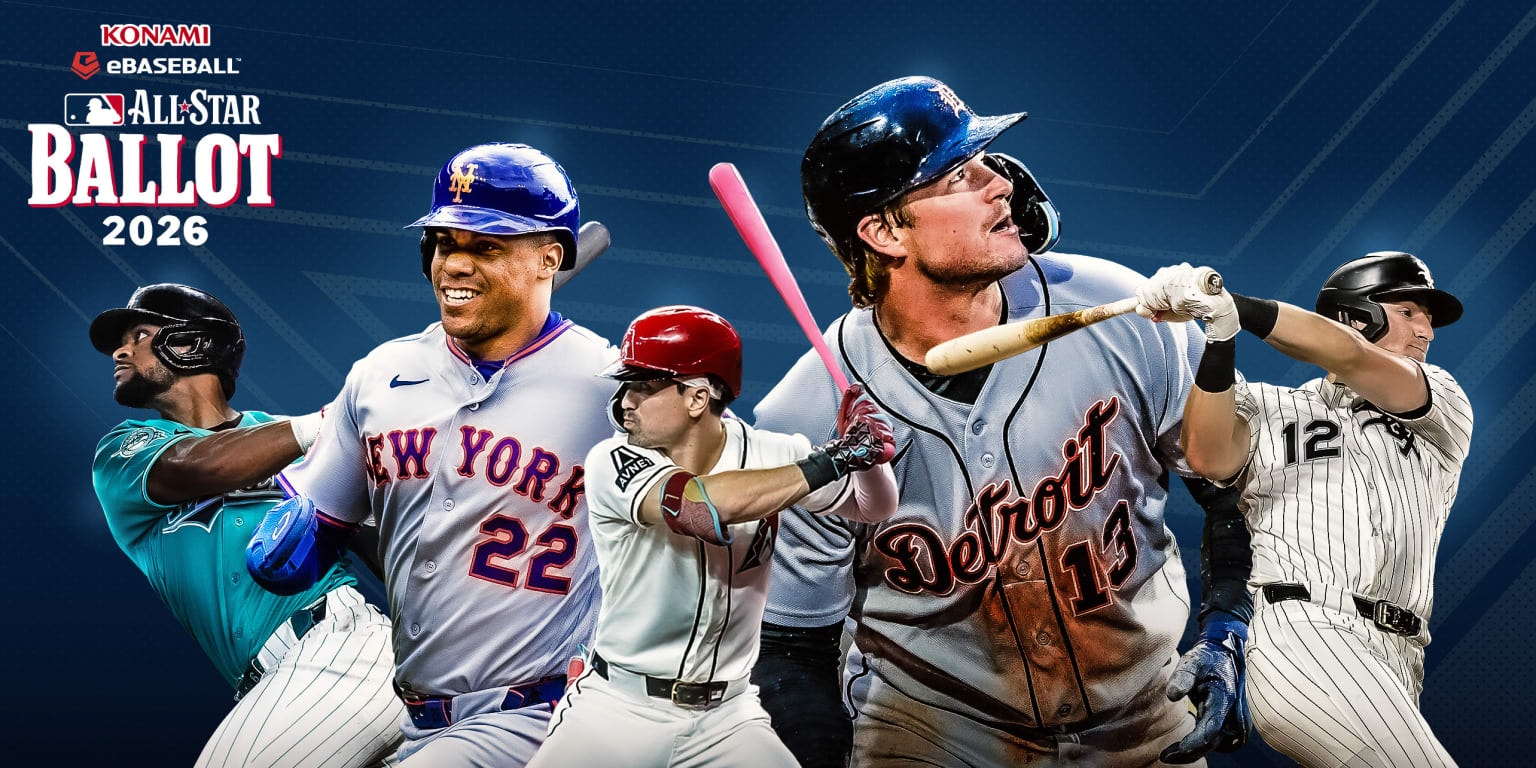
Major League Baseball’s process for choosing All-Star starters is deliberately designed to keep fans engaged across two fan-voting phases, and the latest push is aimed at one player in particular: James Wood. In an feature posted Tuesday, the league highlighted how the balloting format works, then argued that voters still have time to adjust their support as selections move from first-round tallies toward the final starter totals.
MLB’s All-Star balloting for starters is conducted in two steps. In the first phase, fans cast votes to shape the early leaderboard for each position. After that initial period ends, votes are carried into a second phase where fans can make a fresh case for the players they want to see in the starting lineup. The key point, as MLB frames it, is that the system is not a one-and-done popularity contest decided early in the voting window.
MLB’s story focuses on Wood as an example of a player it believes deserves more attention from fans during that second phase. The argument is less about claiming that early leaders are illegitimate and more about the mechanics of how the two-part system allows voters to change the outcome before starters are finalized. In other words, the format gives supporters a chance to catch up, not just to recognize a trend.
For the Nationals, that matters because the All-Star starters are the face of the roster on the field. Even when reserve spots and final roster selections come later, starter voting can reflect what a team’s fan base is rallying behind at midseason. For a franchise building momentum and looking to show off its young core, a starting spot can be a meaningful report to the wider baseball landscape.
There is also a practical dimension to the debate. Fan votes in MLB’s system are position-based, meaning the pool for a given spot is competed over by multiple candidates at once. If voters prioritize “set-and-forget” decisions early, players who surge later can be constrained by the way attention was distributed at the start. MLB’s column essentially urges voters not to stop once the first phase ends, because the second phase is where totals can shift.
What to watch next is how the second-phase voting plays out across each position, and whether the Wood argument translates into more first-place or top-two positioning on the ballot. With the starter list still in play under the two-phase process, the story’s core message is straightforward: the final outcomes are still being decided by fan behavior, not just by early visibility.
Ultimately, MLB’s All-Star voting format is engineered to keep a midseason narrative alive, even for players whose campaigns do not dominate the first phase. The league’s appeal, voiced through its feature about Wood, is a reminder that fans still have agency over the starting lineup, and that late attention can carry real weight before the starters are locked in.
Why It Matters
- Starter voting can shape how a team’s roster is represented on the All-Star field, not just in reserve roles.
- Because votes occur in two phases, late surges are possible, and early leadership does not fully determine the final starters.
- For young teams and rebuilding clubs, a starter berth can amplify attention on developing players at the league’s biggest stage.
- The structure of position-based ballots makes voter distribution across candidates a key factor in who wins starter spots.
Sources
Key Facts
- MLB’s All-Star starter balloting is conducted in two fan-voting phases.
- MLB’s feature outlines the balloting format and emphasizes that fans can influence outcomes after the first phase.
- The story specifically argues that James Wood deserves more votes as the process moves forward.
- All-Star starters are selected through position-based fan voting, which creates competition among candidates at each role.
- The second phase provides a window for voters to adjust their support before the starting lineup is finalized.