
THE APEX TIMES
MLB.com revisits the 2016 Draft, asking what teams missed when the consensus leaned risk-heavy
A decade later, MLB.com takes a fresh look at the 2016 amateur class through a redrafting lens, arguing that the profile that scouts liked least at the time, high school pitching, carried the biggest volatility.
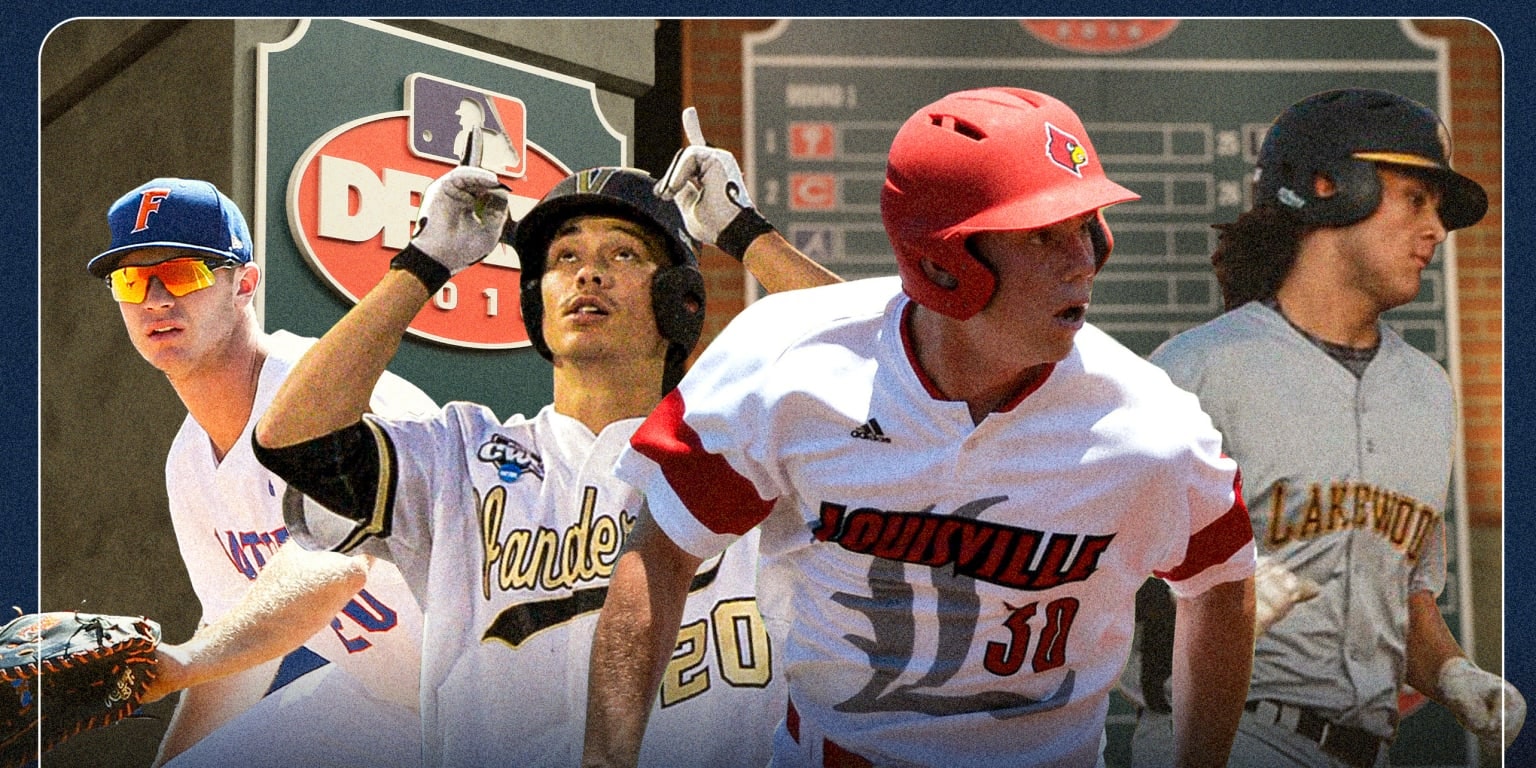
Ten years after the 2016 MLB Draft, revisits how the class aged, and why the conversation at the time sounded different than the careers it eventually produced. The key argument is not simply that individual prospects succeeded or failed, but that the underlying “type” of talent teams leaned on in 2016 created a wide distribution of outcomes, with the most prized demographic also the hardest to project.
frames the draft’s defining feature as pitching variance, especially from high school arms. In the redraft exercise, that same group is described as the strongest but also the riskiest, a combination that complicates development timelines, injury forecasting, and projection of command. For teams selecting in that mode, the path from draft day to meaningful major-league innings is often less direct, and the margin for error tends to shrink as rosters tighten.
On the position-player side, suggests the 2016 class contained college bats with real quality, but that none of the “best college hitters” were considered a lock to remain in the middle of the diamond long term. That distinction matters because it speaks to the difference between a player who can hit versus a player who can hit while also meeting the defensive and athletic demands of central infield roles. When a prospect’s future position is in question, teams may gain value on the bat while paying a development tax on the field.
The same logic is applied to college arms, with describing that even some of the top college pitching prospects did not meet expectations once evaluated at the next level. In other words, the uncertainty was not confined to the high school pipeline. Development, workload management, and the translation of college success to pro hitters all remain moving targets, and the redraft approach treats those translation risks as a deciding factor.
The Orioles and Cardinals clubs featured in ’s distribution of the piece, but the topic is framed as league-wide. Redrafting a past class is inherently hypothetical, and any exercise depends on what you value in hindsight, whether you prioritize floor-projection, immediate upside, or the likelihood that a prospect will contribute with positional certainty. ’s take emphasizes that 2016 can be read as a case study in how scouting risk tolerance can shape a decade of farm-system outcomes.
There is also a broader team-building implication. When a draft’s early perception points toward uncertainty in multiple player archetypes, organizations often have to compensate with additional high-leverage selections, stronger development inputs, and patience through cycles. That can affect how teams balance the next draft against the current farm reset, and it can influence how resources are allocated between pitching depth, defensive versatility, and long-term offensive profiles.
What to watch next is how teams apply those lessons to current roster construction. As scouting tools and player development patterns evolve, the central question is whether decision-makers can better identify which prospects’ tools will translate predictably, and whether they can reduce the “projection gap” that leads to over-valuation of certain demographics or under-valuation of others. The 2016 redraft does not offer a single answer, but it reinforces that draft evaluation is as much about managing risk as it is about finding talent.
Why It Matters
- How teams draft is often a bet on projection quality, and the 2016 class is used to show how risk profiles can widen outcomes.
- Positional certainty can be as important as hitting quality, especially for prospects tied to central infield roles.
- Pitching volatility affects both timeline planning and organizational depth, influencing how quickly farm systems supply major-league help.
- Redrafting exercises highlight the tradeoffs organizations face when choosing between high-upside archetypes and more stable development paths.
Sources
Key Facts
- revisits the 2016 MLB Draft from a “redrafting 10 years later” perspective.
- The piece argues that high school pitchers represented both the strongest and riskiest demographic in 2016.
- contends that standout college hitters in 2016 were not guaranteed to stay in middle-infield roles.
- The article also suggests that top college arms from the class did not universally meet expectations in pro baseball.
- The exercise is framed as a league-wide scouting and development lesson rather than a one-team regrade.