
THE APEX TIMES
MLB Draft Combine returns to Phoenix, spotlighting emerging high school and college bats, arms
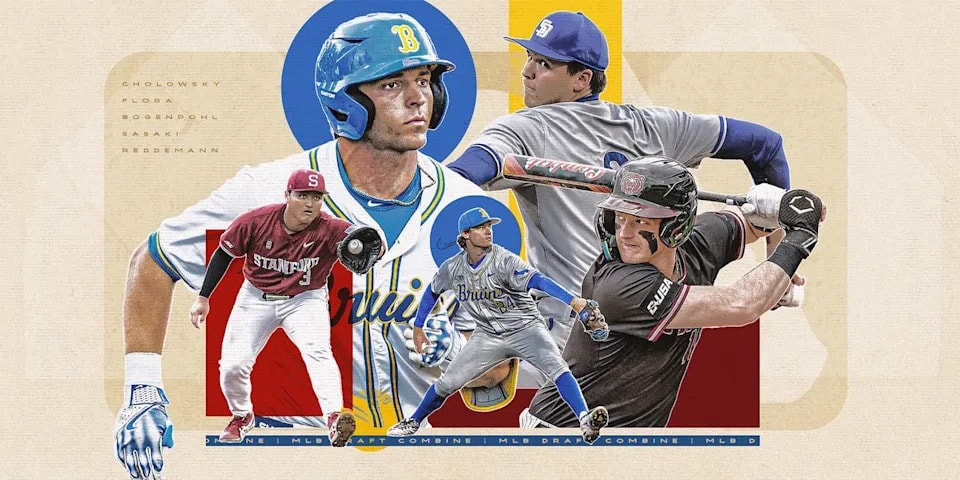
More than 300 amateur prospects worked out and interviewed in front of major-league club personnel at Chase Field as the MLB Draft approaches. Among the standout names being watched are Roch Cholowsky, Jackson Flora and Rintaro Sasaki.
The MLB Draft Combine marked a new round of face-to-face evaluation in advance of the MLB Draft, returning for its sixth annual stop in Phoenix. Held at Chase Field, the event brought together more than 300 amateur prospects from high school and college programs across North America for on-field workouts and interviews with major-league clubs.
The timing matters. The July 11 MLB Draft is now the central roster-building focus for organizations, and combines are one of the last chances for clubs to compare notes on tools, athleticism and process readiness across a broad class. For players, it is also a public stage where offseason work is translated into measurable performance and personal interviews.
According to coverage of the combine, the list of players attracting extra attention includes Roch Cholowsky, with the scouting conversation framing him as a possible top-of-the-draft type. Cholowsky, along with other high-upside amateurs, is being viewed as a prospect whose profile could shape how teams decide to prioritize early selection strategy, whether that means building around premium impact or adding foundational talent they expect to develop quickly.
The focus is not limited to one location or one profile type. Rintaro Sasaki is among the names highlighted by the combine coverage, reflecting how clubs also weigh international and less-familiar backgrounds alongside domestic college and prep players. At this stage, interviews and structured workouts are intended to help organizations separate raw upside from projection risk.
Jackson Flora is another standout being watched at the combine, with the coverage placing him among the prospects worth monitoring as the draft approaches. For clubs, standouts like these can influence internal boards, particularly when teams are balancing immediate organizational needs against the long-term value of elite skill sets.
What the combine does not settle is the final draft order or any individual outcome. Teams still must reconcile what they saw on the field with the full range of information they gather over the summer, including background checks and pre-draft evaluation. Even so, the combine remains a key checkpoint because it compresses many prospects into a single location where clubs can compare them more efficiently.
For fans, the next step is the MLB Draft itself, beginning July 11. The players singled out during this week’s workouts and interviews are the ones to watch for whether their combine momentum translates into draft-day leverage, especially among organizations selecting in the first portion of the rounds.
Why It Matters
- MLB clubs use the combine to compare prospects side by side ahead of the MLB Draft.
- The July 11 draft date increases pressure on organizations to finalize their prospect boards.
- Standout performers during the combine can affect early-round priorities and organizational strategy.
- For prospects, the workouts and interviews are a key opportunity to clarify projection and fit.
Sources
Key Facts
- The sixth annual MLB Draft Combine took place in Phoenix, at Chase Field.
- The combine included more than 300 amateur prospects from high school and college programs.
- Prospects participated in on-field workouts and club interviews.
- The MLB Draft begins on July 11.
- Draft coverage highlighted multiple standouts, including Roch Cholowsky, Jackson Flora and Rintaro Sasaki.