
THE APEX TIMES
MLB explains why All-Star voting still needs more Goodman support
The league’s balloting process for the Midsummer Classic includes two fan-voting phases, and MLB points to how voters can shape the final starter lineup.
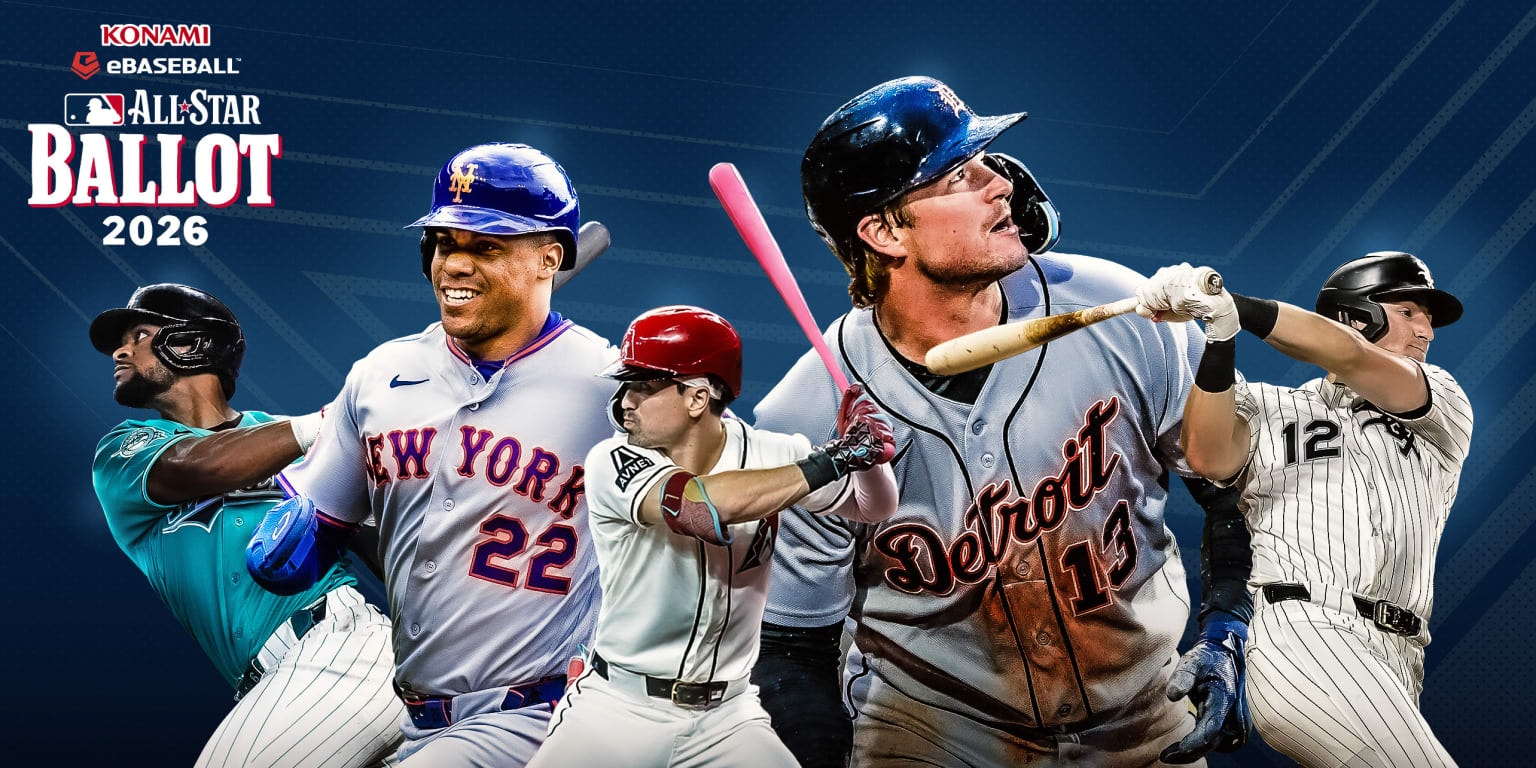
MLB’s All-Star balloting is built to give fans a direct hand in choosing the starting lineup, and the league’s latest reminder is that the process is more than a single popularity contest. In a June 18 piece, the league highlighted the structure of its two-phase fan vote and urged voters to give proper consideration to candidates they believe deserve more support, specifically pointing to “Goodman” as someone who could use additional votes to earn a starting role.
Under MLB’s format, the first fan-voting phase is intended to narrow the field toward the starters. MLB then shifts to a second phase that determines who ultimately lands in the starting lineup. MLB’s point is straightforward: because the ballot work occurs in stages, fans who only participate once, or who assume the early results will hold, can unintentionally disadvantage the players they support most.
MLB also framed the voting process as something that benefits from fan engagement rather than passive observation. The league’s message to voters was appreciative but not complacent. MLB described All-Star voters as having done “good work” again, then added a clear call for the next round of ballots, using Goodman as the example of a candidate that needs more backing to make the starting picture.
The practical effect of this format is that it rewards voters who track where the process stands and who are willing to return for the later stage. That matters because the second phase decides the starting lineup, which is the centerpiece of most fan attention around the All-Star Game. A candidate might be recognized during the early window, but still requires enough late-phase support to secure a starting spot in the final tally.
For the player in the discussion, Goodman’s candidacy represents more than personal recognition. Starters set the tone for the All-Star rosters, and being named a starter is the highest form of public voting acknowledgment. In MLB’s framing, the ballot structure gives fans influence not only over whether a player participates, but whether that player begins the game on the field, in the batter’s box, or on the mound depending on the team’s assigned role.
It is also worth keeping expectations measured. The league’s public balloting format determines fan-chosen starters, but it does not prevent other All-Star selections that are not tied to the fan vote for starters. In other words, the starting lineup is not the entire All-Star roster story. Still, because starters are what fans most commonly reference when talking about the game, the two-phase voting timeline can have outsized influence.
As the voting calendar progresses, the item to watch is whether fans rally again in the second phase for the candidates they want in the starting lineup. MLB has essentially outlined the mechanism behind that outcome: fans should treat All-Star voting as a multi-step commitment, not a one-time checkbox. Goodman is the name MLB chose to spotlight in that reminder, and voters who heed it may help determine what the final starter lineup looks like when the last ballots are counted.
Why It Matters
- Because starters are decided through the final phase of fan voting, late participation can directly change which players begin the All-Star Game.
- The two-step structure rewards fans who return for the second ballot rather than assuming early results are final.
- Being a starter is the most visible outcome of fan balloting, shaping how players are remembered in the All-Star conversation.
Key Facts
- MLB’s All-Star voting for starters uses a two-phase fan-voting process.
- The second fan-voting phase determines the starting lineup.
- MLB highlighted Goodman as a candidate who could benefit from additional support as the process moves to the next stage.
- MLB characterized voters as having done “good work,” while still urging continued participation in the balloting timeline.