
THE APEX TIMES
MLB floats shorter regular season proposal as next CBA talks loom, while Tigers’ Kevin McGonigle adds another Rookie honor
With collective bargaining negotiations continuing to shape the offseason conversation, MLB is again putting forward ideas aimed at changing the regular-season structure. In Detroit’s pipeline news, Kevin McGonigle has been recognized again as Baseball America’s overall Rookie of the Year.
MLB has returned to a familiar offseason flashpoint, putting forward another set of proposals that would alter the structure of the regular season, according to reporting tied to Detroit Tigers coverage on Oct. 9, 2026. The move is part of a broader, ongoing contest of ideas between MLB and the players’ union, with each side seeking leverage and building narratives ahead of the next round of collective bargaining discussions later this winter.
The latest proposal centers on shortening the regular season, a concept that has been debated in recent months as both sides look at player workload, competitive balance, and the sport’s calendar. Baseball fans have also been cast into the argument as the parties lobby for support before negotiations firm up into formal bargaining. The reception, as described in the report, has been tepid so far.
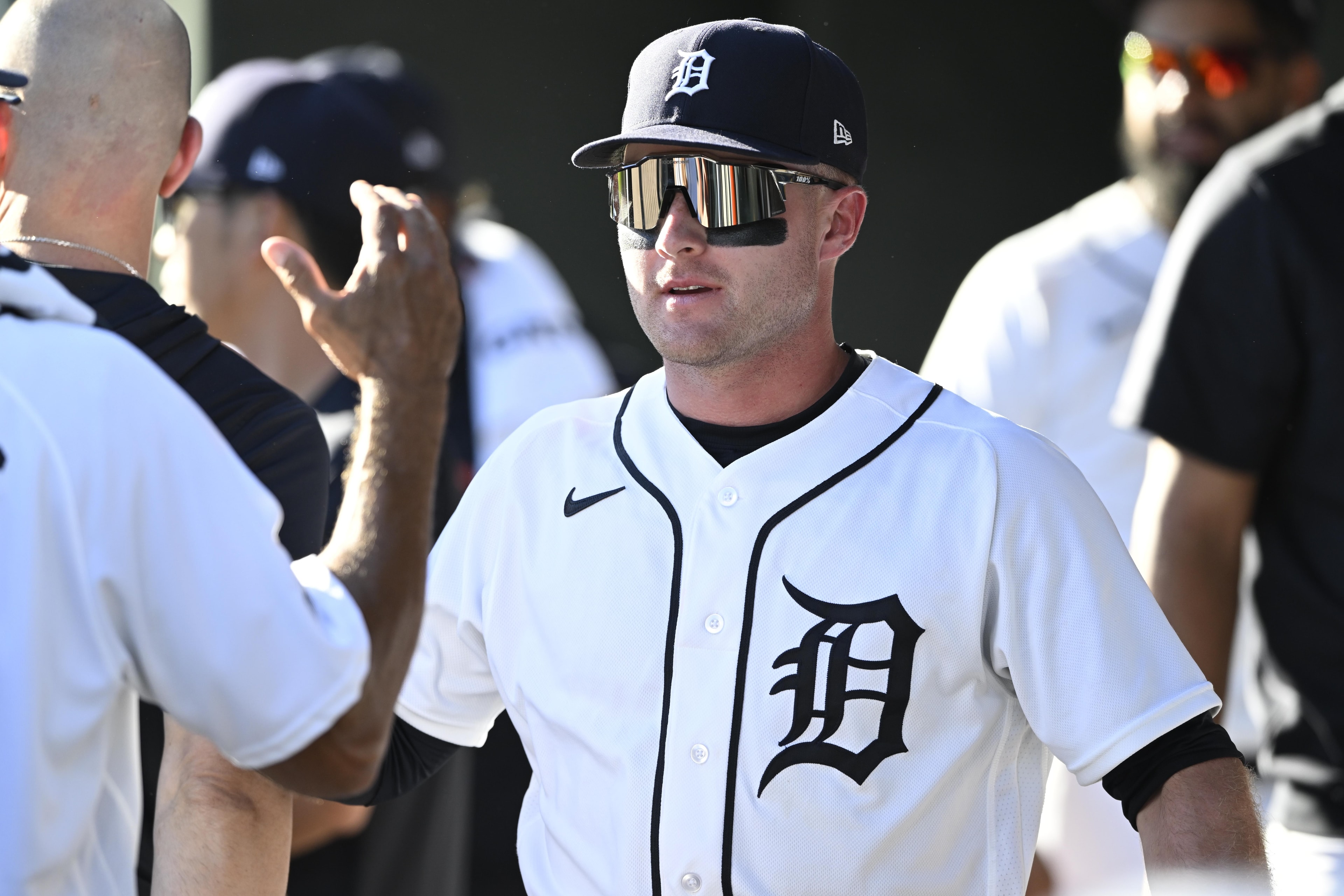
On the development side, the Tigers’ minor-league-to-big-league future got a vote of confidence from Baseball America. The publication named Kevin McGonigle as its overall Rookie of the Year, an additional accolade that further elevates his profile among the organization’s emerging talent. For a rebuilding club like Detroit, such recognition is often a sign that the player development pipeline is producing impact-caliber prospects at the right time, even when the major-league roster is still in flux.
The award adds to what has already been a notable stretch of attention for McGonigle, and it also tightens the feedback loop between performance in the system and how quickly those performances are translating into wider national recognition. In practice, these awards do not guarantee a promotion timeline, but they can influence how quickly organizations decide that a player’s skills are ready for the next step.
The offseason picture is now dominated by two threads at once. One is institutional, involving MLB and the players’ union debating calendar and competitive format changes that could affect everything from revenue planning to player availability. The other is talent-facing, where the organization’s prospects, such as McGonigle, continue to accumulate external validation that can shape internal planning for the next roster cycle.
What to watch next is whether MLB’s proposal on a shorter regular season gains traction beyond discussion, and how union leadership responds as negotiations draw closer. Separately, the Tigers will likely continue to evaluate how their award-winning prospects are progressing against the demands of higher-level competition, with McGonigle’s next assignments and performance serving as the clearest real-world test of the hype that awards often create.
Why It Matters
- A shorter regular season would affect how teams manage player workload, pitching usage, and roster construction across the full year.
- CBA talks can influence future rules around schedule, competitive incentives, and labor terms, with downstream impacts on teams’ planning cycles.
- Prospect awards such as Baseball America’s Rookie of the Year can accelerate attention and raise expectations for a player’s next development step.
- For Detroit, external recognition of a rising player helps clarify whether its farm system is producing at the level required to speed up rebuild timelines.
Sources
Key Facts
- MLB has put forward another proposal that would shorten the regular season, according to Oct. 9, 2026 reporting tied to Tigers coverage.
- The proposals are part of an ongoing back-and-forth between MLB and the players’ union as both sides position for the next collective bargaining negotiations.
- Baseball America named Kevin McGonigle its overall Rookie of the Year.
- The report describes the reception to MLB’s latest ideas as tepid.