
THE APEX TIMES
MLB lineup trends sharpen after the trade deadline as prospect call-ups and usage patterns become clearer
A weekly look at how recent roster activity is reshaping at-bats, fielding roles, and the player “next-up” pipeline being tracked for the 2027 season.
Ten days after MLB’s trade deadline, day-to-day lineup usage across the majors is settling into something more measurable. In the immediate aftermath of a hectic transaction period, teams often reshuffle roles quickly, and it can be difficult to tell which changes are durable and which are stopgaps. The latest weekly lineup report focuses on that transition point, arguing that the statistical and visual picture of how teams are deploying players has begun to come into focus again.
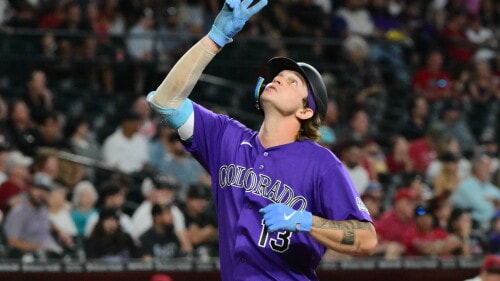
A central theme in the report is the ongoing arrival of prospects into major league lineups. The piece highlights another wave of promotions, including the specific arrival of Abimelec Ortiz, and frames those call-ups as more than routine roster management. For fantasy baseball and for general roster evaluation, promotions can quickly alter platoon splits, batting-order stability, and defensive responsibilities, even before a full season sample is available.
The report also ties lineup decisions to longer-horizon planning, pointing to “2027 eligibilities” as a key lens. That matters because many of the league’s decision-making paths, including which minor-league prospects get at-bats and which players are kept in reserve roles, feed into future roster construction. In other words, the lineup you see in August is often part of a multi-month, multi-season strategy, even when the moves are driven by present needs like depth, matchups, or development timing.
From a usage standpoint, the most relevant question tends to be whether newly promoted players are receiving sustained opportunities or merely filling gaps. Weekly lineup trend coverage typically tracks whether players remain in the same hitting tier, keep getting starts, or quickly drift toward more matchup-driven appearances. Those shifts can be felt immediately by opponents through game-planning, and they can reshape a team’s internal pecking order within a few weeks.
For fantasy baseball, the practical implication is that owners often need to update their assumptions after the deadline. A player’s value can spike or fade depending on whether the promotion turns into a regular role, whether the batting order stabilizes, and whether the player’s plate-appearance mix supports a predictable stat profile. Even without season-long confirmation, repeated inclusion in the starting lineup is a meaningful indicator of the coaching staff’s commitment.
One caveat is that weekly lineup reporting can lag real-time decisions. MLB clubs can adjust roles based on performance, health, and upcoming opponents, and it is not uncommon for usage to fluctuate between series. As a result, any “arrival” storyline still needs follow-through, particularly if the team is testing a prospect while also managing late-season roster flexibility.
What to watch next is whether the pattern described in the report holds through the final stretch of the regular season. If Ortiz and other promoted players continue to see consistent at-bats and defensive assignments, their arrival becomes less about a temporary promotion and more about a concrete roster picture heading into the next eligibility cycle. If roles tighten quickly, it suggests the promotions are serving primarily as short-term development and depth measures.
Bottom line: the report’s thesis is that the post-deadline churn is beginning to settle, and the major league lineup now offers clearer evidence of which promotions are sticking. That shift can help fans, analysts, and fantasy players better separate development assignments from emerging everyday roles, while keeping a watchful eye on how 2027 eligibility planning may be taking shape.
Why It Matters
- Lineup stability after the deadline affects how teams stack innings, plate appearances, and defensive assignments in the final months.
- Prospect call-ups can quickly change platoon balance and batting order roles, influencing both competitive matchups and fantasy usage.
- Planning tied to future eligibility windows makes late-season usage an early report of what roles teams may prioritize next.
- As roles become clearer, fans can evaluate whether promotions are turning into sustained everyday opportunities.
Sources
Key Facts
- The weekly lineup coverage is published on August 14, 2026.
- The report frames its analysis as beginning to “clarify” about 10 days after the MLB trade deadline.
- It emphasizes a continued wave of prospect promotions into major league lineups.
- The report specifically highlights the arrival of Abimelec Ortiz.
- It connects lineup trends to tracking “2027 eligibilities” for roster and development timelines.