
THE APEX TIMES
MLB Pipeline moves from the dirt and grass to the mound with a Top 10 ranking of pitching prospects
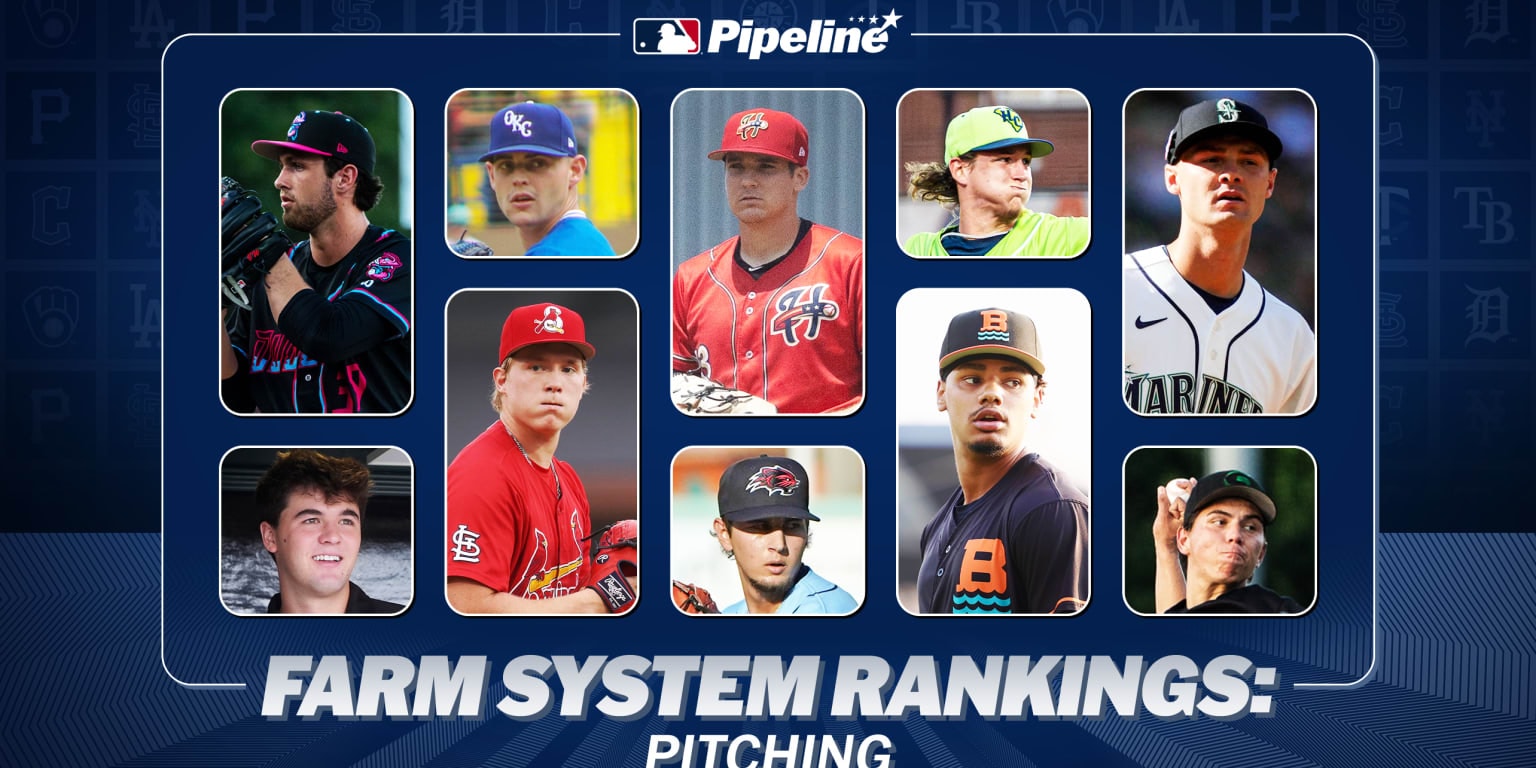
In the latest installment of its farm-system series, MLB Pipeline ranks the organizations with the best pitching prospect profiles and development depth, continuing a position-by-position look at how teams build for the future.
MLB Pipeline’s farm-system series continues with a pitching-focused installment that ranks the Top 10 organizations for pitching prospects. The release is the third in a sequence that began with position groups built around player development “on the dirt” and “on the grass,” and now shifts the spotlight to the hardest position to replace at the major league level: the mound.
The article frames its ranking as an evaluation of pitching prospect pipelines across organizations, rather than a snapshot of current big-league rotations. MLB Pipeline has previously used these position-based farm-system lists to highlight where clubs have the best mix of arms, roles, and trajectories within their minor-league systems, emphasizing both talent and the likelihood that those talents can be developed into controllable major-league assets.
Within that structure, pitching prospect strength is not just about having one highly regarded starter. The series approach is built on overall organizational depth, including the breadth of different arm types and how a system converts raw pitching ability into usable skill sets. For clubs, that matters because pitching is where injuries, performance variance, and role changes can hit hardest, and where a farm system’s ability to restock matters most over multiple seasons.
MLB Pipeline’s use of position-by-position tiers also indicates a broader way to understand the calendar for prospect evaluation. When a team’s infield and outfield prospect stock is strong, those assets can help provide near-term offensive stability. But when the pitching side is strong, it tends to influence longer-term competitiveness by shaping the major league staff’s floor, supporting bullpen flexibility, and increasing the odds that prospects graduate on schedule.
The release also comes with a “what’s next” implication for fans tracking prospect rankings. MLB Pipeline is not stopping at pitching. The series preview indicates the next installment will continue the same format for catchers, moving to the final position group in the sequence.
For now, the most practical takeaway is that the Top 10 pitching-prospect list is meant to be read as an organizational development report, not a team-by-team forecast of immediate 2026 big-league outcomes. Evaluations can differ across prospect models, and prospect growth rates are rarely linear, so the ranking should be treated as an early ordering of where baseball insiders see the strongest ability to produce pitching value.
The next step for readers who track these lists will be to compare the pitching ranking with the earlier installments in the same series. Done together, the position group-by-group approach can help show whether an organization’s system is built from the bottom up across the diamond, or whether one part of the roster pipeline is carrying more of the weight than the rest.
Why It Matters
- Pitching prospect depth is one of the highest-impact indicators for how organizations sustain competitiveness, because bullpens and rotations are more volatile and harder to replace internally.
- A pitching-first ranking helps clarify which systems are best positioned to graduate arms into major league roles across multiple seasons, not just to supply one-time call-ups.
- Comparing the pitching list with previous infield and outfield rankings can reveal whether an organization’s farm system is balanced or concentrated in certain positions.
- The series format also shapes how fans monitor prospect workflows, culminating in a catchers ranking that completes the position-by-position view.
Key Facts
- MLB Pipeline released a new installment in its position-by-position farm-system series focused on pitching prospects.
- The story ranks the Top 10 organizations based on pitching prospect evaluations, continuing earlier position groups in the same sequence.
- The release is presented as the third installment in the series, with catchers identified as the next position group to be covered.
- The MLB Pipeline series uses a developmental framing of farm systems by position rather than a single-team rotation snapshot.