
THE APEX TIMES
MLB Pipeline refresh spotlights top shortstops and position groups across the Top 100 prospect lists
MLB’s prospect authority updated its board for the 2026 season, blending the leaguewide Top 100 with positional Top 10s and team-specific Top 30 rankings for each organization.
MLB Pipeline has rolled out a refreshed set of prospect lists for the 2026 season, with the leaguewide Top 100 still serving as the headline act for fans. Beyond the overall rankings, MLB Pipeline also publishes smaller, role-focused groupings, including positional Top 10s and the organization-specific Top 30 lists that allow each club’s player development pipeline to be followed more closely. The change matters because prospect evaluation is both a long-view narrative and an operational tool for teams and their minor-league affiliates. When MLB Pipeline updates its board, it tends to reshape public expectations about who is closest to moving through each level and which skills are being emphasized in the next wave of club talent. For organizations with deeper systems, those updates also create a clearer picture of where depth exists and where the club’s rebuild or roster planning may eventually hinge.
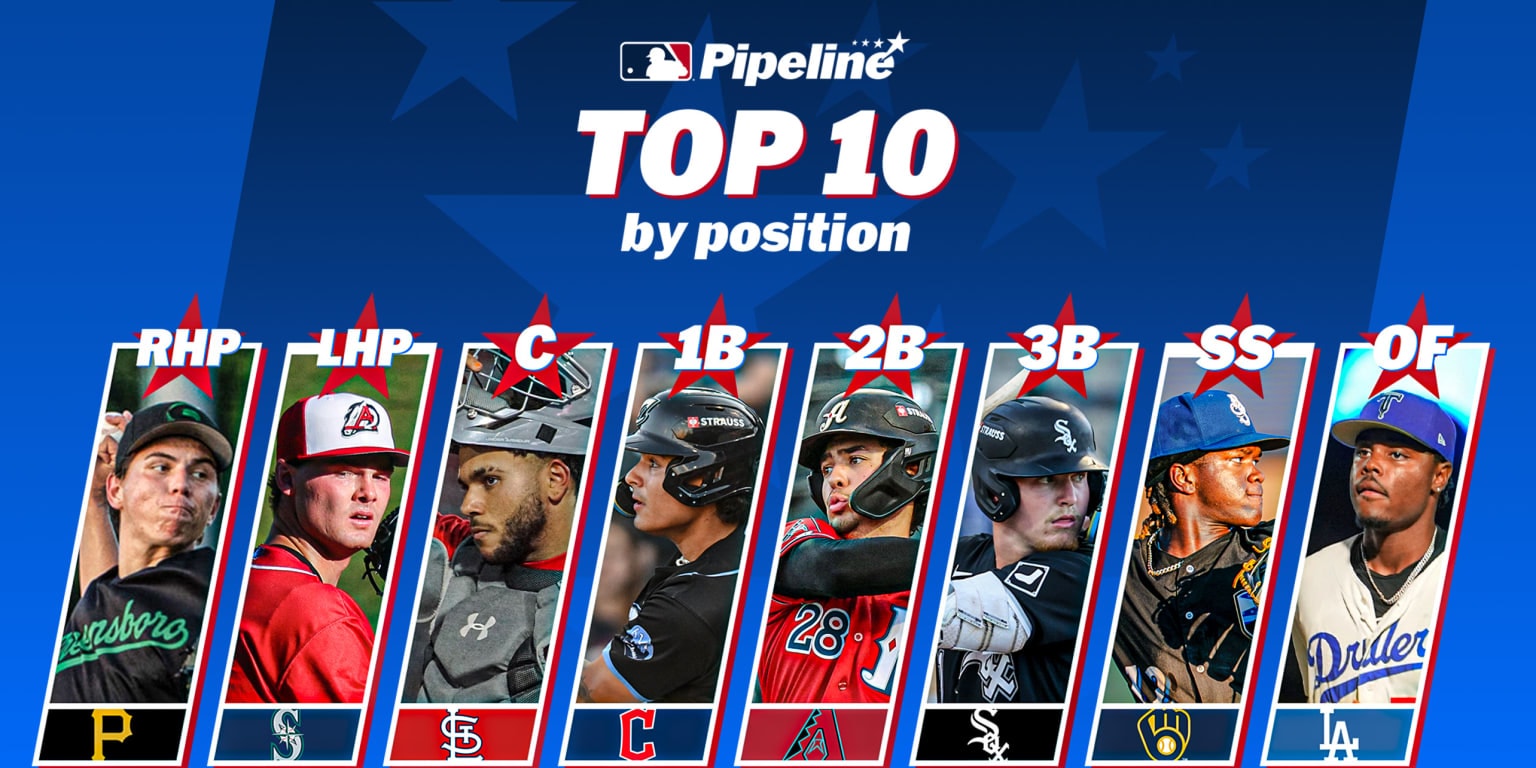
A central theme of the refresh is positional emphasis, and in this iteration the shortstop crop is highlighted as a “top talent” group among infield prospects. MLB Pipeline organizes the rankings by defensive role, compiling a positional Top 10 that focuses on which prospects grade out as the best bets at each position. Alongside shortstops, the release also compiles similar position sets for catchers, first basemen, second basemen, and third basemen, giving followers a consistent framework to compare prospects across roles. For fans, those lists are often more than a leaderboard. Positional rankings can influence how people interpret organizational strategy, particularly for teams that have strong organizational identity tied to infield development. A high-end shortstop class, for example, can report a longer runway for the club’s internal plan, even if the immediate major-league need is elsewhere. It also provides context for how often teams are willing to trade or reallocate resources while waiting for a specific defensive skill set to fully mature.
MLB Pipeline also notes that fans tend to concentrate on the overall Top 100, but that interest often spreads to each club’s system rankings. The release reiterates that supporters regularly flock to their organization’s Top 30 list, which is designed to show the breadth of a team’s farm system rather than just the single highest ceiling outcome. That organizational layer is significant because it tends to reflect not only top-end talent, but also how many prospects a club expects to contribute over multiple seasons.
For the Milwaukee Brewers specifically, MLB Pipeline’s team-matched presentation is geared toward letting supporters track progress through the organization rather than viewing prospects only as leaguewide objects. In practice, those organizational lists function like a roster map for the future, helping separate prospects with similar upside into different stages of development and different degrees of internal readiness.
What to watch next is how the updated positional context aligns with where players actually land in the minor leagues as the 2026 season moves deeper. MLB Pipeline’s shortstop and other position rankings set a baseline for discussion, but player development is dynamic. Performance trends, health, and tactical adjustments can quickly reorder prospects even if the list itself is stable for the week or month it is released.
Until further updates arrive, the most reliable takeaway is structural rather than individual: MLB Pipeline is leaning into a multi-layered prospect dashboard, pairing the Top 100 with role-based Top 10s and each team’s Top 30s, with the refreshed shortstop group positioned as one of the most closely watched parts of the board.
Why It Matters
- Position-specific prospect rankings help fans and industry observers compare like-for-like skill sets across the league, especially for premium defensive roles such as shortstop.
- Organizational Top 30 lists broaden the focus beyond the single highest-upside prospect, offering a fuller view of a club’s depth and internal timeline.
- These updates often shape how player development storylines are discussed during the season, even as on-field performance can reorder perception quickly.
- For teams managing rebuilds or contention windows, a strong position group can influence how quickly they pursue outside help versus waiting for internal talent to mature.
Key Facts
- MLB Pipeline released refreshed prospect lists for the 2026 season.
- The update includes an overall leaguewide Top 100 that draws the most attention from fans.
- MLB Pipeline also publishes positional Top 10s, including a shortstop group, along with catchers and first through third basemen.
- The release reiterates that each organization’s Top 30 prospect list is a frequent stop for team-specific followership.
- The Brewers are part of the organization-matched presentation in the release tied to MLB Pipeline’s team system rankings.