
THE APEX TIMES
MLB Pipeline revamps its prospect lists, with Anderson leading the left-handed pitcher rankings
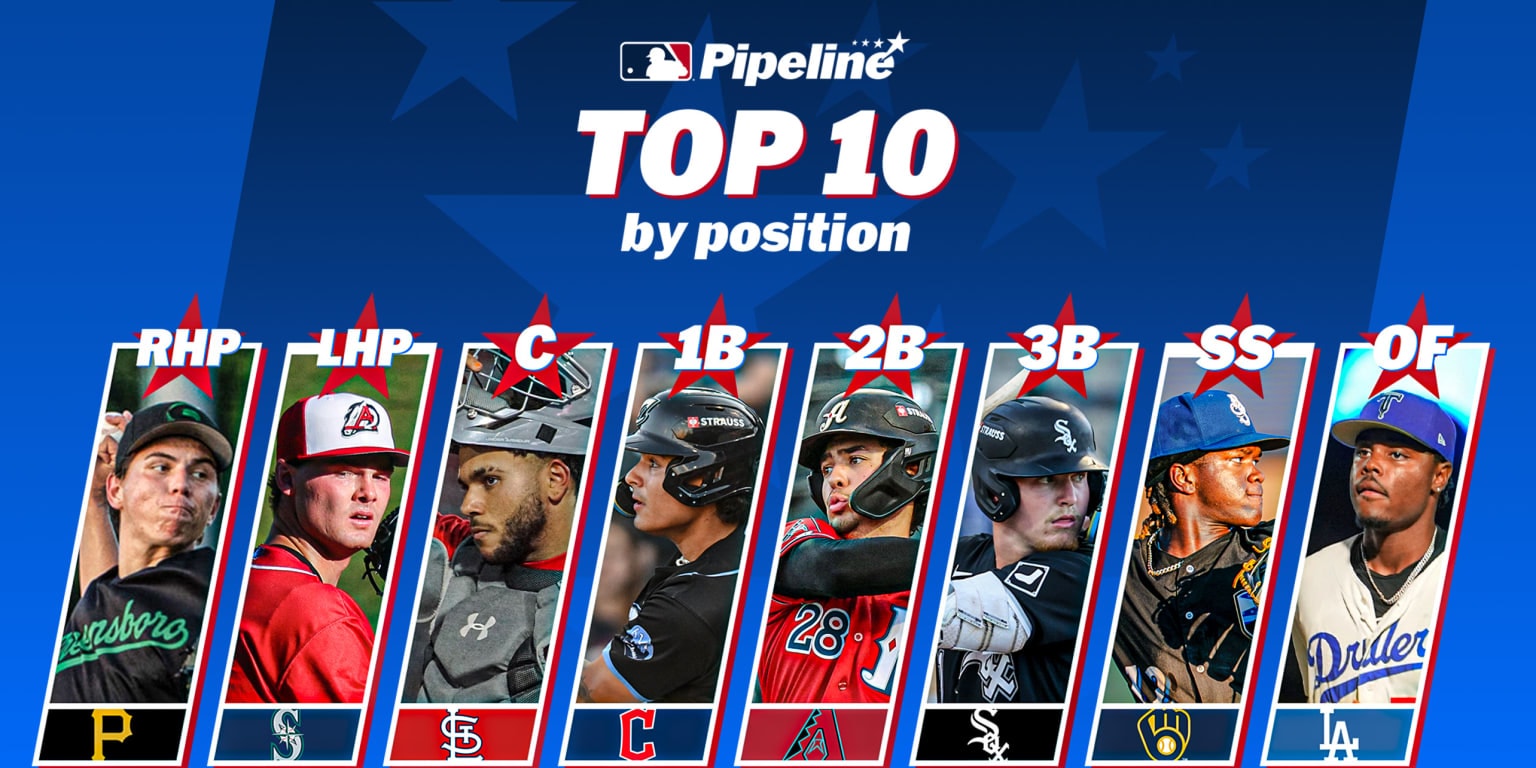
The latest MLB Pipeline update refreshed the Top 100 and positional Top 10s, spotlighting the top left-handed pitching talent in the system-wide view.
MLB Pipeline rolled out a refreshed set of prospect rankings that re-centers attention on its top-tier evaluation lists. The centerpiece remains the overall Top 100, but the update also renews the positional Top 10s that often matter most to fans tracking specific roles. This time, the left-handed pitcher category has a new top name, with Anderson placed first among LHP prospects.
The way MLB Pipeline structures its prospect information keeps the lists both broad and granular. The overall Top 100 is designed to answer the question of who the organization-wide front-runners are, while the positional rankings break the talent down by role so teams, scouts, and supporters can focus on what each prospect could become on the field. MLB Pipeline also emphasizes that it revamps all of its prospect lists, rather than treating the positional rankings as secondary add-ons.
The top billing for left-handed pitchers is a meaningful category in baseball development. Lefty starters and bullpen arms can affect matchups in ways that go beyond simple handedness, and organizations often prioritize the organizational depth of left-handed pitching as they build toward the major league roster. In that context, Anderson’s placement at the top of the LHP list indicates where MLB Pipeline sees the most advanced upside among left-handed arms as of this update.
For teams following the near-term horizon of their farm systems, positional Top 10s can provide a faster read on how close prospects are to impacting a major league club at a given spot. Catchers, infielders, and outfield profiles matter, but pitchers can define a franchise’s day-to-day competitiveness. MLB Pipeline’s positional approach highlights that the evaluation is not only about “best player available,” but also about the best fits for specific needs and timelines.
The timing of the update matters, too. MLB Pipeline framed the revamp as part of its season-long organization of prospect information, and fans typically use these lists to track movement in perceived ceilings, command development, and overall projection. While prospect rankings are not promises, they often become a roadmap for what organizations are emphasizing in their player development processes.
At the same time, it is important to treat rankings as a snapshot. Prospect evaluations change with live performance, health, and adjustments to approach. Even when a prospect leads a category, MLB Pipeline’s broader Top 100 context still positions that player relative to other top talents across the system, including players in other positions who may have progressed or been re-rated.
For readers trying to interpret what this means for the Mariners and their followers of MLB Pipeline coverage, the broader takeaway is how MLB Pipeline continues to calibrate the organization’s ranked view of baseball’s incoming talent. The next watch point is whether the positional leaders remain stable in subsequent updates, and how teams translate that projected value into development milestones and roster preparation decisions.
Ultimately, Anderson topping MLB Pipeline’s left-handed pitcher rankings sets the tone for how the category will be talked about across the baseball offseason and into the next stages of prospect evaluation. As new reports and performance indicators emerge, this list will serve as a reference point for comparing the next wave of lefty pitching prospects against the leader.
The update’s value is less about immediate results and more about clarity: where MLB Pipeline sees premium potential by role. In a sport that balances player development with roster construction, positional rankings can be the difference between a long-term plan that is merely active and one that is precisely targeted.
Why It Matters
- A leading left-handed pitcher in MLB Pipeline’s rankings can influence how teams assess upside at a premium role.
- Positional Top 10s help teams and fans gauge depth and fit by need, not just overall talent.
- The Top 100 plus positional lists provides a clearer hierarchy of prospects across roles as evaluation resets.
- Rankings are a reference point for development and roster-planning conversations, but they can shift as new performance and health information emerges.
Key Facts
- MLB Pipeline released a revamped set of prospect rankings that includes both an overall Top 100 and positional Top 10s.
- The latest update lists Anderson as the top prospect among left-handed pitchers.
- MLB Pipeline stated that it revamped all of its prospect lists, not only a single category.
- The update also covers positional rankings across multiple infield and catching roles, alongside pitching categories.
- MLB Pipeline’s prospect framework is designed to show both organization-wide leaders (Top 100) and top talent by specific on-field roles (positional Top 10s).