
THE APEX TIMES
MLB Pipeline revises its 2026 positional prospect lists, with Crisantes No. 1 at second base
A newly refreshed round of MLB Pipeline prospect rankings spotlights the game’s next generation by position, and the updated board at second base elevates Crisantes to the top spot.
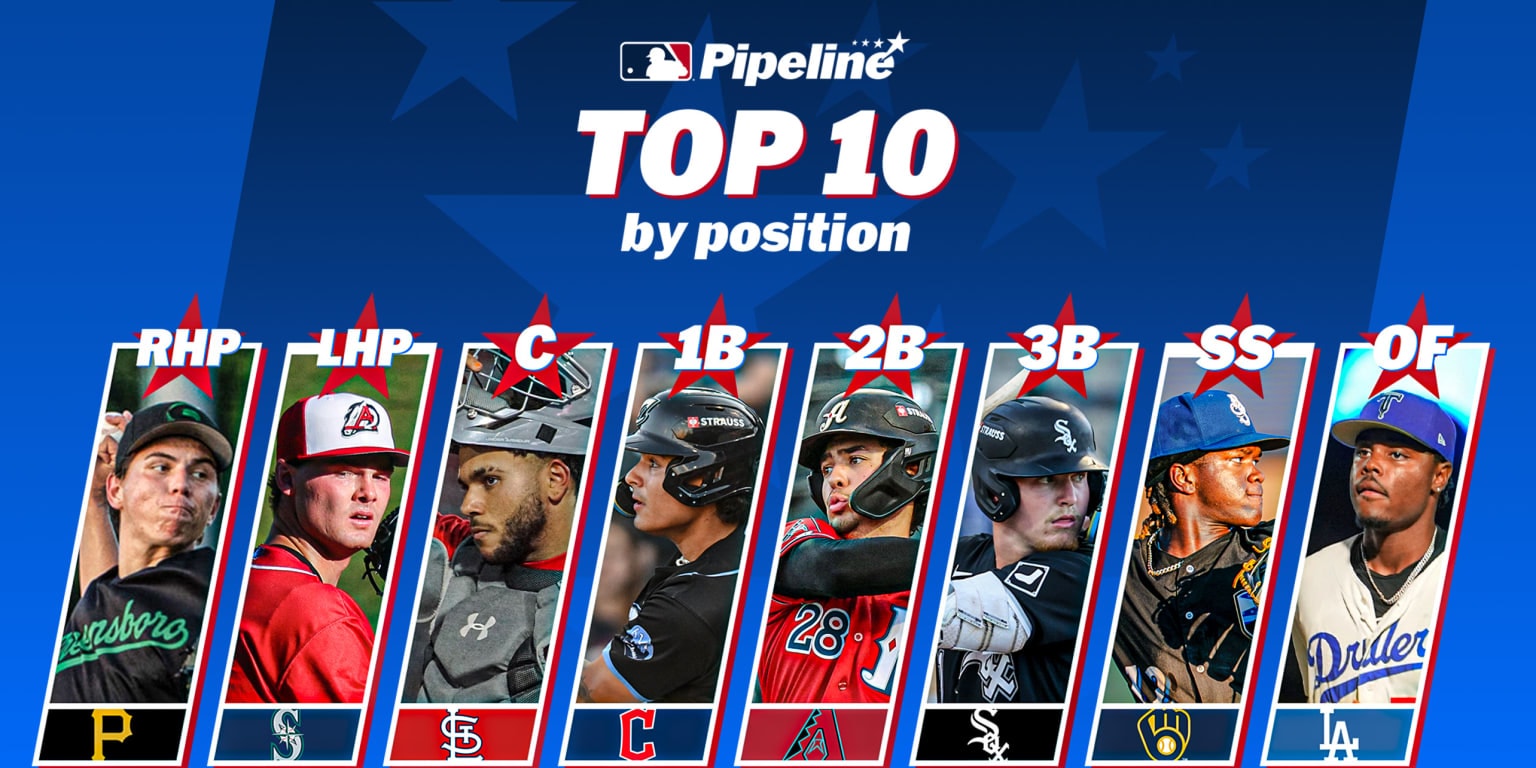
MLB Pipeline has revamped its prospect lists for the 2026 season, and while the organization’s overall Top 100 continues to pull the widest audience, the new edition also doubles down on positional evaluations. In a release built around position-by-position rankings, MLB Pipeline updates the top prospects among several infield and defensive roles, including a dedicated second-base list.
Within that second-base group, Crisantes is ranked as the top prospect. The ranking matters less as a one-day snapshot and more as a roadmap of where each organization sees its future in the middle infield picture, and what players are drawing the most sustained attention from evaluators.
MLB Pipeline’s approach, as described in the publication, is layered. The overall Top 100 is designed for league-wide comparison, team fans get to follow their club’s Top 30 prospect set, and then there are positional Top 10 rankings that isolate talent at specific spots. That structure is meant to answer two common questions at once: who is best overall, and who is best for a particular role when teams think about lineup construction and defensive fit.
The second-base ranking is particularly prominent because it sits at the intersection of athleticism and everyday value. Clubs typically look for players who can handle range, stick to the footwork demands of the position, and contribute offensively enough that the defensive role does not become a long-term drag. A No. 1 prospect at second base therefore becomes a shorthand for both profile and timeline.
Crisantes’ placement at the top also reflects how prospect attention often concentrates quickly around up-the-middle roles. When an organization’s future second baseman is clearly identified in the public-facing rankings, that prospect becomes a focal point for both internal development plans and external expectations from fans who track progression through the minor leagues.
It is also worth remembering that rankings are dynamic. Prospect boards are recalibrated when new performance data becomes available, and MLB Pipeline’s stated concept of “revamped” lists underscores that the next edition could reorder players as the season unfolds.
For fans and front offices alike, the immediate takeaway is straightforward: Crisantes is the second-base standard-bearer in MLB Pipeline’s updated positional hierarchy, with other spots across the diamond also receiving their own top-10 treatment as the 2026 evaluations settle in.
The practical question now becomes how the season will test that ranking. Developers, scouts, and player development staffs will continue to refine skills, but the public numbers provide a clear benchmark. The next watch items are the continued climb through the minors for top-ranked middle-infield prospects and how well their performances match the role-specific expectations embedded in these lists.
Why It Matters
- A No. 1 positional ranking creates a public benchmark for how an organization views its future at one of baseball’s most demanding infield spots.
- Second base rankings can shape how fans track a prospect’s developmental timeline and what skills are expected to translate.
- Positional Top 10 lists help clarify role fit, not just raw prospect value, which is useful when clubs plan for both defense and run production.
- By refreshing the lists, MLB Pipeline reinforces that prospect evaluations are treated as an ongoing process rather than a fixed preseason ranking.
Sources
Key Facts
- MLB Pipeline revamped its prospect lists for the 2026 season.
- The release highlights an overall Top 100, team-specific Top 30 lists, and positional Top 10 rankings.
- Crisantes is ranked as the No. 1 prospect at second base in MLB Pipeline’s updated positional rankings.
- The publication organizes positional rankings for multiple roles beyond second base.
- The story is based on MLB Pipeline’s prospect board for 2026 and is presented on MLB’s site for the Arizona Diamondbacks news channel context.